info_tatva, Author at Tatvatech Digital Private Limited - Page 5 of 6 info_tatva, Author at Tatvatech Digital Private Limited - Page 5 of 6

Custom ERP Development Services: How Can Tailored ERP Solutions Boost Efficiency Across Industries?
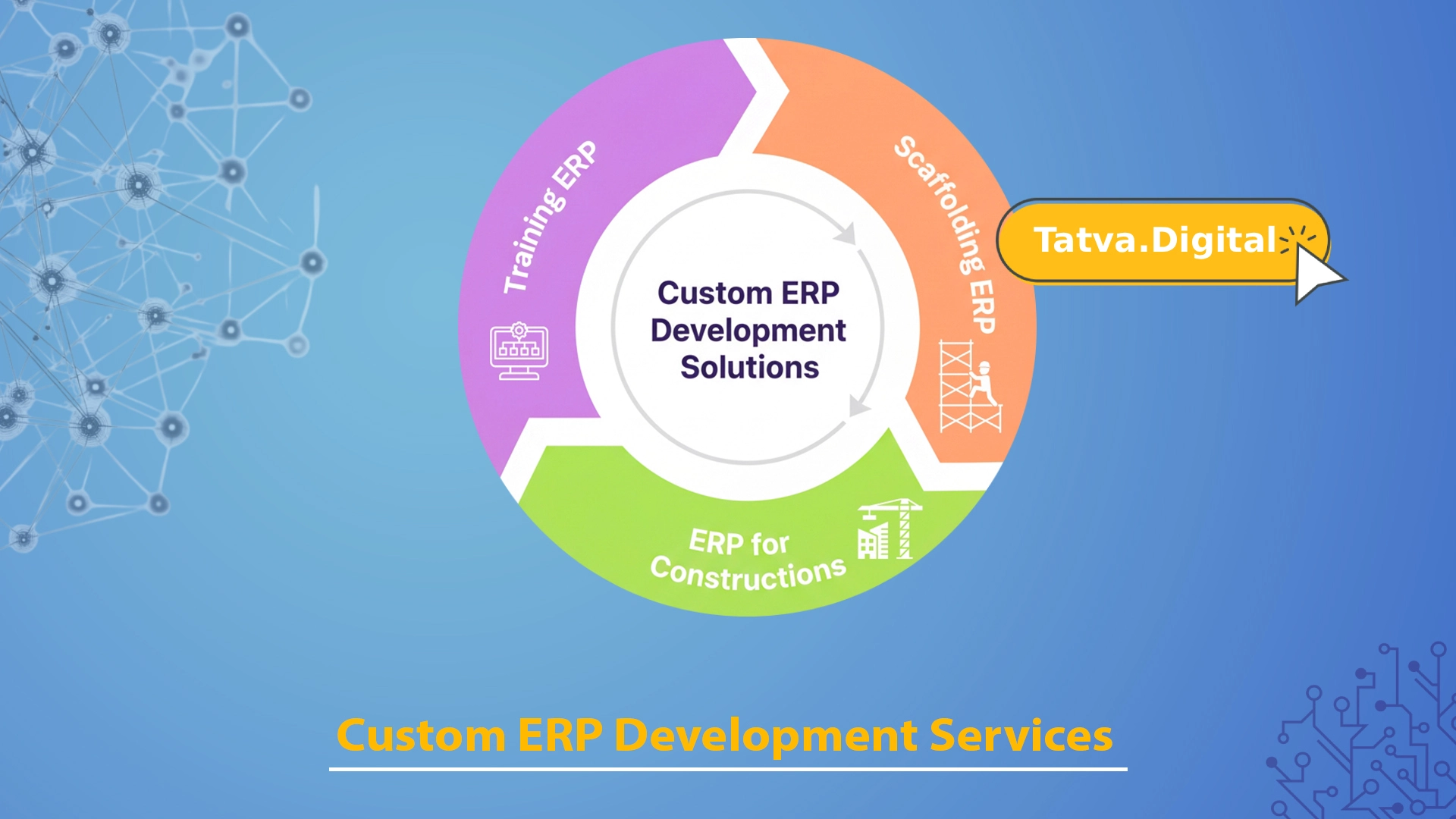
Custom ERP Development Services

Introduction Custom ERP solutions are transforming how organizations operate in today’s data-driven business landscape. Companies are under constant pressure to improve efficiency and streamline operations. So, how can modern businesses stay competitive while managing complex workflows? The answer lies in custom ERP development services—scalable software solutions that integrate finance, HR, operations, inventory, and customer data into one platform. At Tatvatech Digital, we specialize in designing custom ERP solutions that empower businesses across industries—construction, manufacturing, scaffolding, and training—to automate tasks, enhance collaboration, and make faster, data-based decisions. What Is Custom ERP Development, and Why Does It Matter? What Exactly Is a Custom ERP System? A custom ERP (Enterprise Resource Planning) system is a business management platform tailored to your company’s unique processes. It connects every department—from accounting and HR to supply chain and customer management—into a unified digital hub. Unlike pre-built tools, custom ERP software adapts to your organization, ensuring every feature supports real-world workflows. Key advantages include: Personalized modules that match your operations Scalable architecture that grows with your business Seamless integrations with existing tools Enhanced data security and ownership By aligning technology with processes, Tatvatech Digital ensures your ERP becomes the operational backbone of your business. Why Do Businesses Choose Custom ERP Over Pre-Built Solutions? Prepackaged ERP systems often include unnecessary features or lack crucial industry-specific tools. Custom ERP development solves that by building exactly what your business needs. Top reasons companies choose custom ERP: Process automation and time savings Improved team collaboration Real-time analytics for decision-making Long-term cost efficiency compared to licensing models Businesses partnering with Tatvatech Digital benefit from tailor-made ERP platforms that eliminate redundancy, increase productivity, and scale seamlessly. How Are Custom ERP Solutions Transforming Construction, Scaffolding, and Training Industries?  How Does ERP Streamline Construction and Manufacturing? In sectors like construction and manufacturing, efficiency determines profitability. A custom ERP solution unifies project planning, inventory management, and supply chain tracking to improve accuracy and reduce downtime. Core benefits include: Project management dashboards with real-time visibility Automated inventory control and resource allocation Predictive maintenance to avoid delays Centralized cost tracking and compliance management With Tatvatech Digital’s ERP expertise, construction and manufacturing companies gain full control over operations—delivering projects faster and improving overall ROI.  How Can Scaffolding ERP Improve Project Accuracy and Safety? Scaffolding businesses manage numerous moving parts—equipment, labour, and safety standards. A Scaffolding ERP system brings everything together under one intelligent platform. Key features: Live inventory tracking for scaffolding materials and rentals Automated billing, quotations, and reports Workforce and safety compliance monitoring Project scheduling for setup and dismantling activities By offering real-time visibility, Scaffolding ERP helps avoid equipment losses, ensures regulatory compliance, and increases project accuracy. Tatvatech Digital develops dedicated scaffolding management modules to help companies maintain transparency, cut costs, and improve site safety.  How Does Training ERP Enhance Educational and Skill Management? Training institutes and learning centres require strong organization to manage students, trainers, and resources efficiently. A Training ERP system automates administrative processes and provides insight into academic performance. Core benefits: Centralized student and trainer management Automated attendance and performance tracking Streamlined course scheduling and payment workflows Integration with LMS and e-learning platforms With Tatvatech Digital Training ERP, institutions can monitor operations in real time, enhance learner engagement, and focus more on teaching quality rather than paperwork. How Can Businesses Successfully Implement a Custom ERP System? What Are the Key Stages of ERP Development? A successful ERP rollout follows a structured roadmap: Requirement analysis—Understanding your goals and challenges System design—Creating a modular and scalable framework Development and integration—coding, testing, and connecting modules Implementation and training—Deploying the system and onboarding users Maintenance and support—Ensuring long-term performance and upgrades Tatvatech Digital follows agile methodology to deliver ERP systems that adapt quickly to changing business needs.  How Do You Choose the Right ERP Development Partner? The right technology partner determines your ERP’s long-term success. When choosing an ERP developer, consider: Industry expertise (Construction, Scaffolding, Training) Proven experience in cloud ERP and mobile-ready solutions Post-launch support and maintenance reliability Transparent and flexible pricing models With Tatvatech Digital, clients gain a trusted partner offering end-to-end ERP development—from concept to support.  What Does the Future Hold for ERP Solutions? ERP systems are evolving with AI, IoT, and cloud computing, transforming how businesses analyze data and make predictions. Emerging ERP trends: AI-based forecasting for demand and inventory Mobile ERP apps for real-time access anywhere Cloud ERP solutions reducing infrastructure costs Sustainability analytics to monitor carbon and resource usage Tatvatech Digital helps enterprises embrace these innovations to stay future-ready and competitive. Frequently Asked Questions (FAQs) 1. What makes custom ERP development better than pre-built software? A custom ERP is built for your processes, ensuring flexibility, accuracy, and improved efficiency—unlike rigid off-the-shelf systems. 2. How long does ERP development take? Most custom ERP projects take 3–9 months, depending on features, integrations, and complexity. 3. Which industries benefit most from ERP systems? Construction, manufacturing, scaffolding, training, retail, healthcare, and real estate see major gains in productivity and transparency. 4. Can Scaffolding ERP and Training ERP integrate with other tools? Yes, both systems integrate with CRM, HR, accounting, and data analytics platforms, enabling seamless workflows. 5. Is cloud ERP better than on-premise ERP? Cloud ERP offers scalability and remote access, while on-premise ERP provides greater control over data. The right choice depends on your infrastructure and security needs. 6. How much does a custom ERP cost? Pricing varies by size and scope, but most businesses invest $20,000–$100,000 for a scalable, long-term ERP solution developed by Tatvatech Digital. Conclusion: Is Custom ERP the Future of Business Efficiency? Absolutely. From construction and manufacturing to scaffolding and training, custom ERP development services from Tatvatech Digital help organizations simplify operations, reduce manual work, and achieve digital excellence. As industries embrace automation, adopting a custom ERP system is no longer optional—it’s a strategic move that ensures your business remains efficient, data-driven, and ready for the future. About us: Business Name – Tatvatech digital private Limited Tatva Tech Digital Private Limited is an emerging eCommerce platform offering a wide range of products, … Read more
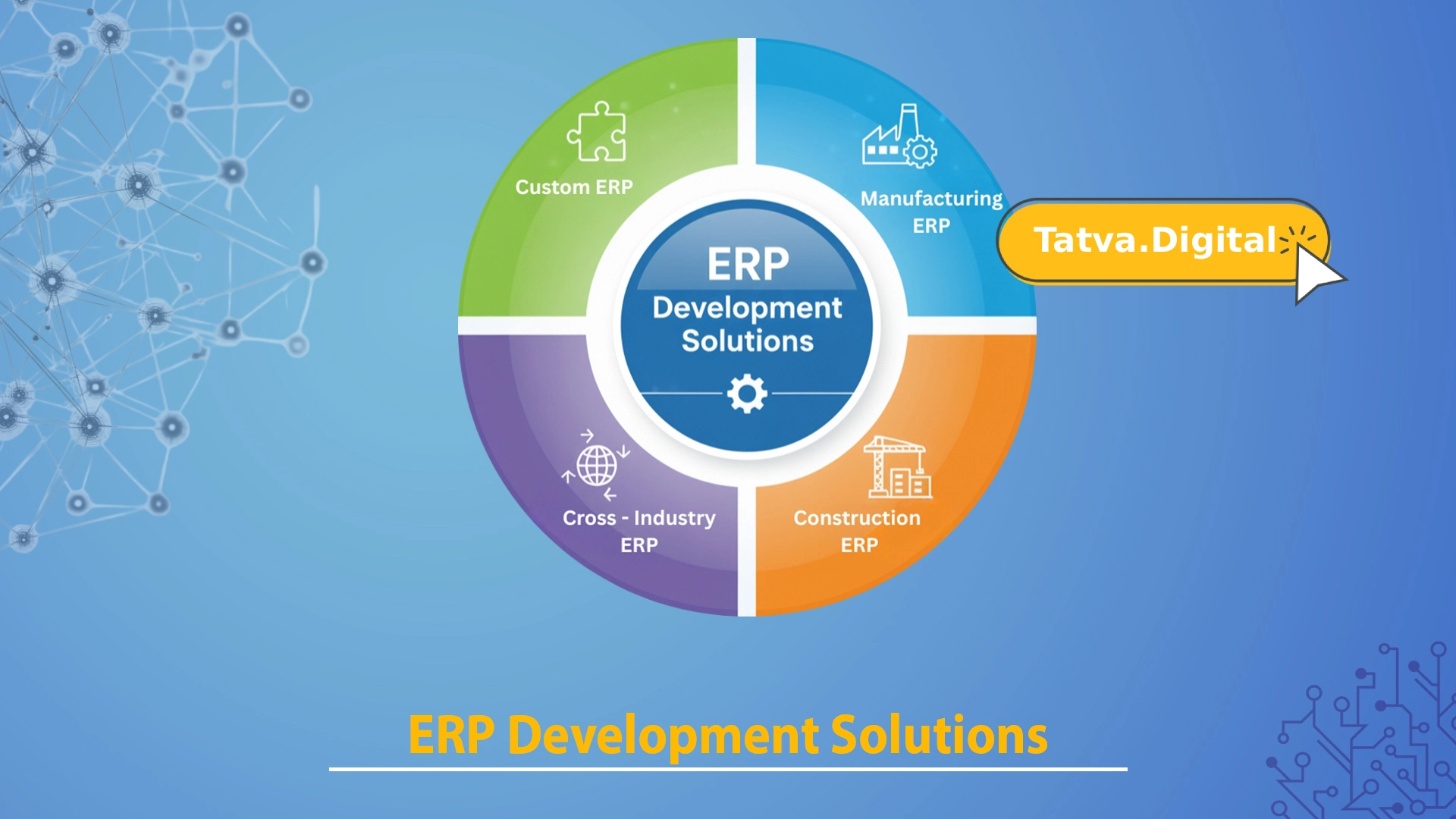
Top ERP Development Solutions Transforming Businesses: From Construction to Manufacturing

ERP Development Solution

In today’s digital world, industries ranging from construction to manufacturing are revamping the way they operate, manage data, and scale up. What earlier used to be done via disparate spreadsheets and incongruous legacy systems has now been brought onto a single platform thanks to intelligent ERP development solutions that offer real-time visibility, automation, and scalability. We at Tatvatech Digital have witnessed how customised ERP systems have turned into the backbone for smart enterprises. These platforms enable an organisation to streamline workflows, improve cost efficiency, and drive faster, data-driven decisions while being flexible enough to adjust to future demands. ERP Development Solutions: The Core of Modern Digital Transformation Gone are the days of ‘one size fits all’ when it comes to enterprise software. Today’s development of ERP solutions is tailored, cloud-ready, and AI-powered, enabling seamless collaboration across departments, suppliers, and customers. The modern ERP ecosystem is built upon four core pillars: Integration means having one source of truth that ties departments such as finance, HR, operations, and procurement together to ensure everyone is working from the same data. Automation: Streamlined workflows reduce manual tasks, minimise the possibility of errors, and ensure higher efficiency. Scalability: Modular architectures make it easy to add new features or integrate emerging technologies. Intelligence: Includes built-in analytics and machine learning for actionable insights in better decision-making. Tatvatech Digital develops ERP systems with these principles in mind: deep domain expertise combined with next-generation technologies to help clients achieve operational excellence. Why Construction Companies Are Choosing Custom ERP Development Services for Building & Site Management Of all industries, construction is one of the most dynamic and complex to manage. Projects involve multiple contractors, fluctuating budgets, and strict timelines; therefore, visibility and coordination are key. That is why forward-looking construction companies are embracing custom ERP development for construction management in order to bring order and control into every project. 1. Real-Time Project Monitoring In custom ERP systems, the managers can track project progress, budgets, and workforce deployment through real-time dashboards. From procurement of materials to on-site safety, everything is noted down and can be found on a single platform. 2. Centralized Resource Management Through advanced scheduling and IoT integrations, ERP solutions optimise equipment usage and deployment of work. This minimises downtime and ensures effective usage of every resource on multiple job sites. 3. Financial Oversight and Compliance Construction ERP software provides businesses with detailed insight into project budgets, purchase orders, invoices, and compliance needs. This automates approval workflows to eliminate manual bottlenecks and ensure timely payments with cost transparency. 4. Enhanced Collaboration ERP systems integrate tools of communication and document management capabilities that enable contractors, engineers, and clients to share information with ease. Everybody is informed, hence reducing the probability of delays and miscommunication. 5. Cloud and Mobile Access For site managers, mobility is paramount. Cloud-enabled ERP platforms offer this capability, letting on-site staff update project data, upload images, or track materials in real time. Instant access increases accountability and accelerates the speed of decision-making. Tatvatech Digital designs and develops ERP systems specifically for construction companies to ensure seamless project execution, accurate budgeting, and better client satisfaction. Manufacturing ERP Solutions: How Custom ERP Development Optimizes Production & Inventory Manufacturing is all about precision, timing, and efficiency. In such an environment, manual coordination between departments can result in bottlenecks and delays in production. That’s why manufacturers are increasingly investing in manufacturing ERP solutions with custom development to gain complete control over production, supply chains, and inventory. 1. Intelligent Production Scheduling AI-powered ERP systems analyse demand patterns, production capacity, and resource availability to create optimised manufacturing schedules. This reduces idle time and keeps the production line moving efficiently. 2. Real-Time Inventory Control Custom ERP solutions bring inventory tracking together with the production information to automate reorder alerts, give visibility to stock, and coordinate with vendors. This minimises waste and prevents production stoppages due to material shortages. 3. Quality Control and Traceability From raw materials to finished goods, modern ERP systems record every step of production. Accordingly, manufacturers can track defects, monitor quality benchmarks, and ensure compliance with regulatory standards. 4. End-to-End Supply Chain Integration Custom ERP modules allow manufacturers to integrate suppliers, logistics partners, and distributors. It means a transparent supply chain that’s traceable in real time for better planning. 5. Energy Efficiency and Sustainability Sustainability is no longer optional. ERP platforms track energy usage and waste output, enabling manufacturers to reduce their environmental impact while sustaining profitability. Utilising Tatvatech Digital manufacturing ERP development experience, the companies can achieve leaner operations, high productivity, and smarter decisions using technology. Cross-Industry ERP Trends Shaping the Future The ERP technology is ever-changing, always upgrading according to changing market needs and technological advancements. The most major ERP development trends transforming businesses today will include: AI & Predictive Analytics: Converting data into foresight by identifying trends and predicting potential risks. Cloud ERP Adoption: Enabling remote access, scalability, and reduced infrastructure costs. IoT Integration: Capturing data directly from machines, sensors, and devices for real-time monitoring. Low-Code Customisation: This allows for faster deployment and easier updates without heavy coding. Data Security by Design: Protect sensitive information by encrypting it and using compliance frameworks. These innovations are setting the stage for future-ready ERP systems that grow with your business—not against it. Why Choose Tatvatech Digital for ERP Development Solutions Choosing the right ERP partner will make the difference between a system that merely manages the operations and one that drives real transformation. Tatvatech Digital provides end-to-end ERP development services customised to your industry, workflow, and strategic goals for long-term growth. We combine strategic consulting with hands-on technology expertise to provide flexible, scalable, and future-proof systems that meet your needs. Whether it’s a custom ERP for construction management, manufacturing automation, or a multi-vertical ERP integration, our experts design platforms that perfectly align with your business objectives. At Tatvatech Digital, we believe ERP development is not about software; it’s about creating intelligent business ecosystems to help you grow sustainably. Conclusion From construction sites to manufacturing floors, ERP systems are changing the way companies do business. … Read more

How Can Professional Hardware Services Transform Your Business?

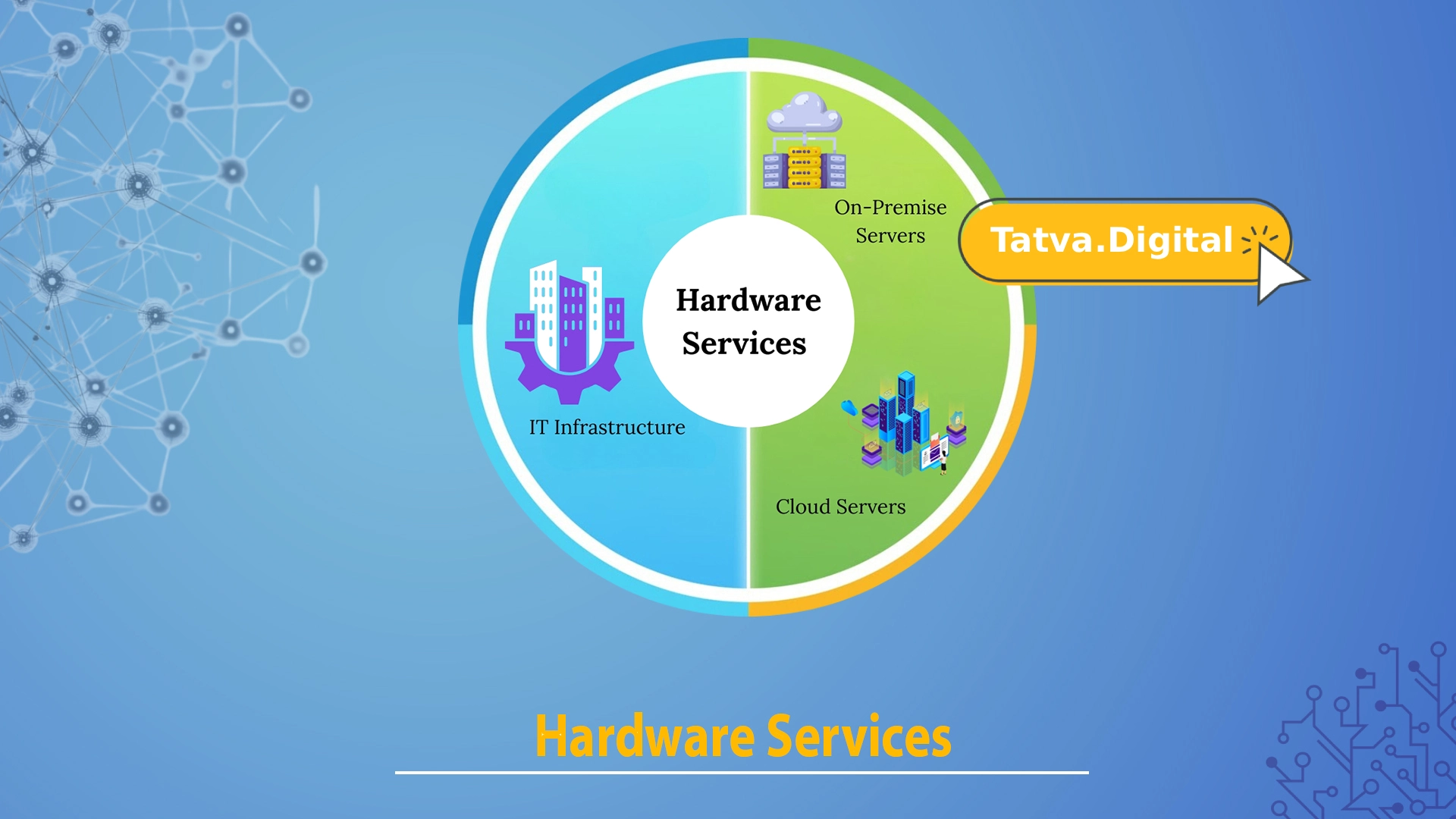
Hardware Services

Hardware services form the backbone of every successful business in today’s fast-moving digital landscape. Be it a startup scaling up its operations or an established enterprise upgrading to newer technologies, the right hardware setup guarantees efficiency, security, and long-term growth. A reliable IT infrastructure is no longer optional; it’s a must-have. From workstations and servers to networking and cloud systems, every component contributes to productivity for your company. That is where Tatvatech Digital comes in with helping businesses design, deploy, and manage customized hardware solutions that fuel performance and innovation. Let’s explore how the right hardware solution can transform your business operations and give you that competitive edge you need. What Is the Essential Hardware for a Modern Office IT Infrastructure? Your office IT infrastructure defines how effectively your team collaborates and delivers on results. In modern workplaces, every process is underpinned by technology, from communication to data management. But what are the basic hardware components every business in 2025 and beyond needs? High-Performance Workstations and Laptops Your employees need powerful, reliable systems to perform their daily tasks. Spending in the right computers can directly improve productivity. Look for:   Solid-State Drives (SSDs) – for lightning-fast performance Multi-core processor – for handling complex workloads Sufficient RAM – for multitasking and large data sets Ergonomic peripherals – for comfort and health Tatvatech Digital provides personalized hardware services pertaining to sourcing, installation, and maintenance of workstations tailored to your needs for your industry, be it design, finance, education, or healthcare. Networking Equipment for Seamless Connectivity A fast and stable network is the heart of your IT environment. The necessary networking components include: Enterprise-grade routers and switches Secure firewalls – that ensure data is secured Wi-Fi 6 access points – for high-speed connectivity With the appropriate hardware for networking in place, your company secures smooth communication, faster data transmission, and unbroken access for remote teams. Servers and Storage Systems for Business Continuity Data is an organization’s lifeblood. Today’s organizations rely on servers and storage systems to maintain access to, and protection of, data. Choices include: Dedicated on-premise servers –  for full control NAS – Network Attached Storage –  for shared access Hybrid storage systems –  that combine local and cloud-based storage The hardware consulting experts at Tatvatech Digital will help you in selecting solutions according to your capacity, security, and scalability needs. Backup and Disaster Recovery Hardware Hardware failures and data breaches can be devastating. That is why disaster recovery systems are critical. Consider: Automated backup devices Redundant RAID configurations Hybrid cloud backups These tools ensure that your business can recover promptly from any disruption and protect both data and reputation. How Can You Choose the Right Hardware Services for Your Growing Business? The best hardware selection is not about brand comparisons; it’s about understanding your business needs, operational aspects, and scalability requirements. Assess Your Operational Needs Start by considering your workflow and the needs of your employees. For example, a design firm may have powerful GPU requirements, while an accounting firm places emphasis on secure storage and reliability. Tatvatech Digital provides hardware assessment services to help organizations identify performance gaps and future-proof the infrastructure. Focus on Scalability and Flexibility Your technology should grow with you. Choose scalable hardware systems that can easily expand without the need to overhaul your entire setup. Modular servers, upgradeable PCs, and flexible storage systems are all good choices for evolving organizations. Prioritize Security and Compliance In addition, cyber threats are on the increase, making secure hardware a necessity. Implement: Encryption of drives to secure sensitive information. Hardware-based authentication tools Secure routers and firewalls Tatvatech Digital makes sure that your business stays compliant and protected through the integration of superior hardware and robust cybersecurity strategies. Partner with a Trusted Hardware Provider Indeed, professional support makes all the difference. Partner with Tatvatech Digital for end-to-end expertise, from procurement and installation to maintenance and performance monitoring. Their team will make sure your IT systems are optimally performing, reliable, and future-proof. Cloud vs. On-Premise Servers: What’s Best for You? When it comes to server infrastructure, businesses often have a key decision: should you make the change to the cloud or stay with on-premise servers? What are the benefits of cloud servers? Cloud servers offer unparalleled flexibility, scalability, and cost control. Advantages include: Accessibility remotely Easy scalability Reduced hardware maintenance Pay-as-you-go pricing Cloud environments are ideal for growing businesses that need agility without heavy capital investment. What Are the Benefits of On-Premise Servers? With on-premise servers, full control over data and infrastructure is available. Advantages include: Improved security for sensitive information More flexible customization and configuration Long-term cost predictability They’re ideal for companies that have strong compliance requirements or internal IT. Why Consider a Hybrid Approach? A hybrid setup, combining on-premise servers for security with cloud servers for scalability, offers the best of both worlds. Tatvatech Digital specializes in designing hybrid IT infrastructures that balance control, performance, and flexibility. Why Are Hardware Services Important for Business Growth? Professional hardware services entail much more than just product installation. They ensure that your IT systems are: Optimized for performance and reliability Secured against cyber threats Regularly maintained and updated Scalable for future business expansion Tatvatech Digital provides comprehensive support, from hardware setup and network design to troubleshooting, monitoring, and performance tuning, thus helping your business run with zero downtime. FAQs About Hardware Services Q1. What do hardware services include? Hardware services include installation, configuration, maintenance, and performance optimization of IT equipment like servers, routers, and computers. Q2. How do I know what hardware my business needs? First and foremost, analyze your business size, operations, and data requirements. Sometimes, professional consultation with companies like Tatvatech Digital brings out the best solution. Q3. Which is better, cloud or on-premise servers? Cloud servers provide scalability and cost efficiency, while on-premise servers give the businesses control and security. Most companies use a hybrid model in practice. Q4. How frequently should hardware be upgraded? Every 3–5 years, depending upon performance and technology advancements. Regular maintenance increases lifespan and … Read more

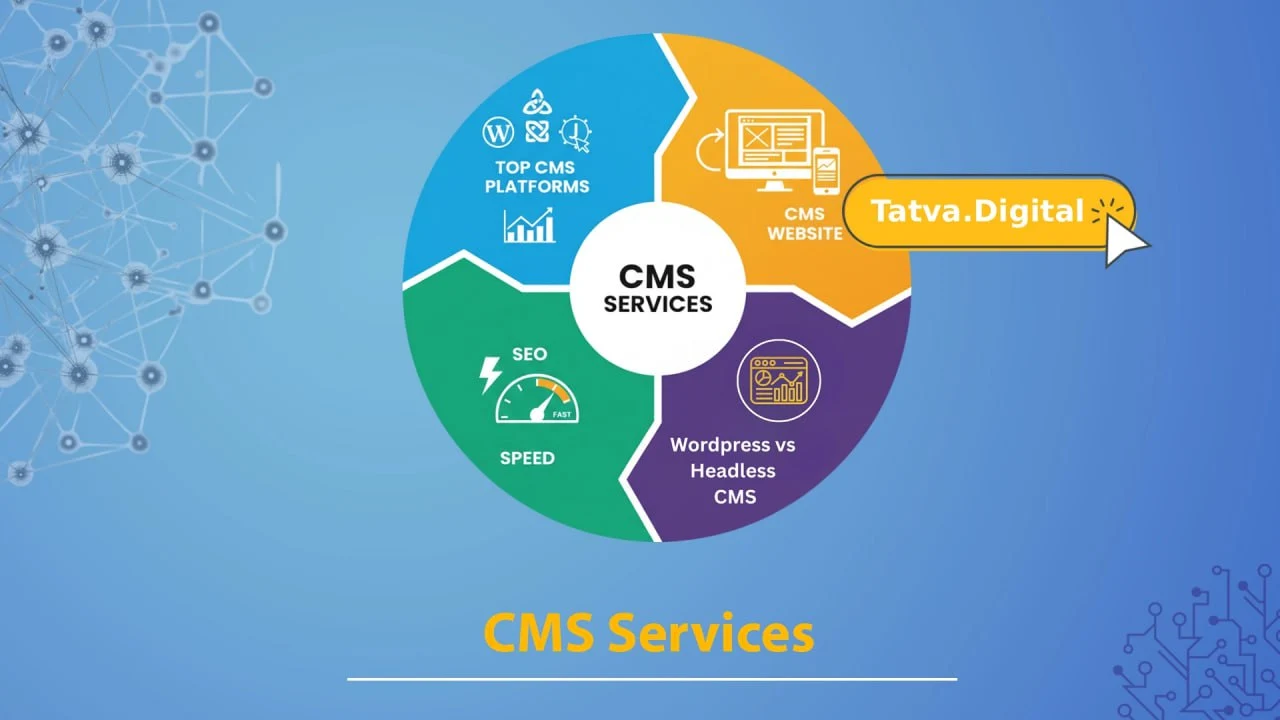
What Are CMS Services, and Why Do They Matter?

What Are CMS Services, and Why Do They Matter?

A strong website is not just a nice-to-have in today’s digital environment—it is a necessity. Businesses can effectively create, manage, and publish online content with the help of CMS services (Content Management System). The correct CMS is important whether you are a professional updating a corporate website, an entrepreneur starting a brand, or a business expanding. With the aid of a content management system (CMS), you can: Create pages without knowing a lot of coding Continue using the same branding and design. Make content search engine friendly (SEO) As your company expands, scale your website. By 2025, there will be a greater need than ever for CMS software that supports SEO best practices, speed, and multi-channel delivery. At this point, selecting the appropriate platform and services (such as those provided by Tatvatech Digital) becomes crucial. WordPress vs. Headless CMS: Which Is Better for SEO in 2025? When debating platforms, there are two major models that dominate: the traditional CMS, such as WordPress, and the “headless” CMS model. Let’s break them down from an SEO-first angle. What is WordPress? WordPress remains the most widely used CMS on the market today. It offers intuitive dashboards, thousands of themes, and plugins for almost any need. For many businesses, the power of its continued popularity is due to its ease of use and strong SEO plugin ecosystem. SEO strengths of WordPress: With dedicated plugins such as Yoast SEO or Rank Math, meta tags, sitemaps, and schema markup become achievable. Large community and frequent updates: helps keep site secure and compatible with search engine changes. Responsive and mobile-friendly themes and frameworks, since these are key ranking factors. What is a Headless CMS? Headless is a mode in which the backend content management is decoupled from the frontend display. You manage content once and deliver it through API to websites, apps, or even IoT devices. Examples include Strapi, Contentful, and Sanity (though we’ll stay high-level here). SEO and Performance Strengths of Headless CMS: Because front-end frameworks—which include React and Next.js—can deliver static pages or serve server-side rendered pages, speed and Core Web Vitals often improve Flexibility to deliver content across multiple channels → better omnichannel experience. Improved security with no public admin UI on the front end may reduce downtime or penalties from security leaks. Which is better for SEO in 2025? To most entrepreneurs and working professionals, if your goal is a website or blog with straightforward content and you want ease of use, WordPress remains strong. But if you’re building a content-heavy brand that spans web, mobile, and perhaps a PWA or app, and you can invest in development, a headless CMS gives you an edge in performance and future-proofing. If you partner with a service provider like Tatvatech Digital that has robust development, optimization, and performance services, you can get the benefit of a headless or hybrid CMS model without having to build everything from scratch. Bottom line: Choose WordPress for simplicity and speed to market; choose headless or hybrid if scalability, performance, and omnichannel delivery are priorities. Top CMS Platforms Compared: WordPress, Drupal, Joomla & More—Which Should You Choose? There’s no one-size-fits-all when it comes to CMS platforms. Below is a comparison of the major players you might consider, along with service implications. Platform Best For Key Strengths Considerations WordPress SMEs, entrepreneurs, blogs, eCommerce Massive plugin ecosystem, large talent pool, quick setup Can become slow if bloated, requires maintenance Drupal Large enterprises, high-complexity sites Highly customisable, strong security and permissions Requires expertise, steeper learning curve Joomla! Medium complexity sites, community portals Good multilingual support, flexible Smaller ecosystem, fewer plugins than WP Headless CMS (e.g., Contentful, Strapi) Multi-channel content, apps, performance-first sites Excellent for speed & scalability Needs more dev resources, higher cost CMS services + managed providers For businesses wanting outsourcing of maintenance, security, performance You’re freed to focus on content & business, not infrastructure You’ll pay for service; choosing provider matters Why choosing the right “cms services” partner matters Choosing the right CMS software is only the first step. You also need services for setup, customization, maintenance, speed optimization, security, and backups, besides SEO implementation. That’s where a digital agency, such as Tatvatech Digital, specializing in web applications and optimization, becomes important. Key decision factors for entrepreneurs & professionals How much content will you publish and update? Do you need multi-channel distribution: web, mobile, and app? What is your budget for ongoing maintenance and optimization? How Can You Optimize Your CMS Website for Speed & Performance? Website performance is no longer optional. Speed impacts user experience, conversions, and SEO. Here are actionable CMS website optimization and CMS speed optimization tips. Actionable Optimization Checklist  1.Use a quality hosting environment or managed CMS hosting: The foundation of performance  2. Enable caching: server-side + plugin. Reduces server load, improves page load time.  3. Optimize images and media: use the WebP format, lazy-load them, and compress them without quality loss. 4. Minify CSS, JS, and HTML: It reduces the size of the files and enhances the speed of rendering. 5. Use a Content Delivery Network (CDN)—Distribute assets globally to reduce latency. 6. Limit and audit plugins/modules/extensions—remove unused elements and keep things lean. 7. Use a lightweight, well-coded theme or frontend framework –  Avoid bloated themes that weigh you down. 8. Implement lazy loading and defer non-critical scripts – Prioritize above-the-fold content. 9. Monitor Core Web Vitals – Metrics to watch include Largest Contentful Paint (LCP), First Input Delay (FID), and Cumulative Layout Shift (CLS). 10. Regularly update CMS, plugins, and server stack—security and speed improvements come via updates. Why it matters for SEO & user experience Google focuses on page speed and user experience when ranking, as do other search engines. Slow loading sites equate to a high bounce rate, which indicates low engagement. For busy professionals and entrepreneurs looking for results, a performance-centric approach yields higher conversions and better search visibility. Role of professional CMS services Companies like Tatvatech Digital can handle most of these steps on your behalf: performance tuning, caching setup, integration of … Read more

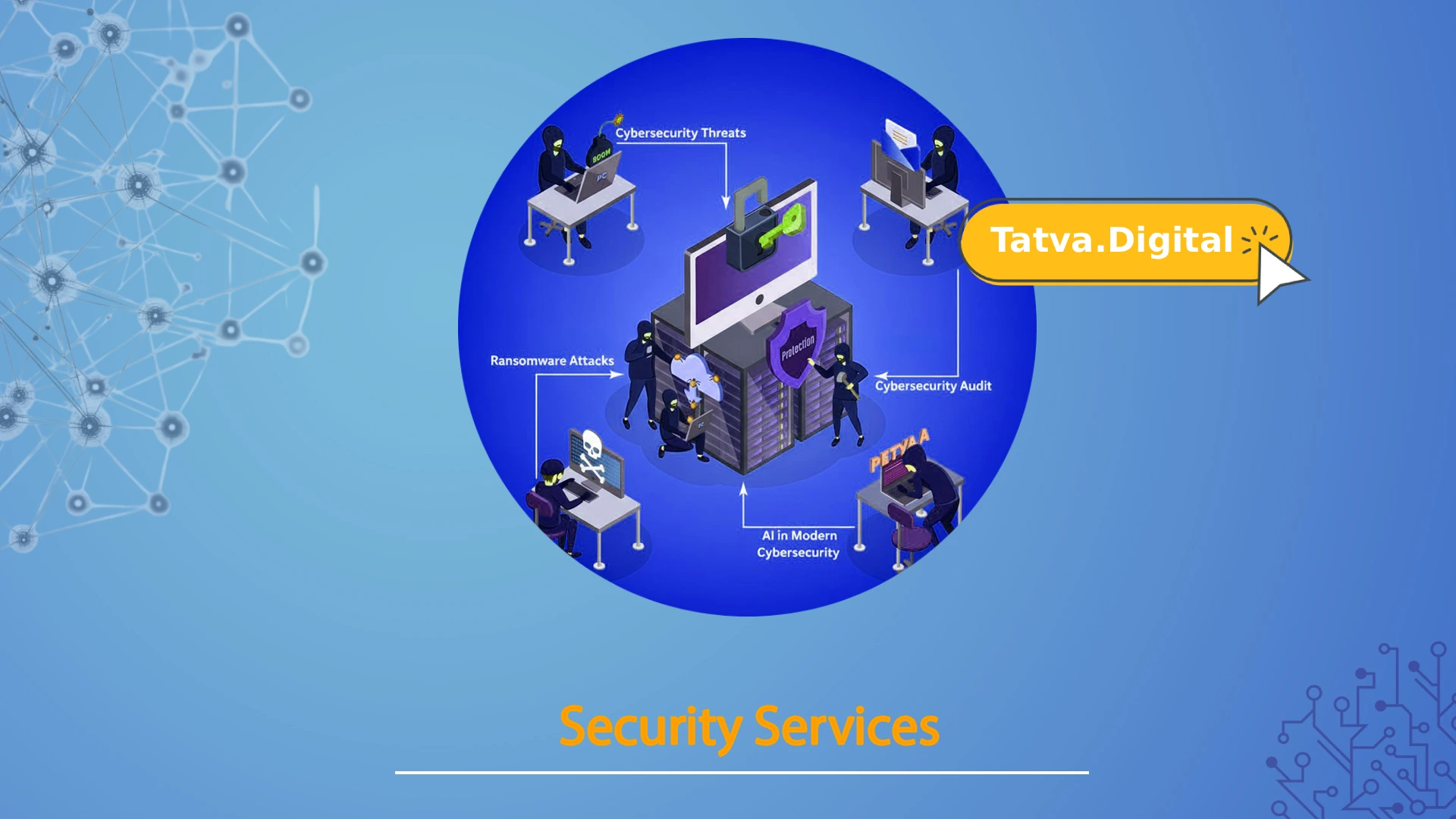
Why Are Security Services Essential for Every Business?

Why Are Security Services Essential for Every Business?

Security services are no longer secondary; they are essential for securing physical and digital assets in today’s digital-first world. As small businesses evolve and digital threats become increasingly more sophisticated, investing in the full range of security services is important. This article aims to explore the core components of security services in today’s world: CCTV and access control systems, smart security systems (IOT-based), and incorporating cybersecurity into your security strategy by 2025. What Are the Top Cybersecurity Threats Facing Small Businesses in 2025? Small businesses are increasingly being targeted by cybercriminals because they typically do not have sophisticated security automation systems like larger companies. Some of the biggest threats include:  Ransomware Attacks – Ransomware can lock a business’s data and force the business to pay a ransom for it. In fact, a midsize accounting firm located in New York lost access to client files as a result of a ransomware attack. The firm was unable to operate for a week.  Phishing Scams – Cybercriminals will often send an email or a message designed to trick employees into revealing sensitive information. In 2024, a retail chain was the victim of a phishing breach that resulted in the exposure of customer payment information. Insider Threats – Employees who have access to sensitive data may leak it intentionally or even unintentionally.  IoT Vulnerabilities (Internet of Things) – Because of the increased use of smart security systems (IoT-based), businesses must consider that devices such as smart cameras and access points can be compromised if they are not properly secured. In order to mitigate these threats, businesses must integrate advanced services solutions such as CCTV surveillance, access control systems, and automated cybersecurity intelligence. How Can You Protect Your Business Data from Ransomware Attacks? In 2025, ransomware attacks are among the most detrimental forms of threats. There are steps you can take to safely secure your data: Regularly Backup Data – Store backups on-site and in secure cloud environments. For example, in California, a hospital experienced a ransomware attack and was able to restore patient records from its secure cloud backups. Implement Security Automation Systems – Automated systems that monitor networks in real-time can identify anomalies and mitigate attacks before they escalate. Employee Training – Employees should be trained about phishing emails, suspicious links, and secure password practices. Comprehensive Security Solutions – Combining CCTV surveillance with a network monitor means that companies can address security from both a physical and a network/digital perspective so as to be aligned. For example, a logistics company used CCTV feeds and combined these with IoT-based sensors to monitor consumed warehouse access as well as secure digital records of inventory. Businesses can address ransomware incidents and better protect their resources by implementing the strategies above Why Does Every Business Need a Cybersecurity Audit in 2025? A cybersecurity audit assesses your organization’s electronic infrastructure and identifies weaknesses in your setup before hackers identify them. Here’s why audits are crucial:  Identify Weak Links: An audit will make visible outdated software, unprotected devices and possible insider threats.  Compliance: Various sectors recognise the need for compliance with regulations such as GDPR or HIPAA legislation. A cybersecurity audit will confirm your business is in compliance with these regulations. Prevent Financial Expense: In 2024, the average cost of a data breach was $4.45 million. A cybersecurity audit is a means of safeguarding against loss through the assurance that your smart security systems (IoT-based) and your access control systems are properly configured.  Case Study: During a cybersecurity audit, a small e-commerce company discovered a vulnerability in its payment processor. The company took immediate action to remedy the vulnerability, avoiding a potential breach of thousands of records.  A cybersecurity audit is not just a technical scan; it is an investment in the long-term security of your business. What Is the Role of AI in Modern Cybersecurity Solutions? Artificial intelligence is transforming the way businesses approach security. Here’s how AI contributes to modern cybersecurity: Threat Detection: AI algorithms can identify unusual patterns and potential breaches faster than human analysts. Automated Responses: AI-driven security automation systems can instantly isolate affected systems during a cyberattack, minimising damage. Predictive Analysis: By analysing trends, AI can anticipate emerging threats, allowing businesses to act proactively. Integration with Physical Security: AI is also used in CCTV surveillance and access control systems to detect suspicious behaviour in real time. For example, AI-powered cameras in a corporate office alerted security personnel when an unauthorised individual attempted to access restricted areas. AI is no longer a futuristic concept—it’s an essential component of any security services solution that prioritises both physical and digital security. FAQs About Security Services Q1: What is a smart security system (IoT-based)?  The smart security system is the interconnected devices, such as security cameras or sensors, that communicate analysis in real-time to monitor and keep your business safe. Q2: How often should a business conduct a cybersecurity audit? A cybersecurity audit should be conducted frequently, but at a minimum, once a year or anytime significant changes occur in the IT infrastructure. Q3: Are advanced security solutions too expensive for small businesses? No A number of small business security providers have scalable service solutions that fit various budgets and still provide protection. Q4: How does a CCTV surveillance system interact with cybersecurity? Modern CCTV surveillance systems can feed into security automation systems that, in fact, will tie physical monitoring with digital alerts, leading to a very cohesive security system. Conclusion:  Investing in Security Services is a Must  In 2025, business security has never been more crucial. From CCTV camera surveillance and access control solutions to smart security systems (IoT-based) and AI-enabled cybersecurity solutions, full security services are essential for protecting your business assets. By being proactive—conducting cybersecurity audits, training your people, and leveraging service solutions—businesses can lessen their risk, remain compliant, and maintain customer trust. Don’t wait to be attacked to do something about it; invest in the right security automation systems today to protect your business. Final Thought: Don’t delay securing your business; schedule a full cybersecurity … Read more

How IoT Services Are Revolutionizing Modern Industries?

How IoT Services Transform Modern Industries

The Internet of Things (IoT) is a force behind digital transformation in every industry and is no longer merely a futuristic idea. IoT services are helping companies connect devices, gather real-time data, and make better decisions in a variety of industries, including manufacturing, healthcare, logistics, and smart cities. IoT is transforming how businesses function, innovate, and provide value to consumers by bridging the gap between the physical and digital worlds. How is the Internet of Things (IoT) disrupting industries? What are the key use cases you should know? IoT use cases When business, technology and operations professionals hear the term ‘Internet of Things’ (IoT), they often think first of sensors and connectivity. But the real disruption lies in how those connected devices enable entirely new ways of working across industries. Let’s unpack major industry-shaking use cases. What is Industrial IoT (IIoT), and how is it transforming manufacturing and logistics? Industrial IoT (IIoT) In manufacturing, logistics, energy, oil & gas and other heavy-equipment domains, the Internet of Things (IoT) becomes the backbone of the so-called Industrial Internet of Things (IIoT). Sensors embedded in machines gather huge volumes of data; combined with analytics, they provide insights that weren’t possible before. For example: Sensors monitor vibration, temperature or other machine-health indicators; you can predict when a machine needs maintenance rather than simply waiting for it to fail.  Real-time data from warehouse logistics helps optimize supply-chain flows: fewer delays, less inventory, more efficient operations According to one source, IIoT can reduce machine downtime by up to 30% and raise output by as much as 25%. What are other standout IoT use cases across industries? Highlighting a few more: Energy & utilities: IoT enables smart metering, real-time consumption tracking, and dynamic load balancing. Agriculture: Deploying sensors for soil moisture, crop health, and livestock tracking—connected devices deliver actionable data. Healthcare & wearables: While not heavy industrial usage, IoT devices monitor patient vitals, connect to tele-medicine platforms, enable remote care Retail & logistics: Inventory sensors, asset tracking, and ambient sensing (e.g., for pallet movement) are modern IoT use cases. Why is this disruption important for business and operations professionals? Because the Internet of Things (IoT) isn’t just about gadgets—it’s about embedding intelligence into operations. When implemented effectively, it means: Lower operational costs Faster time to insight and action Improved uptime, better quality, more flexibility New business models (connected services, predictive maintenance, outcome-based contracts) Operations professionals need to ask: how can IoT be applied in industry to move from reactive to proactive? Technology leaders must consider: do we have the infrastructure, connectivity, analytics and governance to support this shift? Business leaders must ask: how will IoT influence our service offerings, cost basis and competitive advantage?  What are the top IoT Services security challenges, and how can you overcome them? IoT security challenges and IoT cybersecurity solutions With the benefits of the Internet cybersecurity come serious responsibilities. Numerous connected devices mean a larger attack surface, and operations teams must be vigilant.  Which security challenges are most prevalent in IoT deployments? Some of the major hurdles: Device vulnerabilities: many devices are shipped with weak defaults, outdated firmware, and insecure credentials. Scalability and heterogeneity: thousands or millions of devices of differing types and manufacturers can complicate security management. Connectivity risks: IoT often relies on wireless, cellular, LPWAN or edge connectivity, which can be less secure than controlled LANs. Data privacy and integrity: With constant streams of data flowing, keeping the data secure and ensuring it hasn’t been tampered with is non-trivial. Legacy systems and integration: In many industries, older equipment is retrofitted with IoT sensors; these legacy parts may not support modern security controls What IoT cybersecurity solutions can help overcome these challenges? Here are key strategies to mitigate risk: Implement strong authentication and encryption: for IoT devices and communication, enforce multi-factor authentication and encrypt data both at rest and in transit. Device lifecycle management: Make sure devices are patched, firmware is updated, and end-of-life devices are removed or isolated. Network segmentation and edge security: Use segmentation to isolate IoT networks, and employ edge computing architectures so not all data must traverse back to a centralised cloud.  Analytics and anomaly detection: Use AI/ML tools to monitor IoT device behaviour and detect unusual patterns or breaches in real-time Standardisation and governance: Define clear policies, standardise device onboarding, and enforce vendor compliance What practical tips should operations professionals follow? Inventory all connected devices—including sensors, gateways, and network elements—and know what you have. Apply security by design when onboarding new IoT services: don’t treat security as an afterthought. Monitor and audit regularly: logs, firmware versions, and incoming/outgoing connectivity. Train staff: even simple misconfiguration of IoT devices leads to breaches. Build resilience: assume a device will fail or be compromised; build fallback and isolation mechanisms. By focusing on both the IoT security challenges and implementing robust IoT cybersecurity solutions, enterprises can push ahead with device-driven modernisation without exposing themselves to undue risk From smart homes to smart cities: What is the future of IoT in 2025? Smart home and smart city IoT + Future of IoT 2025 Let’s zoom out and look at how the Internet of Things (IoT) is evolving from individual devices in homes to campuses, cities and urban infrastructure—and what 2025 holds for this evolution.  How are smart-home IoT and smart-city IoT related yet different? Smart Home IoT: Devices like thermostats, smart locks, connected appliances and energy meters—these improve convenience, comfort, energy efficiency and personalization in the home Smart City IoT: At a larger scale—street-lighting sensors, traffic-management systems, waste-management sensors, utility grids, and public-transport monitoring. Smart-city initiatives connect infrastructure at scale. Both rely on the same underlying concept: embedded sensors, connectivity, and data analytics—but scaled and often with greater complexity, regulation and stakeholder involvement in the smart-city scenario. What are the key IoT trends shaping the future to 2025? Several themes to watch: Massive growth in connected devices: By the end of 2025, device counts on IoT networks are expected to exceed 21 billion globally. Enhanced connectivity: 5G, LPWAN, satellite IoT, and hybrid … Read more

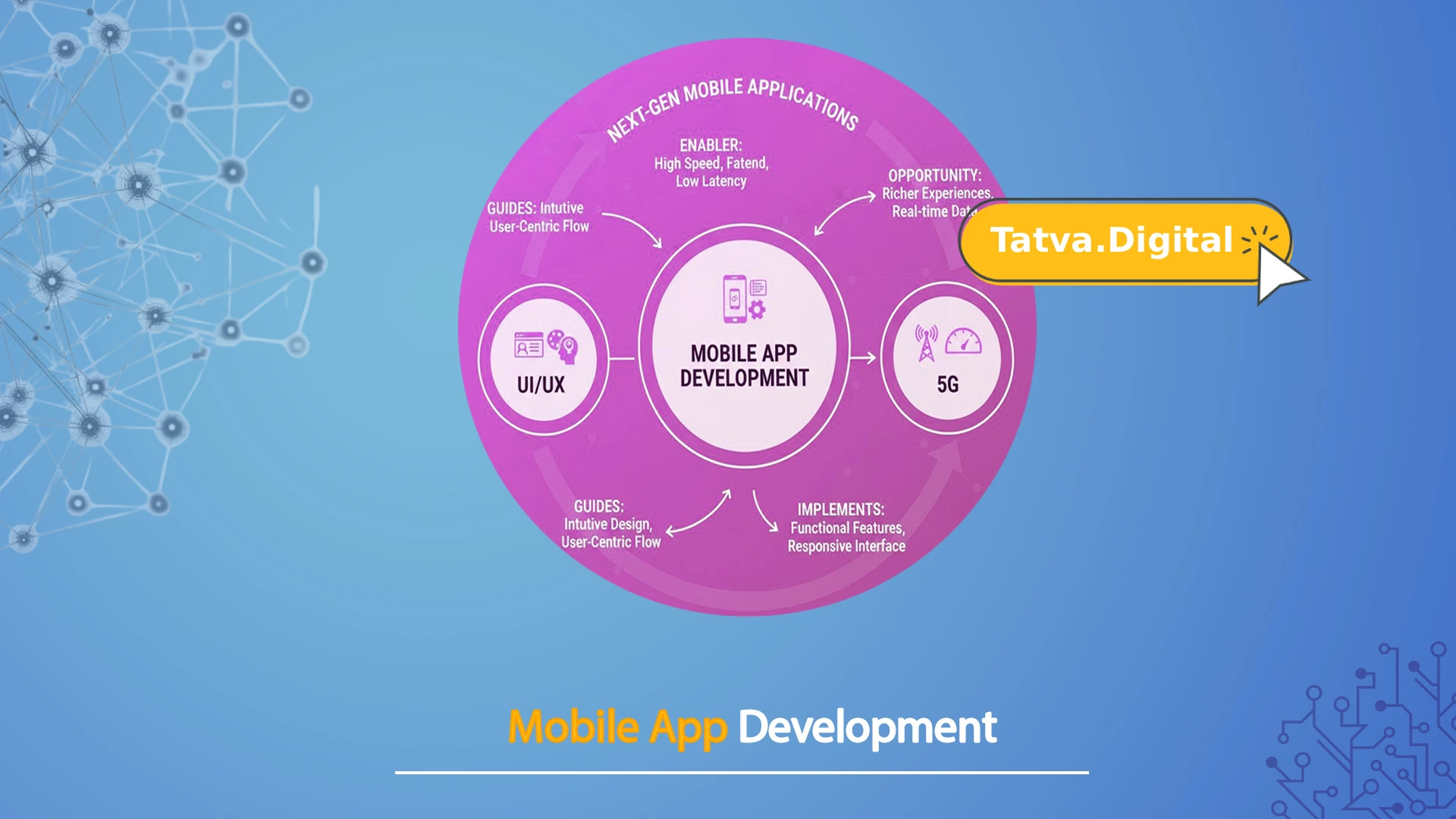
Mobile App Development –2025-26 Guide by Tatvatech Digital

Mobile App Development

Mobile app development has become an important part of today’s businesses in the fast-changing digital ecosystem. From small businesses to Fortune 500 corporations, all are trying to build innovative, secure, intuitive, and scalable apps for ever-increasing user expectations.  At Tatvatech Digital, we help build great apps to deliver outstanding user experience and drive continuous business improvement. In this inclusive guide, when you’re considering Cross-Platform development, transitioning to 5G technology, or implementing the best security, you’ll have a better understanding of how to stay relevant in 2025 and beyond Cross-Platform vs. Native Apps: Which One Should You Choose in 2025? When designing your next app, one of the biggest decisions you will need to make is to determine whether you will develop a native app or a cross-platform app.  Let’s talk about the difference and help you to decide which is best for your project. What Are Native Apps? Native apps are applications that are built solely for one platform (either Android using Kotlin/Java or iOS using Swift/Objective-C).  Native apps are designed to function with the features available for the platform and provide the user with a seamless experience.  Benefits of Native Apps: Speed: Native apps tend to run considerably faster and more smoothly than other apps because they were built for only one platform.  On top of that, the performance can make your app stand out and shine. Security: Native apps tend to integrate better with device-level security.  Use of hardware: Native app developers have full access to any hardware features available on the device i.e., GPS, camera, sensors, and notifications.   Consistency: Created natively means that there will be some level of consistency and use of the design language available for their respective platform.  For example, Android’s use of Material Design or iOS Human Interface Guidelines.  Disadvantages: Cost:  The two platforms require separate development teams to build the app.  Time:  Developing two different codebases will also require quite a bit of more time What Are Cross-Platform Apps? Cross-platform apps use a single codebase to run on multiple platforms. Popular frameworks include Flutter, React Native, and Xamarin. Benefits of Cross-Platform Apps: Faster development: One codebase for both iOS and Android. Reduced cost: Saves time and resources by eliminating redundant work. Consistent user experience: Ensures a uniform look and feel across devices. Easy maintenance: Updates and bug fixes apply to all platforms at once. Drawbacks: Limited native performance: Might not fully utilize device hardware. Delayed feature support: New OS updates may take longer to integrate. What Should You Choose in 2025? In 2025, cross-platform development continues to gain momentum due to its cost-effectiveness and speed. Frameworks like Flutter 3 and React Native 0.76+ now offer near-native performance, making them ideal for most business apps. However, if you need high-performance gaming, AR/VR, or hardware-intensive apps, a native approach remains unbeatable. Tatva Tech Digital Tip: For startups and SMEs, cross-platform apps offer a better ROI. For enterprise-grade or feature-heavy apps, go native. Top Mobile App UI/UX Trends You Can’t Ignore The visual appeal and usability of your app can make or break its success. In 2025, UI/UX design trends focus on personalization, minimalism, and immersive interactions. Here’s what’s dominating the design landscape. Personalized Experiences Modern users expect apps that adapt to their preferences. By leveraging AI and machine learning, apps can now tailor recommendations, content, and layouts to individual behavior. Examples: Personalized dashboards (like Spotify’s “Made for You”) Dynamic color themes and adaptive typography Predictive navigation based on user activity Voice and Gesture Control With the rise of voice assistants and gesture-based UIs, apps are moving beyond traditional touch input. Why it matters: Accessibility: Easier for users with disabilities. Hands-free experience: Perfect for multitasking. Futuristic appeal: Makes your app stand out in crowded markets. Neumorphism and Minimalism The “less is more” principle dominates 2025’s design scene. Neumorphism, with its soft shadows and realistic depth, offers a clean, tactile feel. Benefits: Enhanced visual hierarchy Clean, modern interfaces Focus on usability over decoration Micro-Interactions Micro-interactions — subtle animations or feedback responses — enhance user delight and engagement. Examples: Button animations when tapped Real-time input validation Progress bars or loading effects These small touches create a more human connection with users. Dark Mode Optimization Dark mode isn’t just a trend — it’s a user preference. It improves battery life, reduces eye strain, and gives a sleek aesthetic. Tatvatech Digital Insight: Always test your dark mode UI across different devices and brightness levels to maintain readability and contrast. How 5G Is Changing the Way Apps Are Built and Used The arrival of 5G technology is reshaping the mobile app ecosystem. With speeds up to 100x faster than 4G, developers now have endless opportunities to innovate. Lightning-Fast Downloads and Streaming 5G enables instant app installations, lag-free video streaming, and real-time cloud gaming. This means users can access high-quality content without delay. Example Use Cases: Cloud-based gaming platforms like Xbox Cloud Gaming High-resolution video conferencing apps Instant media uploads for social networks AR/VR Becomes Mainstream 5G’s low latency makes Augmented Reality (AR) and Virtual Reality (VR) more accessible than ever. Industries benefiting: Retail: Virtual try-ons Real estate: 3D virtual tours Healthcare: Remote diagnostics Education: Immersive learning experiences Internet of Things (IoT) Integration With 5G, IoT-enabled apps can connect and control devices in real-time — from smart homes to connected cars. Examples: Smart thermostats that learn user behavior Wearable health apps tracking live vitals Fleet management apps for logistics Real-Time Analytics and Cloud Computing 5G enhances the efficiency of edge computing and cloud synchronization, allowing apps to handle massive data in real-time. This results in smarter analytics, faster updates, and more responsive UIs. Tatvatech Digital Note: When developing for 5G, prioritize scalability and real-time communication features using WebSockets or GraphQL Mobile App Monetization Strategies That Work A great app isn’t just about functionality — it’s also about generating revenue. In 2025, monetization models have evolved to balance profitability and user satisfaction. Here are the most effective strategies to consider: Freemium Model This model offers a basic version for free and … Read more

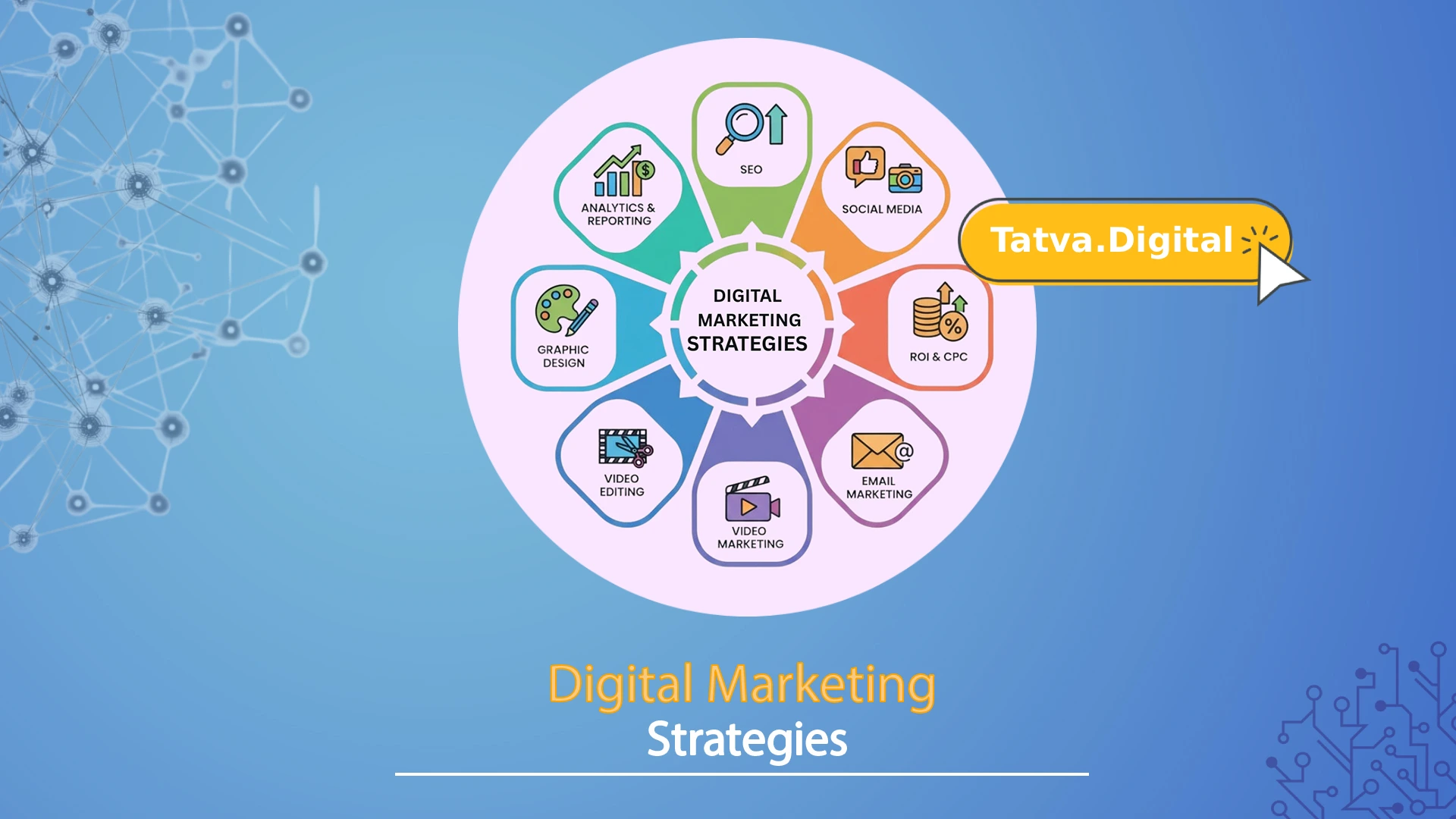
How Can Digital Marketing Strategies Drive Business Success in 2025?

Digital Marketing Services

Introduction: The Significance of Digital Marketing In 2025, digital marketing is more important than ever before for companies looking to remain competitive. With rapid technology and consumer behavior changes, using the right digital marketing strategies will determine business success. From SEO to social media marketing, these strategies provide companies with the best means of connecting with a global market, building brand awareness, and driving conversions. This article looks at how digital marketing strategies can take businesses to new heights in the rapidly changing digital world. Top SEO Trends Taking Over Search Rankings in 2025 As we head into 2025, SEO remains the foundation of digital marketing. With the evolution of Google algorithms and search patterns, it’s necessary to stay one step ahead. Here are some of the SEO trends that you should know to enhance search rankings: AI-Driven SEO: AI-based tools will continue to improve, enabling companies to forecast and study search behavior more accurately. Voice Search Optimization: With growing use of voice-enabled gadgets, voice search optimization will become the key to driving natural traffic. User Experience (UX): Google is focusing increasingly on user experience, so your site needs to be both mobile-friendly and quick-loading. By optimizing for these SEO trends, companies can keep their search rankings robust in 2025 and later. How Do You Create a Winning Social Media Strategy Without Spending a Fortune? Social media marketing remains a powerful force in digital marketing. A solidly executed social media strategy can greatly increase your brand’s visibility and engagement. Here’s how to develop a winning strategy without overspending: Organic Growth: Prioritize developing high-quality, shareable content that appeals to your desired audience. Platform-Specific Content: Make sure your content is specific to each platform, be it Instagram, LinkedIn, or Facebook. Engagement: Continue engaging with your audience by responding to comments, holding polls, and having live sessions. By being resourceful and strategic, you can develop a social media presence that generates engagement and brings in customers at an affordable cost. What are the Top Tips for Improving ROI and CPC with Google Ads in 2025? Google Ads is still among the best means to generate targeted traffic. But the secret to success is to run your PPC campaigns in a way that improves ROI and CPC: Utilize Smart Bidding: Your ad spend will be optimized for higher returns by automated bidding strategies. Refine Targeting: Target specific, high-converting keywords and geo-targeting for improved CPC. Ad Extensions: Use ad extensions to show additional information to prospective customers, improving ad relevance and interaction. By implementing these strategies, your Google Ads campaigns can generate more targeted leads without increasing expenses. Which Email Marketing Automation Strategies Will Actually Work in 2025? Email marketing remains one of the top-converting channels in digital marketing. Email marketing automation is the secret to reaching customers at scale. Following are ways to enhance your email marketing strategy in 2025: Personalised Campaigns: Leverage customer data to personalise subject lines, content, and offers. A/B Testing: Test email campaigns on a regular basis to figure out what works best with your audience. Segmented Lists: Segment your email list based on interest, behavior, or location to deliver more targeted content. Email marketing is still one of the most effective tools for lead nurturing and conversions, particularly when automation is employed to optimize the process. How Can You Rank YouTube Videos Faster Using Video Marketing in 2025 Video marketing is vital in 2025 with the reign of sites such as YouTube. Here’s how to make your videos rank better: Use Relevant Keywords: Titles, descriptions, and tags on your video should be optimized with high-search terms for your content. Engagement Signals: Ask viewers to like, comment, and share your videos to increase engagement and ranking. Quality Content: Prioritize creating high-quality, informative, or entertaining videos that satisfy your viewers. Optimizing your video content for SEO and engaging your audience can significantly improve your YouTube rankings. What Are the Best ORM Tips for Small Businesses in 2025? Online reputation management (ORM) is vital for businesses in 2025. Here’s how to maintain a positive online presence: Monitor Mentions: Use tools like Google Alerts to track mentions of your brand across the internet. Interact with Reviews: Both positive and negative reviews should be replied to professionally in order to establish trust. Transparency: Credibility is maintained by being sincere and transparent when communicating. A good ORM strategy will see businesses develop customer loyalty and enhance brand perception. How Is Influencer Marketing Revolutionising B2B Industries in 2025? Influencer marketing is no longer only for B2C companies—B2B brands are also tapping into the strength of influencers. Here’s how B2B companies can use influencer marketing in 2025: Collaborate with Industry Experts: Partner with renowned industry experts to gain more credibility and exposure. Micro-Influencers: Partner with micro-influencers who have specialised but highly active followers. Content Co-Creation: Co-create content with influencers that appeals to their target audience while endorsing your brand. In 2025, influencer marketing will remain a force to push brand awareness and consumer trust within B2B industries. What Mobile Marketing Strategies Should You Implement in a Mobile-First World in 2025? As a mobile-first strategy rules the digital universe, some mobile marketing strategies for success in 2025 include: Responsive Design: Make sure your website is accessible on mobile devices and loads speedily on all platforms. Mobile Ads: Emphasise mobile marketing via Google Ads, Facebook Ads, and other mobile offerings. Location-Based Marketing: Employ GPS and mobile information to target individuals on the basis of location for more personalised offers. Mobile marketing is becoming increasingly significant as more consumers use mobile devices for their online behavior. How Can You Write Content That Appeals to Humans and Ranks on Google in 2025? Content creation attracts users as well as search engines is key for SEO. Here’s the way to achieve just the right balance: Prioritize User Intent: Recognize the reason why someone enters a search query and design content that serves that purpose. Optimize for Featured Snippets: Organize your content in a question-answer format so it’s eligible for featured snippets. … Read more

Why ERP Development Services Essential for Modern Industries?

Enterprise resource planning Services

Enterprise Resource Planning (ERP) software has become a must-have for enterprises in all sectors. From manufacturing and construction to real estate, garments, cooperatives, and corporate training, ERP software automates procedures, enhances efficiency, and facilitates data-driven decision-making. This article discusses the functionality of ERP software and the sectoral advantages it offers, organized under main headings for understanding. How ERP Systems Are Transforming the Construction Industry in 2025 The construction industry is highly complex, involving multiple stakeholders, strict deadlines, and extensive documentation. Modern construction ERP software integrates project management, resource allocation, budgeting, and compliance tracking into a single platform. Key Features for Construction ERP Real-time Project Monitoring: Dashboards provide visibility over project milestones, budgets, and timelines. Resource Optimization: Track labor, equipment, and materials to reduce wastage and avoid delays. Compliance Management: Centralized documentation ensures adherence to safety and regulatory standards. Industry Benefits On-time Project Delivery – Real-time tracking eliminates delays and bottlenecks. Cost Reduction – Improved resource management reduces operation expenses. Improved Decision Making – Immediate data access enables informed decisions. Top Features to Look for in a Manufacturing ERP System Manufacturing companies are confronted with difficulties in synchronizing production, inventory, supply chain, and sales. A sound manufacturing ERP software consolidates all these functions for streamlined operations. Key Features Production Planning and Scheduling: Forecast demand, maximize machine utilization, and reduce downtime. Quality Control: Track product quality at each step to ensure standards. Supply Chain Management: Enhance transparency, coordination between suppliers, and inventory handling. Analytics and Reporting: Create real-time reports for cost reduction and strategic planning. Industry Benefits Increased Production Efficiency – Efficient processes minimize slowdowns. Better Product Quality – Ongoing quality inspections keep defects to a minimum. Better Supply Chain – Easier supplier coordination and fewer inventory problems. Why Real Estate Companies Require Custom ERP Solutions Now Real estate businesses operate various activities, such as property listings, client interactions, and financial transactions. Industry-specific Custom ERP solutions bring these processes into one place, enhancing operational efficiency and transparency. Key Features Centralized Property and Client Database: Get all property, sales, and client information in real time. Financial and Contract Management: Automate billing, lease agreements, and payments. CRM Integration: Streamline client communication and relationship management. Industry Benefits Faster Decision-Making – Centralized data allows for quicker, informed decisions. Precise Financial Management – Automated operations minimize mistakes. Enhanced Client Interaction – Enhanced communication and follow-ups enhance client satisfaction. Why ERP Solutions Make Garment Businesses Grow Faster Apparel and garment businesses face seasonal demand changes and intricate production processes. Garment ERP software facilitates the tracking of production, inventory management, and streamlined operations. Top Features End-to-End Production Tracking: Track each process from material procurement to delivery. Inventory Management: Optimize stock levels to prevent shortage or overstocking. Cost and Profit Analysis: Real-time tracking aids in setting pricing to compete in the market. Industry Benefits Effective Production Management – Minimized delays and wastage. Inventory Optimization – Avoids overstocking or shortages. Improved Profit Control – Insights to keep profitability intact. Credit Cooperative ERP: Essential Features for Financial Management Transparency, precision, and regulation adherence are needed for credit cooperatives. Automate fundamental processes and provide actionable insights through Cooperative ERP systems. Key Features Member and Account Management: Store deposits, loans, and transaction records. Automated Loan Processing: Speed up approval and cut down on errors. Real-Time Financial Reporting: Use precise insights for strategic purposes. Industry Benefits Transparent Operations – Precise tracking fosters trust among members. Improved Loan Processing Speed – Automation enhances service efficiency. Informed Money Decisions – Real-time reporting supports improved planning. Advantages of Scaffolding ERP for Equipment and Project Tracking The scaffolding and equipment hire business calls for efficient tracking of assets and project timelines. Scaffolding ERP solutions simplify operations and optimize equipment utilization. Key Features Equipment Tracking: Track usage, maintenance, and availability. Project Coordination: Coordinate schedules, inventory, and labor. Billing Automation: Automate invoicing and maintenance tracking. Industry Benefits Optimized Equipment Utilization – Minimize idle equipment and losses. Enhanced Project Coordination – Timely availability guarantees smooth operations. Operational Efficiency – Automation expedites time and minimizes errors. Training ERP Systems: Transforming Corporate Learning & Development Corporate learning initiatives gain from training ERP systems, which consolidate employee training, monitor performance, and enforce compliance. Key Features Centralized Learning Management: Host courses online, monitor progress, and handle certifications. Performance Evaluation: Detect skill gaps and develop training programs. Compliance Tracking: Streamline regulatory training obligations. Industry Benefits Effective Learning Management – Easy access to training and tracking. Enhanced Employee Performance – Targeted programs improve skills. Regulatory Compliance – Automated tracking lessens risk. The Future of ERP: Blending AI and Machine Learning in 2025 AI and machine learning are revolutionizing ERP systems, making them predictive, intelligent, and user-friendly. Key Features Predictive Analytics: Predict equipment failures, demand shifts, and operational risks. Intelligent Insights: Analyze big data for strategic decisions. Automation and Smart Assistance: AI chatbots ease tasks and reporting. Industry Benefits Improved Forecasting – Identify issues before they arise. Data-Driven Decisions – Quicker and more accurate strategies. Operational Efficiency – Less manual intervention across industries. How to Select the Best ERP Platform for Your Business (Dycon ERP Example) The right ERP platform selection is based on business requirements, size, and industry. Selection Criteria Define Core Requirements: Identify processes to be automated. Evaluate Scalability and Integration: Seamless integration with existing systems. User Experience and Support: Vendor support and ease-of-use drive adoption. Platforms such as Dycon ERP provide industry-specific, modular customization to suit specific needs. Industry Benefits Improved Platform Alignment – ERP aligns business workflows. Scalability – System scales with organizational needs. Seamless Integration – Reduces disruption and optimizes ROI. Conclusion ERP systems are holistic platforms that align operations, analytics, and decision-making across industries. From manufacturing and construction to real estate, apparel, cooperatives, and corporate development, ERP solutions enhance productivity, lower errors, and facilitate decision making. Evolutions in AI and machine learning render ERP systems smart, predictive, and extremely user-friendly. Companies considering ERP solutions have to weigh factors, uses, cost against value, and scalability to select the optimum platform. For businesses looking for professional ERP development solutions, Tatvatech Digital  provides scalable, custom, and … Read more

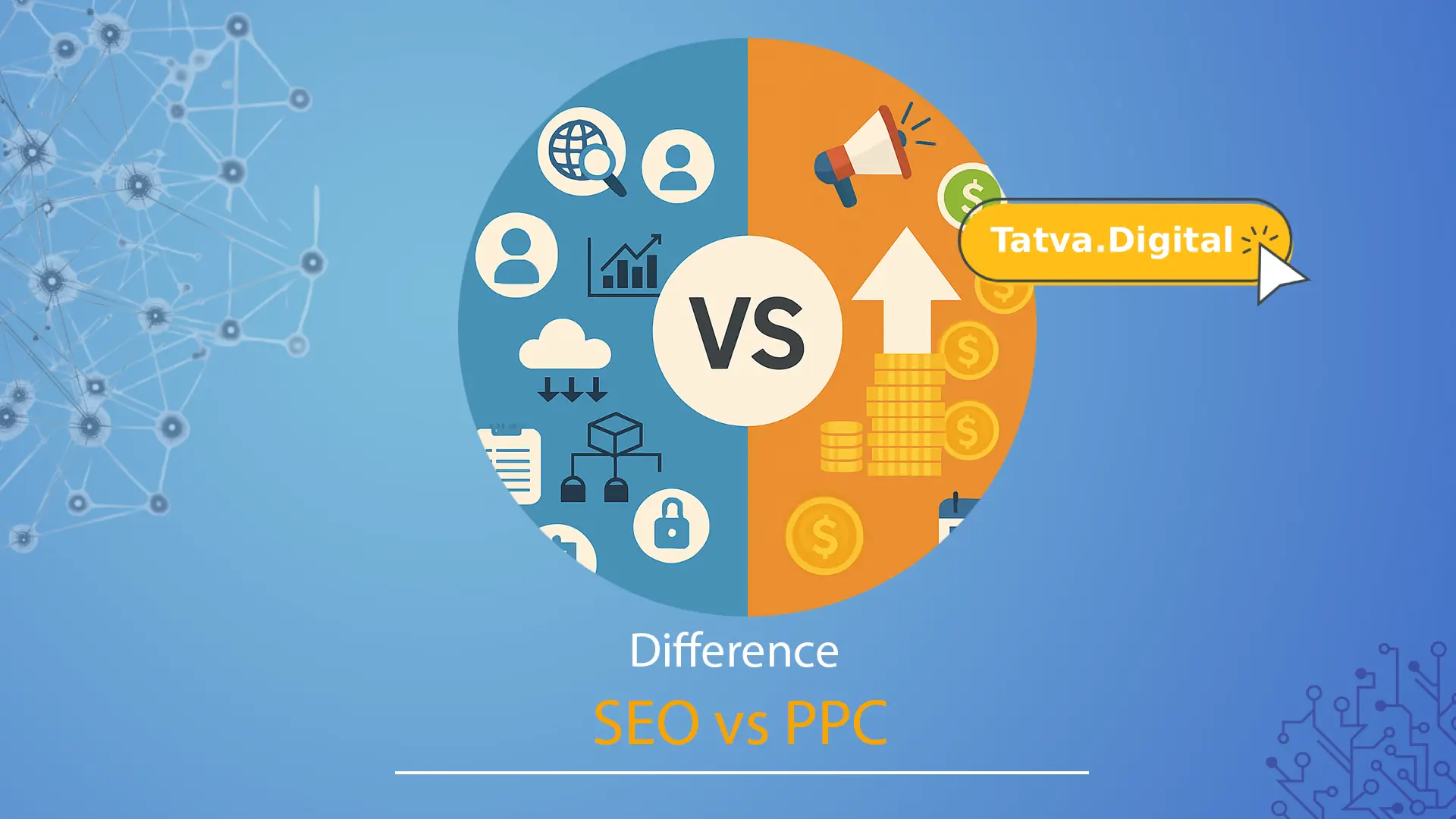
SEO vs PPC: Choosing the Right Strategy for Digital Marketing Success

SEO vs PPC: Choosing the Right Strategy for Digital Marketing Success In the rapidly evolving digital landscape, businesses constantly strive to increase their online visibility, attract relevant traffic, and convert visitors into customers. Two of the most prominent strategies for achieving these goals are Search Engine Optimization (SEO) and Pay-Per-Click advertising (PPC). While marketers often debate which approach is superior, the truth is that both methods serve unique purposes and can complement each other when applied strategically. This article explores the nuances of SEO and PPC, highlights their respective advantages and limitations, and provides guidance on how to leverage both for optimal digital marketing results. Introduction: Understanding SEO and PPC Digital marketing is not a one-size-fits-all strategy. Businesses often face the question: should we focus on SEO or PPC? Both strategies aim to increase visibility on search engines but do so in fundamentally different ways. SEO is about enhancing your website’s content, structure, and authority to rank organically in search engine results. It builds long-term credibility and attracts consistent traffic without recurring ad spend. PPC, conversely, is a paid strategy where advertisers bid on keywords to display their ads prominently in search results. PPC delivers immediate traffic and highly targeted reach, but it requires ongoing investment. Understanding how each strategy works—and when to use it—is crucial for achieving measurable growth in a competitive digital environment. What is SEO? Search Engine Optimization (SEO) is the process of optimizing your website and its content to appear higher in organic search results. It focuses on improving visibility, building authority, and earning trust from both users and search engines. Key Components of SEO On-Page SEO Optimizing content with relevant keywords Writing compelling meta titles and descriptions Structuring content for readability and user engagement Internal linking to improve site navigation and authority Off-Page SEO Building high-quality backlinks from authoritative websites Social media engagement and brand mentions Guest posting and influencer collaborations Technical SEO Enhancing website speed and mobile responsiveness Ensuring proper site indexing and crawling Implementing HTTPS and structured data Benefits of SEO Long-Term Growth: Generates sustainable organic traffic over time Trust and Credibility: Organic search results are generally more trusted by users Cost Efficiency: Organic traffic does not incur ongoing costs per click Higher Click-Through Rates: Organic listings often attract more clicks than ads Limitations of SEO Delayed Results: Achieving high rankings can take months Algorithm Dependence: Search engines frequently update algorithms Competitive Landscape: High competition requires substantial effort Maintenance: Regular optimization and content updates are necessary What is PPC? Pay-Per-Click (PPC) advertising is a model where advertisers pay a fee each time their ad is clicked. It offers immediate visibility, precise targeting, and measurable results. Platforms such as Google Ads, Bing Ads, and social media channels support PPC campaigns. Key Components of PPC Keyword Selection and Bidding Advertisers bid on relevant keywords Placement depends on bid amount, ad relevance, and quality score. Ad Copy and Creative Design Engaging headlines and descriptions Visuals and call-to-action buttons Ad extensions to improve click-through Landing Page Optimization Direct users to pages designed to convert visitors into leads or customers Performance Tracking Monitor impressions, clicks, conversions, and return on ad spend (ROAS)   Benefits of PPC Immediate Results: Ads appear instantly Targeted Reach: Segment audiences by demographics, location, device, and behavior Measurable Impact: Track every click, impression, and conversion Flexible Budgeting: Adjust campaigns in real-time based on performance Limitations of PPC Cost: Traffic stops when the budget ends Short-Term Nature: Benefits vanish once campaigns are paused Learning Curve: Requires expertise in bidding, targeting, and analytics Click Fraud Risk: Competitors or bots may click ads without genuine intent Comparing SEO and PPC Both SEO and PPC have distinct strengths, and understanding their differences can help marketers make informed decisions. Cost Considerations SEO: Investment is mainly in content, technical optimization, and backlinks; long-term benefits reduce ongoing costs PPC: Recurring costs depend on clicks or impressions; careful budget management is essential Time to Results SEO: Results may take months but are long-lasting PPC: Provides instant visibility, ideal for time-sensitive campaigns Traffic and Visibility SEO: Organic traffic grows steadily and can surpass paid traffic in the long term PPC: Paid campaigns guarantee top placement while active Conversion Potential SEO: Organic traffic is often more trusted, improving engagement and conversion rates PPC: Highly targeted ads can generate quick conversions for specific promotions Strategic Use Cases: When to Choose SEO or PPC Businesses should evaluate their goals, timelines, and industry competitiveness when deciding between SEO and PPC. Short-Term Goals PPC is ideal for: Product launches Seasonal promotions Limited-time offers Testing marketing messages Long-Term Goals SEO is suitable for: Building brand authority Sustaining organic traffic Establishing credibility Reducing long-term marketing costs Competitive Industries In highly competitive sectors, combining SEO and PPC often yields the best results. PPC ensures immediate visibility while SEO builds sustainable organic growth over time. Combining SEO and PPC for Maximum Impact Instead of choosing one over the other, integrating both strategies often produces the best outcomes: Keyword Synergy: Use PPC insights to guide SEO content creation Remarketing: Target visitors who came through organic search with PPC ads to improve conversions Content Testing: Test headlines, ad copy, and landing pages through PPC before optimizing SEO content Comprehensive Visibility: Appear in both paid and organic search results to boost credibility and clicks A combined strategy balances short-term gains with long-term growth. Measuring Effectiveness in SEO and PPC Tracking and analyzing key metrics ensures campaigns are optimized and budgets are efficiently allocated. SEO Metrics Organic traffic growth Keyword rankings Domain authority and backlink quality User engagement metrics (bounce rate, time on site) Conversion rate from organic traffic PPC Metrics Click-through rate (CTR) Cost-per-click (CPC) Conversion rate and cost per conversion Return on ad spend (ROAS) Ad relevance and quality scores Common Misconceptions SEO is free: Building a strong SEO foundation requires investment in content, tools, and technical optimization PPC guarantees success: Ads must be properly targeted and optimized to avoid wasted spend SEO is outdated: Modern SEO integrates user experience, mobile optimization, and … Read more