info_tatva, Author at Tatvatech Digital Private Limited - Page 4 of 6

Digital Marketing Strategies to Increase Real Estate Sales in 2025–26
Digital Marketing Strategies to Increase Real Estate Sales

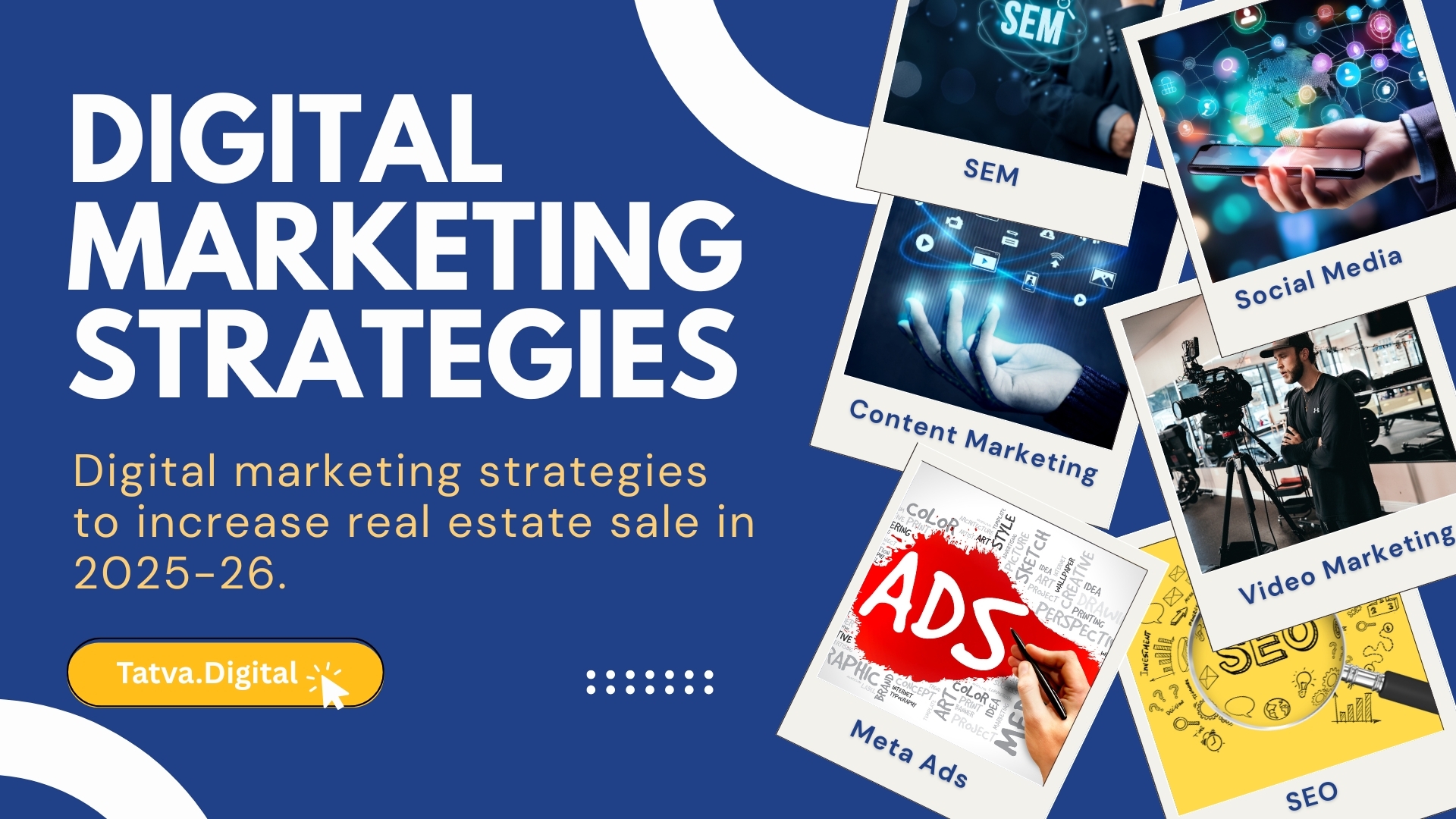
Digital marketing strategies to increase real estate sales adoption in real estate have accelerated dramatically in the past few years. Most buyers now begin their research online, evaluating projects long before they speak to a sales representative. Because of this shift, developers who embrace digital marketing gain more visibility, generate qualified leads, and close bookings faster. Those who still depend only on traditional advertising often struggle to maintain consistent sales. Tatvatech Digital, a trusted real estate marketing agency in Noida, helps builders, brokers, and developers use digital channels more effectively. The strategies below explain how real estate brands can increase sales in 2025–26 with a structured approach. How Are Real Estate Buyers Searching Online in 2025–26, and Why Does It Matter? Property buyers have become far more informed than ever before. They compare multiple projects, explore location advantages, check builder credibility, and consume content that helps them make better decisions. This behavior shapes how your digital marketing funnel should work. ● Instant access to information is essential Users expect quick responses through WhatsApp automation, fast-loading websites, and easy-to-read project details. ● Credibility influences buying decisions Strong SEO visibility, project videos, online reviews, and digital branding allow buyers to trust a builder much faster. ● Buyers consider several options Retargeting ads and remarketing reminders ensure your project stays top-of-mind even when buyers browse competitors. ● Personalized nurturing improves conversions Automation tools and CRM workflows help your team follow up efficiently, increasing the chances of generating site visits. Tatvatech Digital studies user behavior for every project, helping developers understand which digital touchpoints influence buyer actions the most.  How Can PPC, SEM, and Meta Ads Deliver High-Intent Real Estate Leads? Paid advertising remains one of the strongest ways to reach buyers who are ready to invest. Platforms like Google, Meta, and YouTube allow precise targeting, helping developers reach people actively searching for properties. Specialized Real estate PPC services and Real estate SEM services from Tatvatech Digital help bring high-quality enquiries at a stable CPL. ● Google Search ads capture strong buyer intent Users looking for terms like “luxury flats in Gurugram” or “2 BHK in Noida Extension” are close to taking action. ● Display and YouTube ads build brand visibility Project walkthroughs, location highlights, and awareness banners create familiarity and trust. ● Real estate Meta ads marketing reaches wider audiences Facebook and Instagram are ideal for promoting mid-segment and investment-focused projects. ● Retargeting converts warm audiences People who visited your website or interacted with your ads are shown reminders, making conversions more likely. ● AI-led optimization ensures faster results Automated bidding, conversion tracking, and performance rules help improve efficiency and reduce cost per lead. How Do SEO, Content Marketing, and Branding Boost Real Estate Sales? Paid campaigns generate quick results, but organic visibility sustains growth over the long term. A qualified real estate SEO company builds authority for your website and ensures it ranks for keywords buyers frequently search. ● On-page SEO strengthens website rankings Optimized pages target high-volume search terms like “commercial property in Delhi NCR” or “flats in Noida Extension.” ● Local SEO improves map visibility Better ranking on Google Maps helps generate walk-in visits and local inquiries, especially with keywords such as real estate marketing company in Delhi NCR. ● High-intent blog content attracts ready buyers Topics like why real estate ads are not working, how to reduce CPL in real estate ads, and how to get real estate leads bring users with strong purchase intent. ● Brand reputation drives conversions Video storytelling, digital brochures, PR articles, and professionally designed landing pages increase perceived value. Tatvatech Digital, known as one of the best real estate marketing agencies in India, uses a blend of SEO, content, and branding to position properties as premium and trustworthy.  How Can Social Media, Video Marketing, and Influencers Enhance Buyer Trust? Social platforms influence buying decisions more than ever. People consume walkthroughs, drone shots, interior videos, expert reviews, and lifestyle content before making a site visit request. Partnering with a real estate social media marketing company helps you create engaging content that drives trust. ● Video walkthroughs create emotional appeal Buyers can visualize layouts, amenities, and site surroundings even before visiting. ● Lifestyle-focused content attracts aspirational buyers Stories about community life, connectivity, and amenities help users imagine living in the project. ● Local influencers add authenticity Creators from Noida, Mumbai, Pune, or Bangalore bring strong regional credibility. ● High-performing reels and carousels generate enquiries Short-form content reaches massive audiences and brings affordable leads. ● Community channels nurture long-term interest WhatsApp groups and Telegram channels work well during pre-launch and festive campaigns. Consistent social presence builds authority, helping cold leads warm up faster. How Can Automation, CRM, and Lead Nurturing Increase Site Visits and Final Bookings? Lead generation is only the first step. The real challenge begins with nurturing. Many real estate brands lose potential buyers because they don’t respond quickly or track leads properly with IOT services. A strong real estate automation and CRM setup eliminates these gaps. ● Instant WhatsApp replies improve engagement Buyers receive brochures, pricing details, and location maps within seconds. ● Lead scoring identifies serious buyers Your sales team spends more time on people most likely to book. ● Automated workflows maintain consistent follow-ups Structured reminders via SMS, email, and WhatsApp keep buyers connected. ● CRM dashboards increase team performance visibility Managers can track every inquiry and ensure no lead goes unanswered. ● AI-driven reports guide better decisions Builders understand which ads, keywords, or platforms generate the highest-quality inquiries. Tatvatech Digital installs complete CRM automation systems that help convert generated leads into physical site visits and eventual sales.Digital Marketing Strategies to Increase Real Estate Sales Conclusion Digital marketing has become a central part of the real estate sales process. Developers who blend PPC, SEO, branding, automation, and a strong social presence are consistently achieving higher booking numbers than those relying only on offline methods. Tatvatech Digital, a leading digital marketing strategies company to increase real estate sales in Noida, delivers integrated strategies … Read more
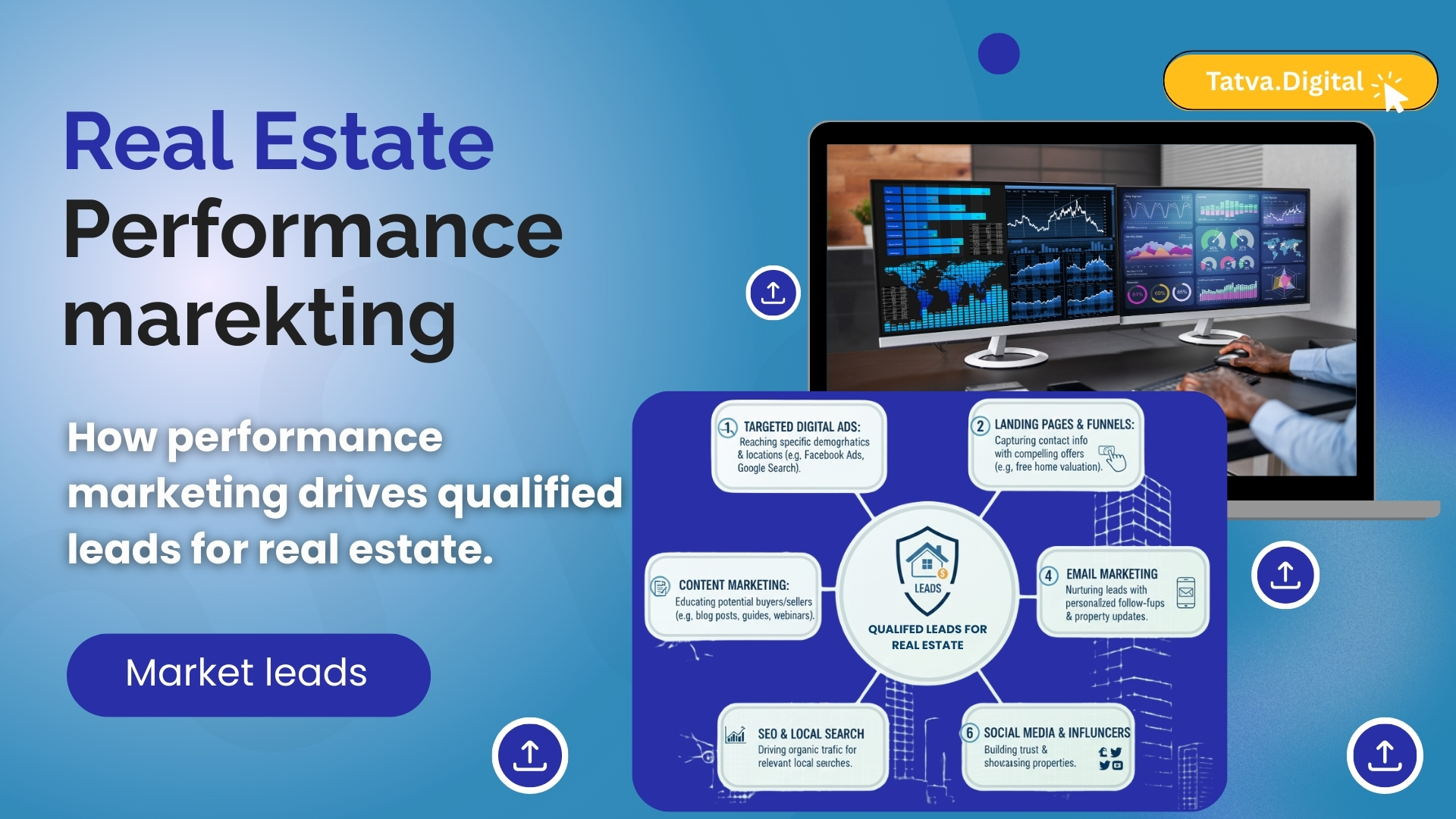
How Performance Marketing Drives Qualified Leads for Real Estate

Performance marketing for qualified real estate leads

Performance marketing for qualified real estate leads The real estate industry has become fiercely competitive—buyers now research online, compare projects, check reviews, watch videos, and only trust developers who maintain a strong digital presence. This shift has made traditional marketing less effective and pushed developers toward performance marketing, a model where every rupee spent must show measurable results. Brands today are no longer asking for “more leads”—they want qualified, high-intent, site-visit-ready leads. And this is exactly where performance marketing shines.In this blog, we’ll explore how platforms like PPC, SEM, Meta Ads, automation, CRM, SEO, and content marketing—offered by expert agencies like Tatvatech Digital—help real estate companies achieve predictable growth. Why Is Performance Marketing the Most Reliable Way to Generate Qualified Real Estate Leads? Performance marketing for qualified real estate leads is built on trackable, measurable actions—such as form fills, calls, WhatsApp chats, or site visit confirmations. Unlike hoardings or newspapers, you know exactly who clicked, inquired, and converted. Tatvatech Digital uses performance-driven systems that focus on buyer intent, ensuring developers connect with prospects who are actively looking for a property. Key advantages include:• Higher quality leads from precise targeting• Full transparency on spending, CPL, and CPA• Real-time optimization and automation• Focus on conversions instead of impressions• Seamless tracking through CRM setups Performance marketing for qualified real estate leads ensures that every digital touchpoint—PPC, SMM, Meta Ads, or SEO—pushes the project toward the right audience segment. How Do Real Estate PPC and SEM Services Bring High-Intent Buyers? Google Ads remains the strongest channel for real estate because people searching online usually have buying intent. When someone searches “3 BHK flats in Noida” or “ready-to-move property in Delhi NCR,” they are already in the market. Tatvatech Digital uses real estate PPC services and real estate SEM services to capture these moments. How PPC + SEM deliver qualified leads:• Push your project to the top of Google search instantly• Target only high-intent buying keywords• Use custom ad groups for each audience segment• Optimize ads to reduce CPL and increase conversion• Track leads through landing pages and CRM Top conversion keywords include:• How to get real estate leads• Real estate buyer leads online• Increase real estate sales through digital marketing• How to generate site visit leads• How to reduce CPL in real estate ads When search demand rises during launches or festive seasons, PPC helps developers dominate visibility and capture the highest share of the buyer market. Google Keyword Planner for real estate keyword research.  How Do Meta Ads and Social Media Marketing Create Demand for New Projects? Meta Ads (Facebook + Instagram) are ideal for targeting audiences based on lifestyle, income, demographics, and interests—perfect for real estate branding and lead generation campaigns.Tatvatech Digital, a leading real estate social media marketing company, uses Meta Ads to build desire, trust, and excitement around new project launches. What Meta Ads help achieve:• Project awareness among premium or mid-income audiences• Visual storytelling through reels, videos, and carousel ads• Re-targeting warm leads who visited the website• Real-time audience refinement to improve CPL• Building a brand image for developers This is especially useful when developers struggle with:• Why real estate ads are not working• High CPL• Poor-quality leads• Low site visit turnout Smart creatives + strong audience targeting = stronger conversions. How Do SEO and Content Marketing Bring Consistent, Low-Cost Real Estate Leads? While PPC gives instant results, SEO builds long-term trust, authority, and organic qualified leads. A strong SEO strategy by a top real estate SEO company ensures your project ranks on Google for high-demand keywords like • “Best real estate project in Noida Extension”• “Luxury apartments in Delhi NCR”• “New residential projects in Noida” Tatvatech Digital also works as a real estate content marketing agency, creating conversion-focused content such as:• Project blogs• Location guide articles• Investment opportunity content• Real estate FAQs• Landing page copy SEO and content benefits:• 24/7 organic traffic• High buyer intent from non-paid sources• Lower cost per lead in the long run• Better Google ranking for the developer  How Do Automation and CRM Setup Improve Lead Quality and Conversion Rates? Qualified leads are not enough—developers need nurturing and sales support. This is where real estate automation and CRM setup become powerful. Tatvatech Digital integrates CRM tools like LeadSquared, HubSpot, or Zoho to automate the entire buyer journey. Automation benefits include:• Instant WhatsApp replies to leads• Auto SMS + email sequences• Lead scoring to identify hot buyers• Sales team reminders and follow-ups• Tracking site visit confirmations• Reducing leakages across campaigns This ensures that no lead is lost due to delays, manual errors, or missed communication. Real-life impact:• Faster response time• Higher site visit conversions• More bookings per campaign• 20–40% reduction in CPL Most importantly, automation ensures developers get only sales-ready prospects, which improves ROI significantly. How Tatvatech Digital Helps Real Estate Developers Grow Predictably Tatvatech Digital is recognized as a company that explains why real estate developers need a digital marketing company, delivering high-performance campaigns for builders, brokers, and property consultants across India. Our services include:• Real estate PPC services• Real estate SEM services• Real estate Meta ads marketing• Real estate branding and marketing• Real estate SEO company solutions• Real estate content marketing agency services• Real estate automation and CRM setup• Creative, video ads, landing pages If you’re searching for the best real estate marketing agency in India, Tatvatech Digital offers full-funnel digital solutions designed to increase site visits, reduce CPL, and drive qualified buyer leads. Frequently Asked Questions (FAQ) 1. How does performance marketing help real estate developers?It brings measurable, high-intent leads through PPC, SEM, SEO, Meta Ads, automation, and CRM systems. 2. How can I reduce my real estate ads’ CPL?By optimizing keywords, improving landing pages, refining audiences, and using remarketing strategies. 3. Which digital channel generates the highest-quality real estate leads?Google Search (PPC / SEM) because users actively search for property-related keywords. 4. Why are my real estate ads not working?Poor targeting, weak creatives, slow landing pages, or no CRM automation may be harming your results. 5. What is the best real … Read more

Why Real Estate Developers Need a Digital Marketing Company

Digital Marketing for Real Estate Developers

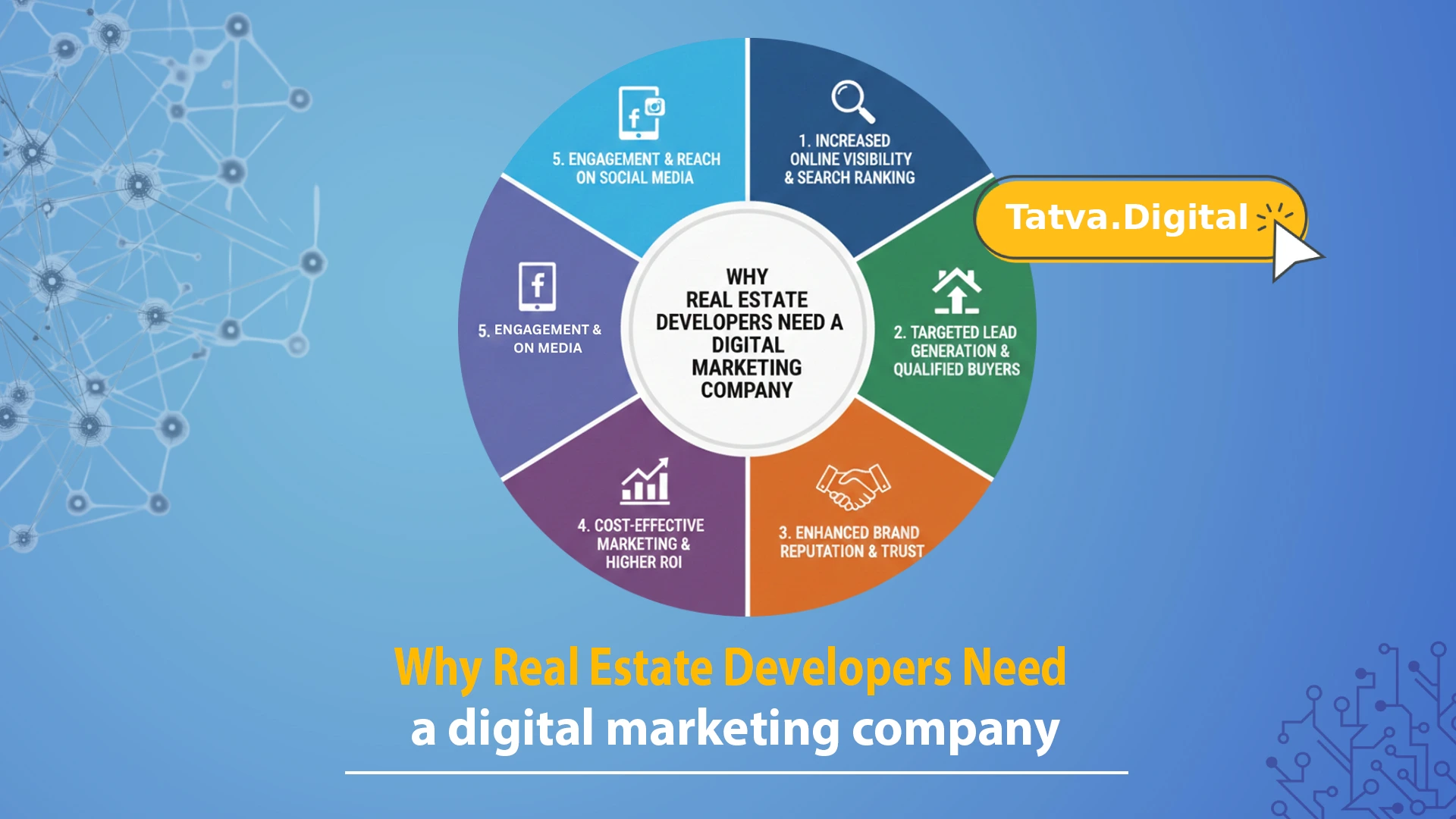
Digital Marketing for Real Estate Developers The real estate market is changing rapidly. Traditional advertising methods like newspaper ads, billboards, and cold calling no longer deliver consistent results. Buyers now search online for properties, compare options, and make decisions digitally. For developers, this shift means one thing: investing in digital marketing is no longer optional—it is essential. A professional digital marketing company can help developers reach the right audience, generate high-quality leads, and increase property sales. Tatvatech Digital, a leading Why Real Estate Developers Need a Digital Marketing Company, specializes in performance marketing-driven campaigns that reduce cost per lead (CPL) and maximize ROI. How Can a Digital Marketing Company Help Developers Generate Leads? Generating leads in real estate requires more than running ads. Developers need strategies that target buyers ready to make a purchase. Digital marketing companies use tools like real estate PPC services and real estate SEM services to reach these high-intent buyers online. Social media platforms also play a key role. Through real estate Meta Ads marketing, campaigns can target buyers based on demographics, interests, and online behavior. This ensures that developers spend their marketing budget on people who are most likely to convert. Content marketing is another powerful tool. A real estate content marketing agency can create property guides, blogs, and informative articles that educate buyers and build trust. When combined with automation and a CRM system, all leads are tracked, nurtured, and followed up efficiently. This integrated approach helps developers generate real estate buyer leads online consistently. Why Do Developers Struggle Without a Digital Marketing Partner? Many developers try to manage marketing in-house. This often leads to wasted time and money. Traditional advertising methods can be expensive and produce low-quality leads. Without expert guidance, tracking which campaigns work becomes difficult, leaving developers uncertain about their ROI. A digital marketing company solves these problems by providing actionable insights and performance tracking. Analytics dashboards reveal which campaigns generate leads, how buyers interact with content, and which channels drive sales. This data allows developers to adjust strategies in real time, reduce CPL, and maximize ROI. External resources like digital marketing strategies for real estate provide guidance, but a dedicated company like Tatvatech Digital applies these strategies effectively and tailors them to each developer’s projects. How Can Digital Marketing Increase Property Sales? Digital marketing boosts sales by focusing on buyers ready to make a decision. Paid campaigns, such as PPC and SEM, position properties where buyers are actively searching. Social media campaigns using Meta Ads reach targeted audiences, creating brand awareness and engagement. Content marketing educates buyers and establishes credibility. Blogs, property guides, and virtual tours help buyers feel confident and informed. Meanwhile, automation and CRM systems ensure that every lead is followed up promptly. Developers can track interactions, send personalized messages, and nurture leads until they convert. This approach allows developers to increase real estate sales through digital marketing while minimizing wasted spending. Every marketing activity becomes measurable and accountable. What Services Do Developers Need from a Digital Marketing Company? Developers need a mix of services to succeed online. These include real estate branding and marketing, SEO to improve organic search rankings, PPC and SEM campaigns to generate leads quickly, and Meta Ads marketing and YouTube optimization for targeted social media campaigns. Content marketing builds authority and engages potential buyers. At the same time, automation and CRM systems manage leads efficiently, track interactions, and optimize follow-ups. Tatvatech Digital, a top real estate performance marketing company in Noida, offers a full suite of services. Their integrated approach ensures developers can generate leads online, reduce CPL, and convert prospects into buyers.  How Can Developers Adopt Digital Marketing Successfully? Adopting digital marketing requires planning, strategy, and execution. Developers should start by partnering with a real estate marketing company in Delhi NCR like Tatvatech Digital. Campaigns should integrate branding and digital marketing to maintain consistency. Targeting should focus on buyers with high intent, while automation ensures leads are managed efficiently. Developers should also test campaigns regularly to understand why real estate ads are not working and optimize them before scaling. A successful strategy combines SEO, content marketing, PPC, SEM, Meta Ads, and CRM automation. This multi-channel approach helps developers generate high-quality leads online, reduce marketing costs, and increase property sales consistently. Conclusion In 2025-26, developers cannot rely on traditional marketing alone. Digital marketing provides data-driven strategies, measurable results, and higher ROI. By partnering with Tatvatech Digital, developers gain access to performance marketing, SEO, PPC, Meta Ads, content marketing, and ORM automation—all designed to generate buyer leads online, reduce CPL, and boost property sales. A professional digital marketing company ensures campaigns are strategic, targeted, and optimized, helping developers stay ahead in a highly competitive market. FAQ Q1. Why do real estate developers need a digital marketing company?They need expert guidance to generate high-quality leads, reduce CPL, and increase property sales effectively. Q2. How can developers generate real estate buyer leads online?Through PPC, SEM, Meta Ads marketing, content marketing, and CRM automation. Q3. What services should developers look for?SEO, PPC, SEM, Meta Ads, content marketing, branding, and automation/CRM services. Q4. How do developers reduce CPL in real estate ads?Target high-intent buyers, optimize campaigns regularly, use remarketing, and track performance with analytics. Q5. Can Tatvatech Digital handle all real estate digital marketing needs?Yes. Tatvatech Digital provides end-to-end services, including SEO, PPC, SEM, Meta Ads, content marketing, social media campaigns, and automation. About Us Business Name: Tatvatech Digital Private Limited Tatvatech Digital Private Limited is an emerging eCommerce platform offering a diverse range of products, including electronics, home essentials, fashion, beauty, and lifestyle goods. Our mission is to combine quality, convenience, and customer satisfaction through innovation and reliability. Under our brand DNA eStore, we aim to connect global customers with high-quality products that enhance everyday living. Contact Us Contact: +91-8130110203 Email: ecommerce@tatva.digital Trade Name: Tatvatech Digital Private Limited Address: A-8, Block B, Sector 68, Noida 201306, Uttar Pradesh, India. Follow us for more updates: Instagram: https://www.instagram.com/tatvatechdigitalpvtltd/ Facebook: https://www.facebook.com/share/1BY7FF4Kuy/ Twitter: https://x.com/tatvatechdigi Youtube: https://www.youtube.com/@TatvaTechDigital LinkedIn: https://www.linkedin.com/company/tatvatech-digital-pvt-ltd/    

Why Performance Marketing Beats Traditional Real Estate Advertising in 2025-26?

Performance marketing for real estate

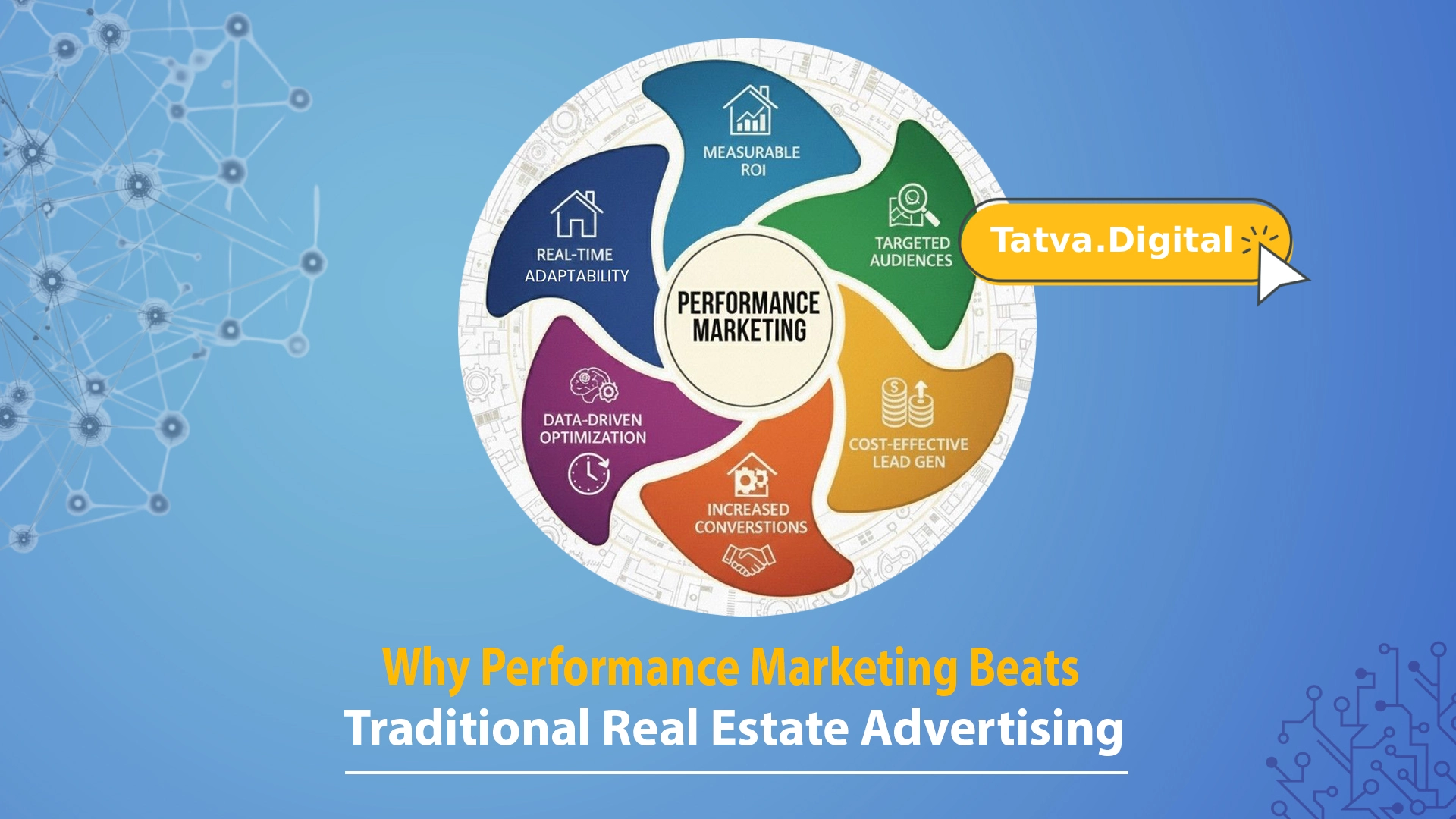
In 2025-26, performance marketing for real estate landscapes is evolving faster than ever. Traditional methods like newspaper ads, billboards, and cold calling are giving way to data-driven performance marketing strategies that deliver measurable results. Tatvatech Digital, a top real estate digital marketing agency in Noida, is leading this transformation—helping property developers and real estate companies leverage technology to generate high-quality leads, reduce cost per lead (CPL), and boost sales. How is performance marketing transforming real estate lead generation? Performance marketing delivers measurable results, unlike traditional advertising, which depends mostly on reach and impressions. For real estate businesses, it allows them to track campaigns, analyze performance, and optimize strategies. This helps generate high-quality leads, lower cost per lead (CPL), and increase conversions. By using data, analytics, and digital tools, real estate marketers can reach the right audience at the right time through social media, Google Ads, or email campaigns. This approach ensures that marketing efforts turn into real inquiries, site visits, and property sales, providing a clear return on investment in a competitive market. Real estate PPC services allow precise targeting of buyers searching for properties online. Real estate SEM services help your listings appear at the top of search results, driving high-intent traffic. Real estate Meta ads marketing enables hyper-targeted campaigns based on demographics, interests, and behavior. Real estate automation and CRM setup streamline follow-ups, increasing conversion rates. With performance marketing and content marketing, real estate companies can generate real estate buyer leads online efficiently, reducing wasted spending and increasing ROI. Why do digital strategies outperform traditional ads in boosting sales? Traditional ads are expensive, difficult to track, and often fail to convert. Performance marketing focuses on measurable outcomes: Trackable ROI through analytics dashboards. Increase real estate sales through digital marketing using targeted campaigns. Real-time optimization of campaigns to reduce CPL. Personalized content marketing campaigns that resonate with potential buyers. Ability to test real estate marketing ideas for new projects before full-scale launch. Tatvatech Digital ensures every campaign drives results, helping businesses maximize their sales without unnecessary costs. How can performance marketing reduce costs and improve efficiency? One of the biggest challenges in real estate advertising is wasted spending. Performance marketing tackles this with: How to reduce CPL in real estate ads by targeting only qualified leads. Automated remarketing to nurture leads who showed interest but didn’t convert. Efficient use of real estate social media marketing company services to maximize engagement. Data-driven decisions from analytics for budget optimization. Compared to traditional print or outdoor campaigns, performance marketing ensures every rupee spent contributes to conversions. Which performance marketing channels deliver the highest ROI for real estate? A modern real estate marketing strategy combines multiple channels: Real estate SEO company services for organic search visibility. Real estate content marketing agency for blogs, guides, and listings that attract buyers. Paid campaigns like real estate PPC services and real estate SEM services. Social media campaigns through real estate Meta ads marketing. Integrated CRM and automation for lead nurturing. Tatvatech Digital’s multi-channel approach ensures high-quality real estate buyer leads online with measurable results. How can real estate companies adopt performance marketing successfully Adopting performance marketing requires a strategic approach: Partner with a real estate performance marketing company in Noida like Tatvatech Digital. Invest in real estate automation and CRM setup to track and convert leads. Regularly test campaigns for why real estate ads are not working to optimize performance. Combine real estate branding and marketing with digital campaigns for stronger engagement. Leverage digital marketing strategies for real estate to stand out in a competitive market. By implementing these strategies, real estate companies can move beyond traditional methods and achieve sustainable growth. Conclusion: In 2025-26, performance marketing clearly outshines traditional advertising for real estate companies. By leveraging data, automation, and multi-channel strategies, businesses can generate more leads, improve conversions, and achieve measurable results. Partnering with experts like Tatvatech Digital ensures your real estate marketing campaigns are future-ready, efficient, and highly profitable. FAQ Q1. What is performance marketing in real estate? Performance marketing is a results-driven approach where campaigns are optimized for measurable actions, such as leads, clicks, or conversions. Q2. How can I generate real estate buyer leads online? Through targeted PPC, SEO, Meta ads, and content marketing campaigns combined with CRM automation for follow-ups. Q3. Why are traditional real estate ads less effective in 2025-26? Traditional ads are costly, lack precise targeting, and provide limited tracking, leading to lower ROI compared to performance marketing. Q4. How do I reduce CPL in real estate ads? Optimize targeting, use data-driven campaigns, implement remarketing, and continually monitor and adjust ads based on performance. Q5. Can Tatvatech Digital help with all real estate digital marketing needs? Yes. Tatvatech Digital offers end-to-end services, including SEO, PPC, SEM, Meta ads, content marketing, social media campaigns, and automation. About Us Business Name: Tatvatech Digital Private Limited Tatvatech Digital Private Limited is an emerging eCommerce platform offering a diverse range of products, including electronics, home essentials, fashion, beauty, and lifestyle goods. Our mission is to combine quality, convenience, and customer satisfaction through innovation and reliability. Under our brand DNA eStore, we aim to connect global customers with high-quality products that enhance everyday living. Contact Us Contact: +91-8130110203 Email: ecommerce@tatva.digital Trade Name: Tatvatech Digital Private Limited Address: A-8, Block B, Sector 68, Noida 201306, Uttar Pradesh, India. Follow us for more updates: Instagram: https://www.instagram.com/tatvatechdigitalpvtltd/ Facebook: https://www.facebook.com/share/1BY7FF4Kuy/ Twitter: https://x.com/tatvatechdigi Youtube: https://www.youtube.com/@TatvaTechDigital LinkedIn: https://www.linkedin.com/company/tatvatech-digital-pvt-ltd/

Credit Co-operative ERP Solutions: Why Do Custom Development Services Matter for Finance & Compliance?

Credit Co-operative ERP Solutions

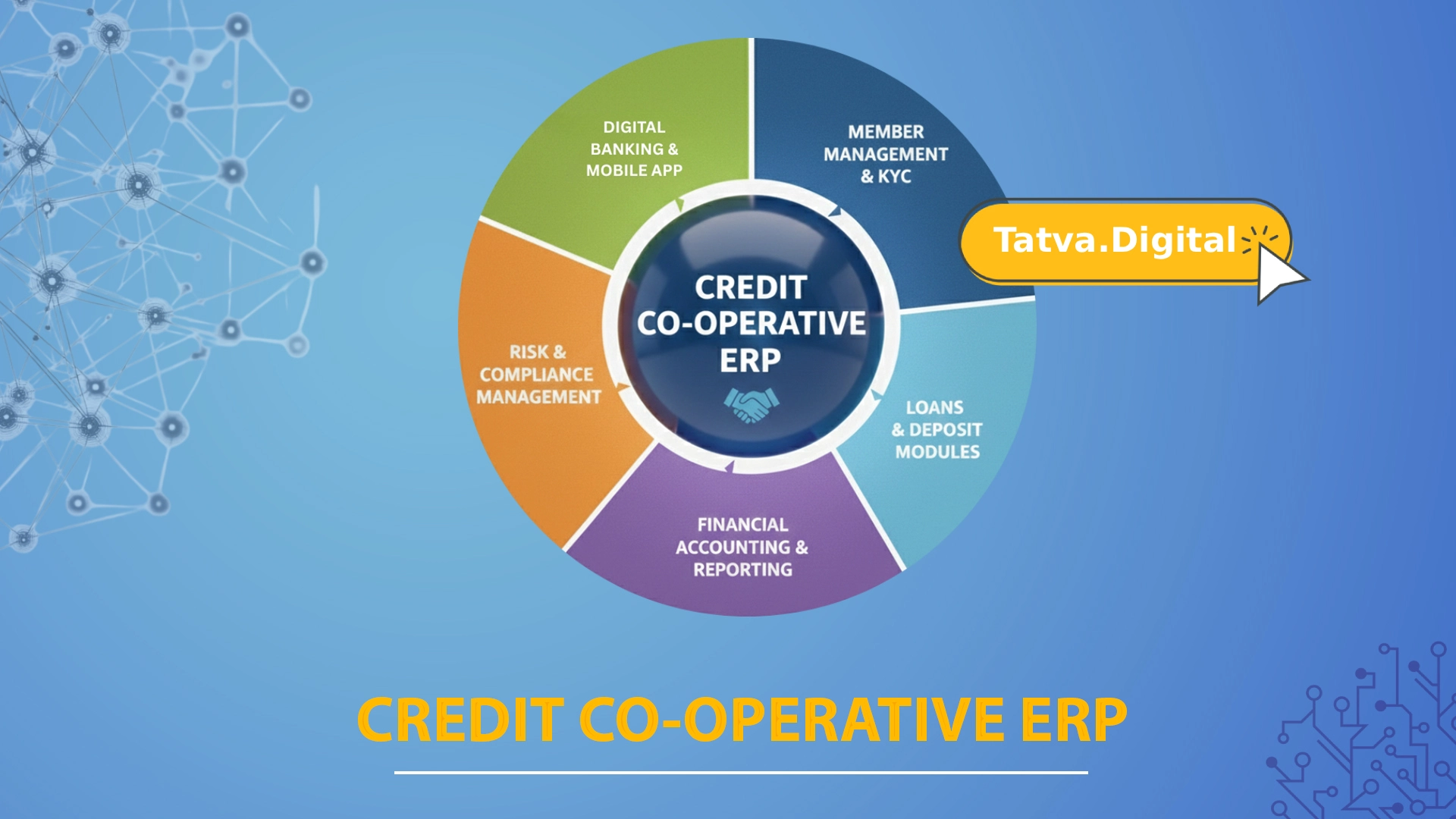
Credit co-operatives operate in a sector where trust, transparency, and efficient financial management are essential. As regulations tighten and members expect faster and more secure services, relying on outdated tools or generic financial software becomes a major risk. This is the reason credit co-operative ERP solutions development is now a priority for progressive co-operatives aiming to modernize operations responsibly and sustainably. Custom ERP systems bring automation, precision, compliance, and operational clarity—benefits that every co-operative needs to function smoothly. In this blog, we explore why credit co-operatives require custom ERP systems, how they improve regulatory compliance, and why partnering with Tatvatech Digital can significantly enhance your organization’s performance. Why Are Custom ERP Solutions Essential for Today’s Credit Co-operatives? Credit co-operatives are unique institutions. Their structure, financial products, legal obligations, and member-driven models differ significantly from banks, NBFCs, or microfinance companies. This uniqueness means standard finance software rarely fits perfectly. Custom credit co-operative ERP solutions are designed to accommodate the exact business model, allowing financial activities to operate with accuracy, consistency, and traceability. Key reasons custom ERP solutions matter: • Tailored Workflows for All Co-operative Operations: Membership management, share tracking, recurring deposits, loan cycles, dividends, and daily accounting require specialized modules. Custom ERP tools ensure each workflow reflects your actual processes—not generic assumptions. • Automated Financial Processes: Manual entries lead to delays, errors, and unnecessary costs. A customized ERP automates interest calculations, recurring payments, EMI schedules, financial entries, and reporting. • Enhanced Security and Controlled Access: Co-operatives handle sensitive financial data. Custom ERP systems provide role-based access, strong authentication, and audit logs to ensure safety and accountability. • Scalable for Growing Member Bases: As membership increases, so does transaction volume. A custom-built ERP can scale effortlessly, supporting future expansion without system failures. Custom development ensures the software grows with your co-operative rather than limiting it. How Do Custom ERP Solutions Improve Finance, Transparency & Compliance? Compliance and financial accuracy are the backbone of any credit co-operative. Errors, delays, or missing documentation can create legal liabilities and damage member trust. A custom ERP directly addresses these concerns. Real-Time Financial Monitoring & Accuracy: A well-developed ERP solution centralizes all financial records—from savings accounts to loan ledgers—ensuring every number is accurate and updated instantly. This supports: Reliable income and expenditure records Faster decision-making Stronger financial forecasting Immediate visibility into co-operative health  Automated Regulatory Compliance: Credit co-operatives must follow strict guidelines on reporting, interest calculations, KYC, and audits. Custom ERP tools include embedded compliance rules that automatically: Generate statutory reports Validate member KYC Enforce internal lending rules Maintain proper documentation This prevents non-compliance by making regulatory adherence part of daily operations. Transparent Audit Trails: Every action taken in the ERP—whether financial or administrative—is recorded with timestamps and user references. This is essential for: Internal audits External inspections Fraud prevention Accountability and governance  Error-Free Accounting Integration: Accounting modules within custom ERP solutions ensure that every transaction updates the ledgers accurately, eliminating duplication or mismatched entries. Tatvatech Digital specializes in developing compliance-focused ERP platforms that make governance smoother, more predictable, and audit-ready. What Key Features Should a Credit Co-operative ERP Include for Maximum Impact? When investing in credit co-operative ERP solutions development, it’s important to ensure the system includes all essential modules designed specifically for co-operative operations. Below are the most important features: Member & Share Management Module: Manage member profiles, share contributions, certificates, transfers, and dividend distribution efficiently. Loan Management System: Handle loan applications, approvals, disbursement, EMI schedules, interest settings, overdue tracking, and closure documents—all automatically. RD/FD/Savings Account Automation: Track recurring deposits, fixed deposits, and savings accounts with customizable interest setups and maturity reports. Integrated Accounting System: Generate automated journal entries, balance sheets, ledgers, profit & loss reports, and GST/TDS calculations if applicable. MIS & Regulatory Reporting Tools: Support audits and compliance with customizable reports for authorities, internal committees, and management teams. Mobile and Web-Based Portals: Enable convenience and transparency for both members and staff with online services and dashboards. Advanced Security & Backup Protocols: Ensure safe data storage, encrypted transactions, and reliable backup systems. A development partner like Tatvatech Digital can customize these features to match your co-operative’s exact operational and regulatory needs. Why Should Co-operatives Choose Tatvatech Digital for ERP Development? Choosing the right technology partner is crucial, as ERP development affects the long-term stability of your financial operations. Tatvatech Digital offers deep expertise in designing financial systems tailored for co-operatives, ensuring performance, security, and compliance. What Makes Tatvatech Digital a Reliable ERP Technology Partner? Industry Expertise: Specialized experience in building ERP systems for credit co-operatives and financial institutions. Custom Workflow Design: ERP flows created to match your internal rules and financial processes. Compliance-Focused Architecture: Tools designed to meet regulatory requirements without extra manual checks. Strong Security Frameworks: Advanced encryption, secure authentication, and access controls. Scalable & Future-Proof Solutions: Systems built to grow with your organization. Ongoing Support & Maintenance: Continuous updates, troubleshooting, and enhancements post-deployment. With Tatvatech Digital, your ERP becomes a stable foundation for efficient operations, transparency, and long-term digital transformation. FAQs  1. What makes custom ERP solutions better than ready-made financial software? Ready-made software may not match co-operative workflows. Custom ERP solutions adapt to your organization’s exact processes, rules, and compliance needs. 2. How does ERP help maintain financial accuracy? It automates calculations, integrates accounting, centralizes data, and eliminates manual errors—ensuring real-time financial accuracy. 3. Can a custom ERP handle large member databases? Yes. Custom ERP systems are scalable and designed to support high volumes of member data and transactions. 4. Why is Tatvatech Digital recommended for ERP development? Tatvatech Digital provides domain-specific expertise, customized workflows, secure architecture, and long-term support tailored to credit co-operatives. About Us Business Name: Tatvatech Digital Private Limited Tatvatech Digital Private Limited is an emerging eCommerce platform offering a diverse range of products, including electronics, home essentials, fashion, beauty, and lifestyle goods. Our mission is to combine quality, convenience, and customer satisfaction through innovation and reliability. Under our brand DNA eStore, we aim to connect global customers with high-quality products that enhance everyday living. Contact Us Contact: +91-8130110203 Email: ecommerce@tatva.digital … Read more

What Are Real Estate ERP Systems and Why Are They Essential for Today’s Property Businesses?

Real estate ERP systems

The real estate ERP industry is undergoing a major transformation driven by technology, automation, and increasing customer expectations. Spreadsheets, manual documentation, and disconnected tools can’t support complex real estate operations anymore, which is why businesses turn to real estate ERP systems. A real estate ERP (Enterprise Resource Planning) system centralizes property operations, leasing activities, financial processes, sales pipelines, and project management into a single digital ecosystem. With experienced providers like Tatvatech Digital, businesses can implement real estate ERP development services tailored to their exact needs. This alignment of technology with operational goals allows real estate companies to eliminate inefficiencies, maintain real-time visibility, and deliver better customer experiences. How Do Real Estate ERP Systems Streamline Property Management? Property management involves coordinating multiple moving parts—occupancy tracking, maintenance tasks, tenant communication, compliance activities, and asset updates. When these processes rely on manual systems, errors and delays are almost guaranteed. A real estate ERP system brings all property-related data into one platform so managers can view unit status, examine maintenance schedules, update listings, and track building performance in real time. For example, a single dashboard may show which units are vacant, which require servicing, and which tenants have pending requests. This consolidated approach allows teams to act faster, reduce operating costs, and maintain better oversight of their assets. Tatvatech Digital enhances these capabilities by designing solutions that match each company’s workflow and scale. Why Are Custom ERP Solutions More Effective Than Pre-Built Software? Every real estate business operates differently. Some focus on high-rise residential projects, others handle commercial leasing, while many manage mixed-use developments. Off-the-shelf software cannot always adapt to these differences. Custom real estate ERP development services give companies the freedom to build a system engineered specifically for their processes. Custom solutions allow tailored approval flows, flexible leasing rules, location-based reporting, and personalized financial structures. Here are key advantages of custom ERP, written in the format you requested: Integration: Integration means having one source of truth that ties departments such as finance, operations, leasing, and sales together so everyone works from the same data. Automation: Streamlined workflows reduce manual tasks, minimize the possibility of errors, and ensure higher efficiency. Scalability: Modular architectures make it easy to add new features, support new property types, or integrate emerging technologies. Intelligence: Built-in analytics and forecasting tools offer actionable insights for better decision-making. These benefits make custom ERP solutions significantly more flexible and future-ready than generic software products. ERP Solutions Improve Leasing and Tenant Management Leasing operations must be accurate and timely. Delays in communication, incorrect rent schedules, or misplaced documentation can affect both revenue and tenant satisfaction. A real estate ERP system brings structure and transparency to the full leasing cycle. Lease agreements can be digitized, tenant applications tracked, and rent reminders automated. Instead of managing multiple spreadsheets, teams work with centralized tenant profiles containing history, contracts, payment details, and communication logs. This leads to smoother onboarding, more predictable collections, and greater tenant confidence—because every step of the process is documented and accessible. How Can Real Estate ERP Software Enhance Sales and Customer Relationship Management? The sales process in real estate is complex, especially when managing large inventories and multiple customer touchpoints. Without a single organized system, sales teams may miss follow-ups, lose leads, or provide inaccurate information about unit availability. ERP-enabled CRM modules allow sales teams to work more strategically. They can view updated inventory instantly, manage follow-ups automatically, track inquiry sources, and analyze sales performance. Customers receive accurate responses, quicker confirmations, and better communication throughout their journey. With Tatvatech Digital’s expertise, sales teams benefit from an intuitive interface that brings together lead management, booking workflows, payment tracking, and customer support—all in one place. Core Modules Should a Real Estate ERP System Include A strong real estate ERP system typically includes modules for property management, leasing and tenant operations, sales and CRM, finance, construction project management, and document compliance. Each module works together seamlessly, ensuring smooth data flow across departments. For example, when a lease is approved, the financial module updates revenue forecasts automatically. When a construction milestone is achieved, the project module synchronizes with accounting, procurement, and management dashboards. This interconnected structure reduces manual data entry and improves operational reliability. How Does Tatvatech Digital Deliver High-Quality Real Estate ERP Development Services? Tatvatech Digital focuses on creating flexible, scalable, and secure ERP systems designed specifically for real estate operations. Their development process begins with understanding your business’s daily activities, challenges, and future goals. They map workflows, gather requirements, and design an architecture that reflects your organization’s operational DNA. The development phase incorporates the latest frameworks and technologies to ensure performance and security. Integrations with third-party tools—such as accounting systems, IoT sensors, payment gateways, CRM platforms, and marketing tools—are completed with precision. Once the system is ready, Tatvatech Digital manages deployment, staff training, and continuous technical support, ensuring that the transition into the ERP environment is smooth, stable, and sustainable. What Business Benefits Can a Real Estate ERP System Provide? The benefits of ERP adoption extend far beyond automation. When every department is connected and information flows seamlessly, businesses experience improved collaboration, more consistent customer service, and stronger financial stability. ERP systems also enhance compliance by keeping essential documents, contracts, and permits stored securely and updated in real time. This reduces operational risks and makes audits easier. Over time, companies gain the ability to scale confidently, knowing that their digital infrastructure can support larger portfolios and more complex projects.  Types of Real Estate Businesses Benefit from ERP Implementation A real estate ERP system is useful for developers handling multiple projects, leasing firms with large tenant bases, property management companies, brokerage agencies, and construction firms managing complex project timelines. Both small and large organizations benefit from the structure, clarity, and efficiency ERPs provide.  Cost to Build a Real Estate ERP System The cost of ERP development depends on the modules included, customization requirements, integration needs, security preferences, and deployment choices. Tatvatech Digital offers flexible pricing options so organizations can choose what suits their scale and budget. … Read more

Garment Industry ERP: Tailored Development Services for Apparel Manufacturers & Supply Chains

garment industry ERP development services

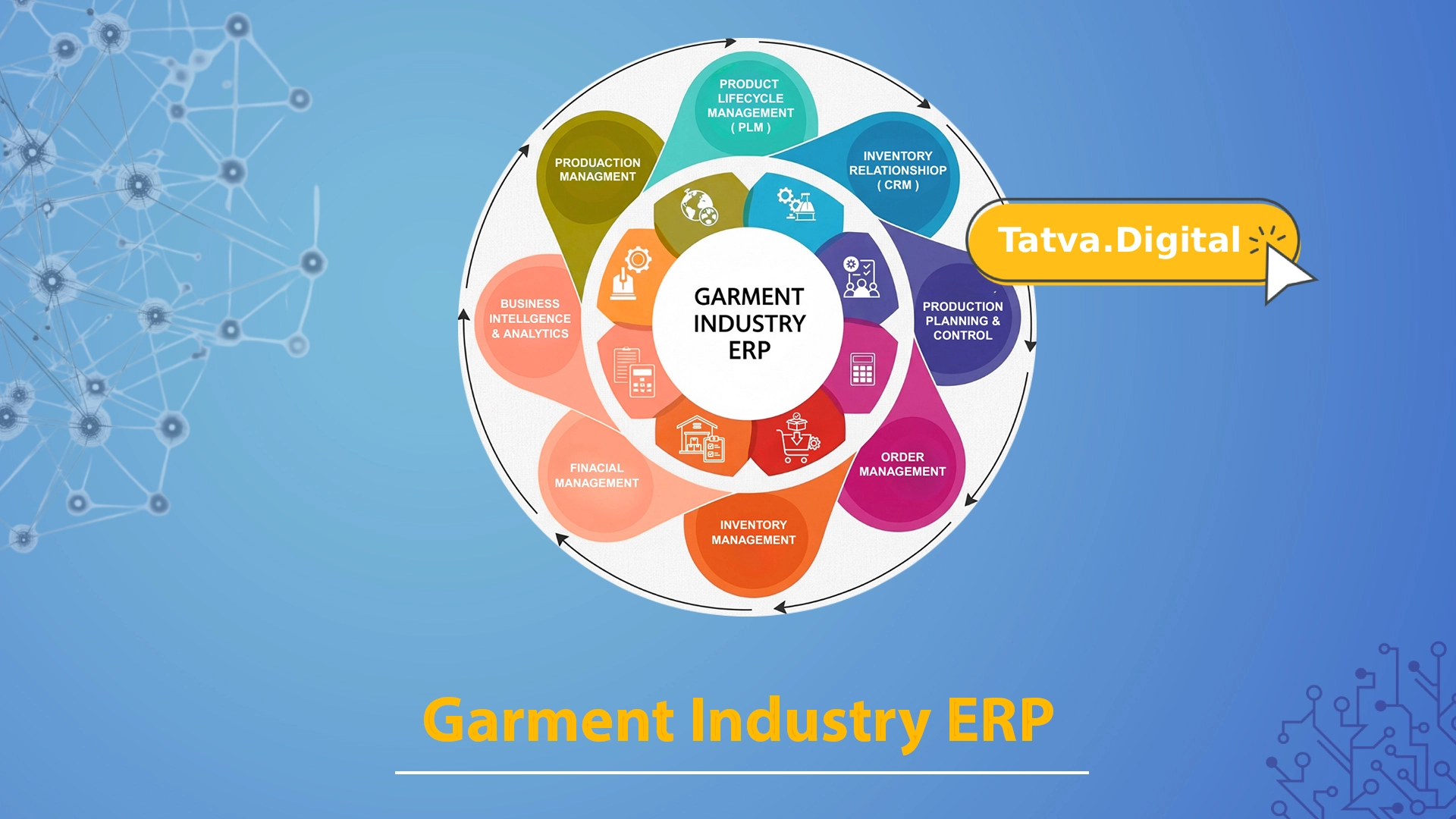
The garment and apparel industry is one of the most dynamic, fast-moving, and competitive manufacturing sectors in the world. With rapid changes in fashion trends, rising customer expectations, increasing supply chain complexities, and the growing demand for real-time visibility, apparel manufacturers need more than just traditional software systems. They require a powerful, integrated, and customized ERP solution designed specifically for the garment domain. This is where garment industry ERP development services come into play. A tailored ERP system helps apparel brands, manufacturers, exporters, buying houses, and supply chain partners streamline their operations, improve efficiency, reduce costs, and accelerate production cycles. In this blog, we will explore how Garment Industry ERP is transforming apparel manufacturing, why businesses need custom garment ERP solutions, and the critical features that support apparel supply chains from design to delivery. We will also detail how Tatvatech Digital Private Limited can help businesses implement the most advanced ERP solutions in the garment sector. Why the Garment Sector Needs Tailored ERP Solutions The garment industry operates differently compared to typical manufacturing companies. Apparel production involves: Multiple sizes, fits, and colors Rapid collection changes Material wastage management Vendor coordination Multi-level quality checking Shipment tracking Merchandising planning Export documentation Generic ERP systems fail to support these detailed workflows. This is why companies are shifting toward: Custom garment ERP solutions End-to-end garment ERP development Textile and garment ERP solutions Tailored ERP software can simplify processes such as production planning, inventory control, merchandising management, fabric and trim tracking, and supply chain coordination. How Custom Garment Industry ERP Development Services Add Value A custom ERP system for apparel manufacturers is built around their unique workflows. Here’s how garment industry ERP development services offer value: 1. Workflow Matching Every garment factory follows a unique production flow. A custom ERP aligns with exact operations—cutting, stitching, washing, ironing, finishing, packing, and dispatching. 2. Real-Time Production Monitoring Track progress at every stage with a digital dashboard. This increases transparency and avoids bottlenecks. 3. Automated Planning ERP ensures materials, labor, machines, and timelines are perfectly aligned. 4. Cost Control From fabric consumption to wastage, ERP helps control every detail and reduce production expenses. 5. Accurate Data & Reporting Generate reports on costs, production status, efficiency, order progress, and shipments. Key Modules in a Powerful Garment ERP System A modern fashion industry ERP system includes several integrated modules that streamline entire operations: 1. Merchandising & Order Management This is the backbone of apparel production. Using ERP for apparel merchandising, you can manage: Buyer orders Tech packs Sampling Purchase RFQs Approvals 2. Material Requirement Planning (MRP) This system calculates how much fabric, trims, accessories, and packing items are needed—reducing shortages or excess stock. 3. Inventory Management Monitor: Fabric rolls Accessories Ready garments Warehousing Stock transfers 4. Production Planning & Control Garment production management software helps track: Cutting orders Batch processing Line planning Operator efficiency WIP (Work in Progress) 5. Supply Chain & Logistics Apparel supply chain ERP simplifies: Vendor communication Shipment tracking Export documentation Packing lists Delivery schedules 6. Quality Control Reduce returns and ensure international standards are met. 7. Finance & Accounting Integrate purchase, sales, payments, payroll, taxation, invoice management, and more. Benefits of Implementing Garment ERP Systems Here’s how fashion industry ERP systems help transform your business: Reduced Production Delays Real-time communication ensures faster decision-making. Higher Accuracy in Inventory Avoid mismatches in fabric, trims, and raw materials. Improved Workforce Efficiency Track operator performance and productivity. Better Costing & Profit Analysis Accurate calculations from raw materials to finished goods. Increased Customer Satisfaction Deliver on time, every time, with fewer errors. Scalability Grow your business without operational chaos. End-to-End Garment ERP Development: A Complete Digital Transformation With end-to-end garment ERP development, businesses can transform all operations across: Design Sampling Merchandising Production Quality control Packaging Dispatch Export documentation Whether you run a small factory or a large multi-location apparel brand, ERP can significantly enhance productivity, accuracy, and profitability. Why Choose Custom Garment ERP Solutions Over Ready-Made Software? Ready-made ERP systems often include unnecessary features or lack industry-specific modules. But custom garment ERP solutions provide: Tailored workflows Flexible modules Industry-specific features Enterprise scalability Easier integration with machines & IoT Long-term cost-effectiveness This is why more companies are investing in specialized garment industry ERP development services to stay competitive. How Tatvatech Digital Private Limited Supports Garment ERP Implementation Tatvatech Digital Private Limited provides advanced, customized ERP development services suited for the textile, fashion, and apparel industries. Our ERP solutions are built to support: Garment factories Buying houses Export houses Fashion brands Textile mills OEM manufacturers We deliver customized solutions that include: Garment production management software Textile and garment ERP solutions Apparel supply chain ERP ERP for apparel merchandising End-to-end garment ERP development Our systems ensure more automation, faster workflows, fewer errors, and improved profitability. Frequently Asked Questions (FAQs) 1. What is a Garment ERP system? A garment ERP is specialized software that manages apparel production, supply chain, merchandising, inventory, finance, and quality control in a centralized platform. 2. Why do garment factories need customized ERP systems? Because the garment industry involves unique processes—sizes, colors, cutting markers, seasons, and multiple production lines—that generic ERPs cannot handle effectively. 3. How does ERP help in merchandising? ERP for apparel merchandising helps manage buyer orders, samples, tech packs, fabric booking, approvals, and timelines in one place. 4. Can ERP reduce production costs? Yes. By minimizing wastage, optimizing inventory, improving planning, and reducing delays, ERP significantly lowers operational costs. 5. Can small garment factories use ERP? Absolutely. ERP systems can be developed for small, medium, and large organizations with scalable features. About Us Business Name: Tatvatech Digital Private Limited Tatvatech Digital Private Limited is an emerging eCommerce platform offering a diverse range of products, including electronics, home essentials, fashion, beauty, and lifestyle goods. Our mission is to combine quality, convenience, and customer satisfaction through innovation and reliability. Under our brand DNA eStore, we aim to connect global customers with high-quality products that enhance everyday living. Contact Us Contact: +91-8130110203 Email: ecommerce@tatva.digital Trade Name: Tatva Tech Digital Private … Read more

Manufacturing ERP Solutions 2025: How Do Custom ERP Development Services Optimize Production & Inventory for the Industry?

Manufacturing ERP Solutions

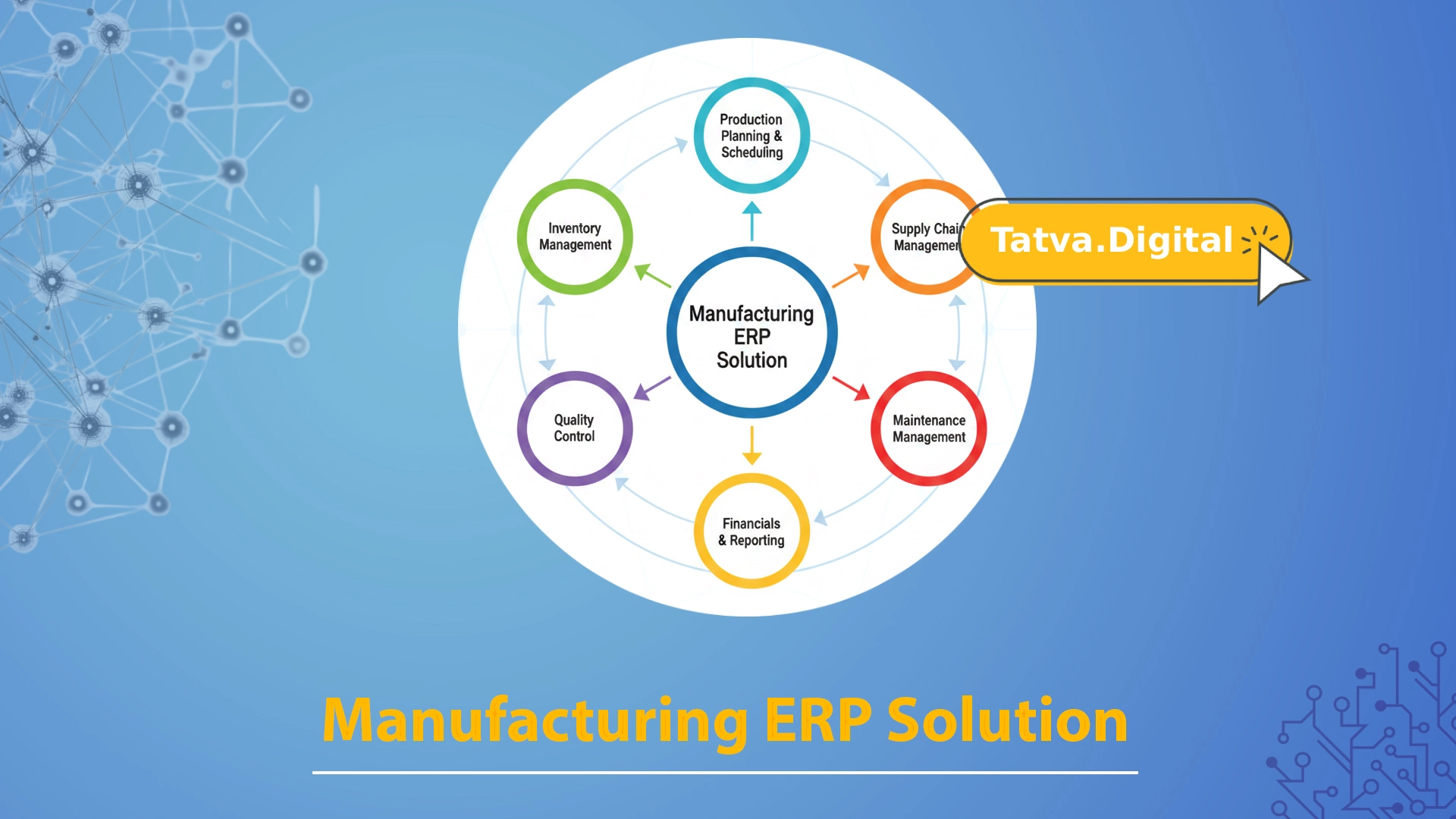
Manufacturing ERP Solution In 2025 is undergoing one of the fastest digital transformations in history. Global supply chain disruptions, fluctuating customer demand, shrinking labor pools, and rising cost pressures have accelerated the need for intelligent systems that bring automation, visibility, and precision to daily operations. Manufacturers who once relied on spreadsheets, manual workflows, or rigid off-the-shelf ERP systems now realize that survival—and growth—require a far more adaptable solution. This is where custom Manufacturing ERP solutions come into play. Unlike generic tools, these tailored systems are designed to reflect the true heartbeat of your factory floor. They integrate machines, people, data, supply chains, financials, scheduling systems, and quality processes into a single smart ecosystem. And with partners like tatvatech digital, manufacturers gain the ability to build an ERP that matches their exact operational DNA—something standard ERPs simply can’t deliver. Production Planning & Scheduling, Supply Chain Management, Maintenance Management, Financials & Reporting, Quality Control, and Inventory Management. Together, these functions create a highly efficient, data-driven manufacturing engine ready for the challenges of 2025 and beyond. Let’s explore how they transform manufacturing operations at scale. How Are Custom ERP Solutions Powering Production, Quality, and Maintenance Efficiency Like Never Before? Manufacturing floors are incredibly dynamic environments. Machines break down unexpectedly. Demand fluctuates. Human errors occur. Schedules shift. Raw materials arrive late. A single disruption can ripple across the entire production chain. Custom ERP development creates the real-time visibility and precision manufacturers need to stay ahead of these challenges. 1. Production Planning & Scheduling: The Brain of Modern Manufacturing Production Planning & Scheduling at the top—and rightfully so. This is the core of any successful manufacturing operation. A custom ERP empowers planners with: Real-Time Machine Capacity Visibility: Instantly monitor machine load, availability, and performance to plan efficiently. Automatic Schedule Adjustments: The system auto-reschedules jobs based on machine downtime, delays, or priority changes. Dynamic Routing Based on Constraints: Orders automatically route through the best machines, lines, or work centers based on capacity and limitations. Order Prioritization with Drag-and-Drop Planning: Planners can easily rearrange job priority using a visual drag-and-drop scheduler. Integration with Demand Forecasts and Customer Timelines: Production plans align automatically with real-time demand forecasts and customer delivery commitments. Imagine a system that automatically reschedules a job because a machine needs maintenance, alerts procurement if materials will run short, and notifies operators instantly—all without manual effort. That is the power of custom ERP. 2.Quality Control: Ensuring Zero-Defect Manufacturing Manufacturers cannot afford inconsistent quality. Custom ERP systems embed quality controls into every stage of production: Incoming Material Inspections: Ensure every raw material meets quality standards before entering production. In-Process Checks: Monitor product quality at every manufacturing stage to prevent defects early. Tolerance Tracking: Automatically track dimensional and performance tolerances for precision manufacturing. Automated Rejection Workflows: Instantly flag defects and trigger corrective actions without manual intervention. Batch-Level Traceability: Trace every component, batch, or lot across the entire production lifecycle. Compliance Documentation: Maintain audit-ready documentation that meets industry and regulatory standards. If deviations occur, alerts are raised instantly. Data is captured automatically. And entire product genealogies can be traced in seconds. 3.Maintenance Management: Predictive Uptime in the IoT Era Downtime is one of manufacturing’s most expensive problems. Custom ERP systems integrate with IoT sensors and machine monitoring tools to support: Predictive Maintenance: Identify equipment issues in advance using sensor data and machine-learning insights. Automated Work-Order Creation: Automatically generate maintenance tasks when thresholds are crossed or anomalies are detected. Spare Parts Inventory Visibility: Track availability, usage, and reorder levels of critical spare parts in real time. Maintenance Calendars and Logs: Maintain organized schedules, records, and service histories for every machine. Downtime Trend Analytics: Analyze recurring downtime patterns to eliminate root causes and improve uptime. This means machines no longer “surprise” your team with sudden failures. Instead, your ERP predicts issues before they occur. With tatvatech digital, manufacturers can connect all three pillars—production, quality, and maintenance—into one synchronized command center. How Do Custom ERP Systems Optimize Inventory, Supply Chain, and Financial Control in 2025? If production is the heart of manufacturing, then inventory, supply chain, and finances are the veins and arteries that keep everything moving. This section aligns with the image modules that create operational stability. 1. Inventory Management: Precision Stocking Without Guesswork Inventory mistakes can cost millions—either through overstocking or shortages. Custom ERP solutions eliminate guesswork by offering: real-time material visibility across plants automated reorder points based on live consumption FEFO/FIFO controls for perishable or regulated products barcode and RFID tracking optimized safety stock levels WIP (Work-in-Progress) transparency With dynamic forecasting and intelligent restocking, you never tie up unnecessary capital in inventory—or halt production due to stockouts. 2.Supply Chain Management: End-to-End Coordination Across Vendors Supply chain disruptions have become the norm. Custom ERP systems help manufacturers strengthen predictability with: vendor performance analytics automated PO creation and tracking shipment and logistics visibility supplier portals lead-time variability insights alternate vendor recommendations When materials are delayed, the ERP triggers warnings early, allowing planners to adjust schedules proactively. 3. Financials & Reporting: Profitability Through Data Visibility Financial modules integrated with operational data provide powerful benefits: real-time cost tracking job costing and profitability analysis automated invoicing and billing budget monitoring variance analysis compliance-ready financial reports forecasting and scenario analysis Executives gain clear visibility into the financial impact of production efficiency, supply chain performance, and labor utilization. This financial clarity—combined with inventory and supply chain optimization—makes custom ERP Solution the ultimate business intelligence engine. Why Are Integrations, AI, IoT Connectivity, and Analytics the Backbone of the 2025 Manufacturing ERP? In 2025, technology isn’t just supporting manufacturing—it’s shaping it. Custom ERPs are becoming smarter through machine connectivity, AI-driven insights, predictive analytics, and seamless integration with other enterprise systems. 1.Seamless Integrations Create a Unified Manufacturing Ecosystem A modern ERP must integrate with: MES (Manufacturing Execution Systems): Connect production operations with real-time execution data for improved shop-floor control. PLM (Product Lifecycle Management): Integrate product design, engineering changes, and lifecycle data into the ERP ecosystem. WMS (Warehouse Management Systems): Synchronize warehouse movements, picking, put-away, and dispatch with ERP … Read more

Complete Guide to ERP Development for SMEs: Cost, Features, and Benefits Explained

ERP Development for SMEs

ERP Development for SMEs: The rapid digital transformation of SMEs is a fact. These businesses, amid the rise of competition and changes in customer expectations, need to make operations seamless, minimize manual intervention, and develop real-time insight into the performance of their business. This is where modern ERP systems come into play. While ERP software was once considered a “big enterprise” tool, today’s modular, scalable, affordable ERP solutions are designed to specifically support SMEs. From finance and inventory to HR and sales, ERP brings a multitude of business functions under one unified platform that helps growing companies operate at speed, with accuracy and efficiency. The wide-ranging guide explains everything that SMEs need to know about ERP development: key features, the implementation process, real-life benefits, the role of technology partners such as Tatvatech Digital, and a detailed cost breakdown. What Is ERP for SMEs? ERP (Enterprise Resource Planning) is an integrated software system that automates and manages core business processes. For SMEs, ERP acts as a central nervous system, connecting departments and enabling teams to work with the same updated data. Unlike spreadsheets and standalone tools, SME-specific ERP systems are designed to be: Easy to use Cost-effective Scalable Customizable Quick to implement This makes ERP an ideal solution for small and mid-sized businesses aiming to improve productivity and operational clarity without heavy IT investment. Companies often prefer working with experienced ERP development partners such as Tatvatech Digital, known for building affordable, industry-ready ERP development for SMEs. Why SMEs Need ERP More Than Ever SMEs face unique operational challenges: resource limitations, fast-changing customer demands, complex compliance requirements, and rising competition. ERP helps solve these challenges by bringing automation and visibility into everyday business operations. 1. Fragmented Data and Processes Without ERP, SMEs juggle Excel sheets, offline invoices, and isolated tools. This leads to miscommunication and inefficiency. 2. Lack of Real-Time Information Decision-making slows down when business owners lack instant visibility into sales, finance, or inventory data. 3. Difficulty Scaling Operations As SMEs grow, manual systems struggle to keep up with rising demand. 4. Compliance and Reporting Issues Without centralized records, taxation and audits become complicated. This is why SMEs increasingly partner with solution providers like Tatvatech Digital, who understand SME workflows and build ERP systems tailored to their growth stage. Key Features of ERP Software for SMEs An effective SME ERP system includes modules tailored to daily business operations. 1. Inventory & Warehouse Management Real-time stock tracking Automated reorder alerts Multi-warehouse management Stock movement history 2. Sales & Order Management Lead & opportunity tracking Automated quotations, orders & invoices Sales performance dashboards 3. Purchase & Vendor Management Supplier quotes & comparison Purchase order automation Vendor ledger management 4. Accounting & Finance Ledger, payables, receivables Bank reconciliation GST/tax management Automated financial reports 5. HR & Payroll Employee attendance Leave management Payroll processing Statutory compliance 6. Production Manufacturing Bill of Materials (BOM) Work order management WIP tracking Material requirement planning 7. CRM (Customer Relationship Management) Lead nurturing Customer engagement Follow-up automation 8. Reporting & Business Intelligence Advanced dashboards Profitability analysis Inventory insights Financial health reports Benefits of ERP for SMEs ERP implementation brings long-term strategic advantages 1. Higher Productivity: Automation reduces manual work and boosts efficiency. 2. Faster Decision-Making: Real-time dashboards support instant insights. 3. Better Customer Satisfaction: Quicker responses and timely order fulfillment improve engagement. 4. Lower Operational Costs: ERP prevents inventory losses, data duplication, and workflow delays. 5. Higher Accuracy: Unified data ensures error-free operations. 6. Scalable Growth: ERP grows with the business—multi-branch, multi-user, or multi-warehouse. 7. Easier Compliance: Automated accounting and tax reports simplify audits. How Much Does ERP Development Cost for SMEs? Cost varies based on requirements and customization needs. 1. Basic ERP – For small businesses Cost: $5,000–$15,000 2. Mid-Level ERP—For growing SMEs Cost: $15,000–$35,000 3. Advanced ERP—For manufacturing SMEs Cost: $25,000–$60,000+ Additional Cost Factors Cloud hosting Integrations Mobile app support Custom modules Training & maintenance Tech partners like Tatvatech Digital help SMEs reduce costs through modular development and scalable cloud solutions. How to Choose the Right ERP For Your SME When selecting an ERP, focus on: Ease of use Industry relevance Customization flexibility Integration capability Scalability Vendor support Experienced ERP providers like Tatvatech Digital can help assess your needs and design a solution aligned with your business model. Conclusion: Why ERP Is the Most Important Investment for SMEs Today In today’s fast-paced and digitally driven marketplace, no SME can afford to operate on outdated systems, manual processes, and fragmented data. There comes a time for every growing business when spreadsheets and basic tools are no longer supporting expansion, efficiency, or customer demands. This is where ERP becomes transformational. ERP empowers SMEs to operate with the same level of intelligence, automation, and control as large enterprises—without massive budgets or IT teams. It simplifies everyday operations, enhances financial accuracy, accelerates decision-making, and provides 360-degree visibility into the business. From reducing inventory losses to improving customer satisfaction, ERP delivers measurable impact on productivity and profitability. Additionally, ERP is not merely about buying software; it’s a long-term strategic investment. With the right implementation partner, such as Tatvatech Digital, SMEs get an ERP solution fitted to their workflows, industry needs, and growth goals. Tatvatech Digital brings deep know-how in ERP development to ensure every module, feature, and automation truly solves real business challenges. As SMEs scale, diversify, or expand into new markets, ERP serves as the backbone to hold operations together. It provides stability, intelligence, and adaptability—three essential ingredients for sustainable business growth in the digital age. Whether manufacturing units, trading companies, retail businesses, or service providers, ERP will enable you to work smarter, grow faster, and compete more effectively. About us: Business Name – Tatvatech digital private Limited TatvaTech Digital Private Limited is an emerging eCommerce platform offering a wide range of products, including electronics, home essentials, fashion, beauty, health, and more—all with a focus on quality, convenience, and customer satisfaction Contact us: Contact: +91-8130110203 Email: ecommerce@tatva.digital Trade Name: TatvaTech Digital Private Limited Address: A 8, Block B, Sector 68, Noida 201306, Uttar … Read more

Why Are Businesses Switching to Cloud-Based ERP Development Services?

Cloud-Based ERP

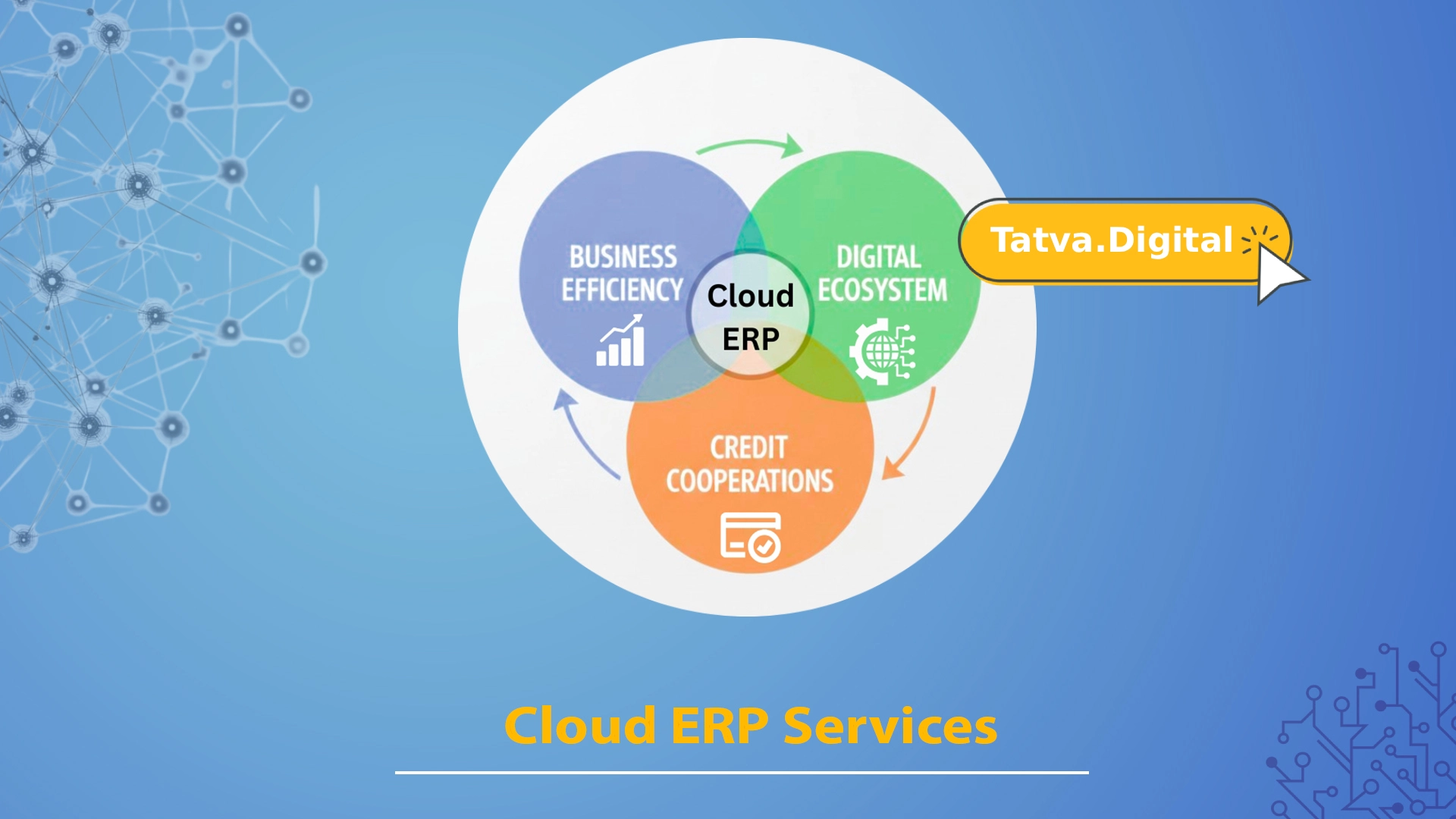
Cloud-Based ERP The global business scenario is in the midst of rapid digital expansion. Companies no longer rely on conventional, inflexible, on-premise ERP systems. They instead opt for cloud ERP development and cloud-based ERP solutions and collaborate with an experienced ERP software development company in order to upgrade their operations. In 2025, it is not about upgrading the technology; it is a strategic decision that makes companies agile, efficient, intelligent, and competitive. Across the world, organizations from various industries are adopting cloud computing as a platform for core operational systems to reduce costs, increase collaboration, and become future-ready. In this blog, we will discuss why cloud ERP adoption is growing exponentially, its benefits, how various industries—including credit cooperatives—leverage it, and why companies trust partners like Tatvatech Digital for next-generation ERP development. What Makes Cloud ERP Development the Preferred Choice in 2025? The shift toward cloud ERP is mainly driven by the demand for flexibility, cost efficiency, and smarter operational models. Let’s understand the key reasons. 1. Remote-Ready & Hybrid Workplace Support Business operations are distributed. Teams work across different locations, cities, or countries. ERP enables access to business data anywhere, anytime, on a mobile phone, tablet, or desktop.  ERP allows for continuity in workflow—from approving invoices to viewing inventory—outside the traditional office spaces. 2. Reduced Initial Investment Building an on-premise ERP requires servers, IT staff, and hardware with upgrades every year. Cloud ERP doesn’t hold such expenses. Subscription-based pricing means businesses only pay for what they utilize, therefore making ERP implementation economical for enterprises as well as SMEs. 3. Automated Updates & Minimal Maintenance eliminates system downtime and costly upgrade cycles. Updates are automatic. New features Security patches Performance Enhancements This ensures that businesses are always running on the latest versions, without extra effort. 4. Advanced Security Built-In Data security has reached whole new levels in 2025. Included in: End-to-end encryption Multi-factor authentication Automatic backups Protected hosting environments Real-time threat monitoring Cloud platforms maintain stronger security than many in-house IT setups. 5. AI-Powered Insights & Automation Modern cloud-based ERP solutions now integrate AI & ML tools to elevate decision-making. Businesses gain predictive insights into: Sales trends Inventory forecasting Resource utilization Financial patterns This improves accuracy and operational efficiency across departments. How Cloud ERP Enhances Business Efficiency Across Industries? Cloud ERP finds applications across manufacturing, logistics, healthcare, construction, retail, and BFSI since it is universally adaptable. 1. Enables Real-Time Collaboration Teams can communicate and collaborate on a single platform. Data flows smoothly across departments without departmental silos or confusion. 2. Supports Multi-Branch Operations All branches, warehouses, or project sites remain updated. Managers can track activities, analyze performance, and create consolidated reports in real time. 3. Easy Scalability Businesses can add or remove modules as needed.  ERP grows along with the organization, with no server upgrades or downtime. 4. Better Decision-Making With Live Dashboards With ERP, management gets access to real-time dashboards. Stakeholders can instantly evaluate KPIs and make quick data-driven decisions. What Is Cloud ERP’s Role in the Digital Ecosystem of 2025? While industries move towards automation, IoT, AI, and RPA, ERP becomes the backbone of digital transformation. 1. Integration With Modern Technologies Cloud ERPs work seamlessly with: IoT devices Machine sensors E-commerce platforms Payment gateways CRM & HRMS systems 2. Eco-Friendly, Paperless Workspace Automation eliminates the need for manual paperwork, physical approval, and printed reports; instead, it promotes sustainable digital operations for a business. 3. Agility in Changing Business Environments Market conditions flip on a dime.  ERP empowers businesses to change processes in real time and not rely on heavy technical changes. Cloud ERP for Credit Cooperatives: A Game-Changer in 2025 Credit cooperatives frequently deal with high volumes of members, complicated loan processes, and regulatory compliance. This is where it presents a transformational upgrade. Key Benefits for Credit Cooperative Societies: 1. Centralized Member Data Loan accounts, deposits, withdrawals, and share capital for members are all kept in a single cloud platform. 2. Automated Loans & Interest Calculation The system automates: Loan approvals EMI schedules Interest calculations Tracking of the payment While workload reduces, accuracy increases. 3. Compliance & Audit Transparency Audits have become faster, more transparent, and smoother, with ERP maintaining all the required logs and real-time financial records. 4. Mobile-Friendly Member Access Members can view accounts, apply for loans, and check statements online, thus improving service delivery. 5. Multi-Branch and Multi-Center Support Cooperatives operating in different locations can synchronize operations without depending on manual reporting. Why Choose an Expert ERP Software Development Company? Development needs solid technical knowledge and experience with the workflow of the industry. Businesses rely on trusted partners like Tatvatech Digital in building flexible, secure, and scalable ERP systems. Tatvatech Digital Offers: Customized for industry-specific needs Seamless integration with third-party tools Strong domain knowledge across diverse industries Cutting-edge technology stack with AI, automation & IoT Faster implementation by using proprietary frameworks End-to-end ERP development & support Tatvatech Digital ensures that businesses get future-ready ERP solutions to bring in more efficiency and reduce operational gaps. The Future of Cloud ERP Beyond 2025 The next decade will see even further development in cloud ERP with: AI-driven automation for repetitive tasks Voice-based ERP commands Robotic process automation (RPA) integration Predictive analytics for real-time decision-making Personalized dashboards for every user role Industry-specific microservices & plug-and-play modules Industry-specific microservices & plug-and-play modules Cloud ERP is turning into an intelligent business companion. FAQs: Cloud-Based ERP Development Services in 2025 1. What is cloud ERP? Cloud ERP is an internet-based ERP system hosted on remote servers that could be accessed from any device to reduce hardware costs and enhance operational flexibility. 2. Why is cloud ERP popular in 2025? Because it enables remote work, cuts down on operational costs, automatically updates, has better security, and supports all kinds of advanced technologies. 3. Is cloud ERP safe for critical business data? Yes, Cloud ERP provides protection against data exposure by means of encryption, firewalls, MFA, backups, and continuous monitoring. 4. Can cloud ERP support multi-branch businesses? Absolutely, all branch data is kept up … Read more