How IoT Services Are Revolutionizing Modern Industries?
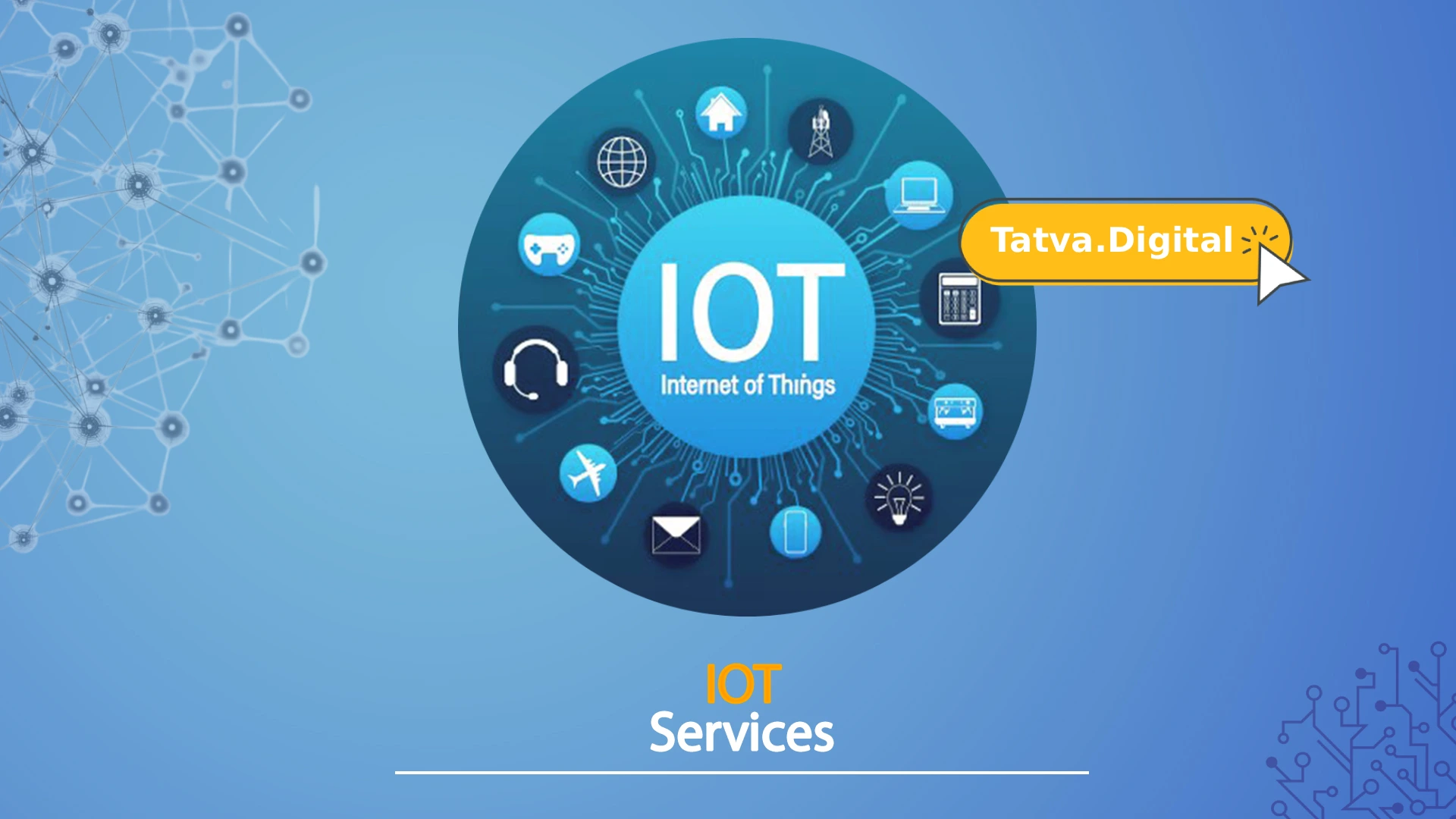
The Internet of Things (IoT) is a force behind digital transformation in every industry and is no longer merely a futuristic idea. IoT services are helping companies connect devices, gather real-time data, and make better decisions in a variety of industries, including manufacturing, healthcare, logistics, and smart cities. IoT is transforming how businesses function, innovate, and provide value to consumers by bridging the gap between the physical and digital worlds. How is the Internet of Things (IoT) disrupting industries? What are the key use cases you should know? IoT use cases When business, technology and operations professionals hear the term ‘Internet of Things’ (IoT), they often think first of sensors and connectivity. But the real disruption lies in how those connected devices enable entirely new ways of working across industries. Let’s unpack major industry-shaking use cases. What is Industrial IoT (IIoT), and how is it transforming manufacturing and logistics? Industrial IoT (IIoT) In manufacturing, logistics, energy, oil & gas and other heavy-equipment domains, the Internet of Things (IoT) becomes the backbone of the so-called Industrial Internet of Things (IIoT). Sensors embedded in machines gather huge volumes of data; combined with analytics, they provide insights that weren’t possible before. For example: Sensors monitor vibration, temperature or other machine-health indicators; you can predict when a machine needs maintenance rather than simply waiting for it to fail. Real-time data from warehouse logistics helps optimize supply-chain flows: fewer delays, less inventory, more efficient operations According to one source, IIoT can reduce machine downtime by up to 30% and raise output by as much as 25%. What are other standout IoT use cases across industries? Highlighting a few more: Energy & utilities: IoT enables smart metering, real-time consumption tracking, and dynamic load balancing. Agriculture: Deploying sensors for soil moisture, crop health, and livestock tracking—connected devices deliver actionable data. Healthcare & wearables: While not heavy industrial usage, IoT devices monitor patient vitals, connect to tele-medicine platforms, enable remote care Retail & logistics: Inventory sensors, asset tracking, and ambient sensing (e.g., for pallet movement) are modern IoT use cases. Why is this disruption important for business and operations professionals? Because the Internet of Things (IoT) isn’t just about gadgets—it’s about embedding intelligence into operations. When implemented effectively, it means: Lower operational costs Faster time to insight and action Improved uptime, better quality, more flexibility New business models (connected services, predictive maintenance, outcome-based contracts) Operations professionals need to ask: how can IoT be applied in industry to move from reactive to proactive? Technology leaders must consider: do we have the infrastructure, connectivity, analytics and governance to support this shift? Business leaders must ask: how will IoT influence our service offerings, cost basis and competitive advantage? What are the top IoT Services security challenges, and how can you overcome them? IoT security challenges and IoT cybersecurity solutions With the benefits of the Internet cybersecurity come serious responsibilities. Numerous connected devices mean a larger attack surface, and operations teams must be vigilant. Which security challenges are most prevalent in IoT deployments? Some of the major hurdles: Device vulnerabilities: many devices are shipped with weak defaults, outdated firmware, and insecure credentials. Scalability and heterogeneity: thousands or millions of devices of differing types and manufacturers can complicate security management. Connectivity risks: IoT often relies on wireless, cellular, LPWAN or edge connectivity, which can be less secure than controlled LANs. Data privacy and integrity: With constant streams of data flowing, keeping the data secure and ensuring it hasn’t been tampered with is non-trivial. Legacy systems and integration: In many industries, older equipment is retrofitted with IoT sensors; these legacy parts may not support modern security controls What IoT cybersecurity solutions can help overcome these challenges? Here are key strategies to mitigate risk: Implement strong authentication and encryption: for IoT devices and communication, enforce multi-factor authentication and encrypt data both at rest and in transit. Device lifecycle management: Make sure devices are patched, firmware is updated, and end-of-life devices are removed or isolated. Network segmentation and edge security: Use segmentation to isolate IoT networks, and employ edge computing architectures so not all data must traverse back to a centralised cloud. Analytics and anomaly detection: Use AI/ML tools to monitor IoT device behaviour and detect unusual patterns or breaches in real-time Standardisation and governance: Define clear policies, standardise device onboarding, and enforce vendor compliance What practical tips should operations professionals follow? Inventory all connected devices—including sensors, gateways, and network elements—and know what you have. Apply security by design when onboarding new IoT services: don’t treat security as an afterthought. Monitor and audit regularly: logs, firmware versions, and incoming/outgoing connectivity. Train staff: even simple misconfiguration of IoT devices leads to breaches. Build resilience: assume a device will fail or be compromised; build fallback and isolation mechanisms. By focusing on both the IoT security challenges and implementing robust IoT cybersecurity solutions, enterprises can push ahead with device-driven modernisation without exposing themselves to undue risk From smart homes to smart cities: What is the future of IoT in 2025? Smart home and smart city IoT + Future of IoT 2025 Let’s zoom out and look at how the Internet of Things (IoT) is evolving from individual devices in homes to campuses, cities and urban infrastructure—and what 2025 holds for this evolution. How are smart-home IoT and smart-city IoT related yet different? Smart Home IoT: Devices like thermostats, smart locks, connected appliances and energy meters—these improve convenience, comfort, energy efficiency and personalization in the home Smart City IoT: At a larger scale—street-lighting sensors, traffic-management systems, waste-management sensors, utility grids, and public-transport monitoring. Smart-city initiatives connect infrastructure at scale. Both rely on the same underlying concept: embedded sensors, connectivity, and data analytics—but scaled and often with greater complexity, regulation and stakeholder involvement in the smart-city scenario. What are the key IoT trends shaping the future to 2025? Several themes to watch: Massive growth in connected devices: By the end of 2025, device counts on IoT networks are expected to exceed 21 billion globally. Enhanced connectivity: 5G, LPWAN, satellite IoT, and hybrid … Read more