
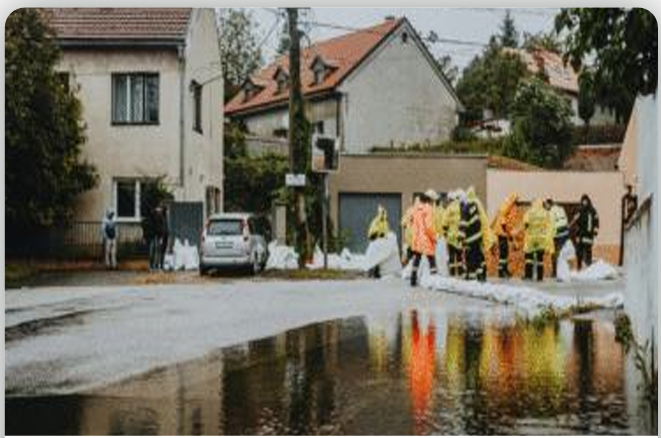
When water damage strikes your property, not all water is created equal. The level of contamination determines the health risk, cleanup process, and overall restoration cost.
In the restoration industry, water damage is divided into three categories: clean water, gray water, and black water.
Category 1: Clean Water
Clean water originates from a sanitary source and poses minimal health risk.
Common sources include:
-
Broken supply lines
-
Overflowing sinks (without contaminants)
-
Appliance malfunctions
-
Rainwater (before contacting contaminants)
Risk Level
Low — if addressed quickly.
Important Note
Clean water can degrade into gray water within 24–48 hours if left untreated.
Category 2: Gray Water
Gray water contains some level of contamination and may cause illness if ingested.
Common sources:
-
Washing machine overflow
-
Dishwasher discharge
-
Toilet overflow (without solid waste)
-
Sump pump failures
Risk Level
Moderate — protective equipment is required during cleanup.
If left untreated, gray water can quickly become black water.
Category 3: Black Water
Black water is highly contaminated and poses serious health risks.
Common sources:
-
Sewage backups
-
Floodwater from rivers or oceans
-
Toilet backflows with waste
-
Standing water with microbial growth
Risk Level
Severe — contains bacteria, viruses, and toxins.
Professional remediation is required.
Why Water Category Matters
The category determines:
-
Safety precautions
-
Required protective equipment
-
Materials that must be removed
-
Drying methods
-
Disinfection procedures
-
Cost and timeline
For example:
-
Carpet affected by clean water may be salvageable.
-
Carpet affected by black water usually must be discarded.
How Professionals Determine Water Category
Restoration technicians evaluate:
-
Source of water
-
Duration of exposure
-
Visible contamination
-
Moisture levels
-
Odor
-
Environmental testing (if needed)
What Homeowners Should Do Immediately
-
Shut off the water source (if possible)
-
Avoid contact with contaminated water
-
Turn off electricity in affected areas (if safe)
-
Contact a professional restoration company
-
Document damage for insurance
Final Thoughts
Understanding water damage categories helps homeowners make safer, faster decisions during emergencies. What may look like a simple leak could carry significant health risks depending on the water source.
When in doubt, treat unknown water damage as potentially hazardous and seek professional evaluation immediately.