
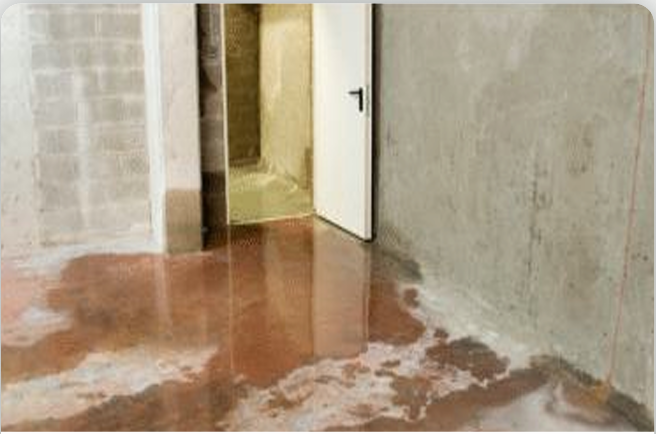
Flooding is one of the most common and costly natural disasters in the United States. Yet many homeowners are surprised to learn that standard homeowners insurance does not cover flood damage. That’s where the National Flood Insurance Program (NFIP) comes in.
If you own a home — whether you’re in a high-risk flood zone or not — understanding how flood insurance works can protect your property and your finances.
What Is the National Flood Insurance Program?
The National Flood Insurance Program (NFIP) is a federal program managed by the Federal Emergency Management Agency (FEMA). It provides flood insurance to homeowners, renters, and businesses in participating communities.
The program was created to:
-
Reduce the financial impact of flooding
-
Encourage communities to adopt floodplain management regulations
-
Make flood insurance available where private insurers may not offer it
More than 22,000 communities across the U.S. participate in the NFIP.
Does My Homeowners Insurance Cover Flooding?
No. A standard homeowners policy typically covers:
-
Fire
-
Wind damage
-
Theft
-
Certain types of water damage (like burst pipes)
But it does not cover:
-
Flooding from heavy rain
-
Storm surge
-
Overflowing rivers
-
Flash floods
To be protected against these events, you need a separate flood insurance policy.
Who Needs Flood Insurance?
You may be required to purchase flood insurance if:
-
Your property is in a high-risk flood zone (Special Flood Hazard Area)
-
You have a federally backed mortgage
However, flooding can happen anywhere. In fact, nearly 25% of flood claims come from homes outside high-risk zones.
Flood insurance may be worth considering even if:
-
You’re in a moderate or low-risk area
-
Your area has experienced increasing rainfall
-
You live near new construction that changes drainage patterns
What Does NFIP Flood Insurance Cover?
NFIP policies typically include two types of coverage:
1. Building Property Coverage
Covers:
-
Foundation
-
Electrical and plumbing systems
-
HVAC systems
-
Built-in appliances
-
Permanently installed carpeting and cabinets
-
Detached garages (limited coverage)
2. Personal Property Coverage (Optional for Homeowners)
Covers:
-
Furniture
-
Clothing
-
Electronics
-
Portable appliances
Important: There are coverage limits. For residential properties:
-
Up to $250,000 for the building
-
Up to $100,000 for contents
What’s Not Covered?
Flood insurance does not cover:
-
Temporary housing expenses (no additional living expenses coverage)
-
Damage to landscaping
-
Swimming pools and decks
-
Cash and valuable papers
-
Basement improvements (limited coverage)
Understanding these exclusions is essential before a disaster happens.
When Does Coverage Begin?
Most NFIP policies have a 30-day waiting period before coverage takes effect. That means you cannot wait until a storm is forecasted to buy coverage.
There are limited exceptions, such as:
-
Loan closings requiring coverage
-
Certain map revisions
How Much Does Flood Insurance Cost?
Premiums vary based on:
-
Flood zone
-
Elevation
-
Building age
-
Structure type
-
Coverage amount
With FEMA’s Risk Rating 2.0 system, pricing is more personalized than in the past.
How to Purchase NFIP Coverage
You can buy NFIP flood insurance through:
-
Licensed insurance agents
-
Companies participating in the Write Your Own (WYO) program
Even if your insurer doesn’t mention flood coverage, ask about it specifically.
Final Thoughts
Flooding can happen quickly — and recovery can be financially devastating without proper coverage. Understanding how the National Flood Insurance Program works helps homeowners make informed, proactive decisions.
The best time to consider flood insurance isn’t after a storm warning — it’s long before one ever appears.
Hi, this is a comment.
To get started with moderating, editing, and deleting comments, please visit the Comments screen in the dashboard.
Commenter avatars come from Gravatar.