Blog Archives - Page 6 of 6 - Tatvatech Digital Private Limited Blog Archives - Page 6 of 6 - Tatvatech Digital Private Limited

Top 10 IT Tech Companies in Noida
TOP 10 IT Tech Companies in Noida India has emerged as a global hub for IT services and digital transformation, with several world-class companies shaping the technology landscape. From enterprise software solutions to AI-driven innovations, these companies empower businesses to optimize operations, enhance customer experiences, and scale efficiently. Here’s a look at the top IT companies in one of India’s key technology centers. 1. HCL Technologies HCL Technologies (HCLTech) is a leading global IT services company from India, specializing in delivering cutting-edge technology solutions to enterprises across industries. The company focuses on digital transformation, helping organizations leverage technology to improve efficiency, innovation, and competitiveness. HCLTech offers a comprehensive portfolio of services, including IT consulting, cloud computing, enterprise applications, software development, engineering services, cybersecurity, data analytics, and artificial intelligence (AI). Their solutions cater to diverse sectors such as financial services, manufacturing, healthcare, telecom, retail, and public services. By combining technology expertise with industry-specific insights, HCLTech enables businesses to optimize operations, enhance customer experiences, and accelerate growth. The company is recognized for its innovation-driven approach, with numerous patents and state-of-the-art labs and delivery centers across India. HCLTech also focuses on emerging technologies such as AI, Internet of Things (IoT), and automation, providing scalable and secure solutions tailored to clients’ needs. Through its technology services, HCL Technologies empowers organizations in India and globally to embrace the digital era, transform their business processes, and unlock new opportunities for success. 2. TCS(Tata Consultancy Services) Tata Consultancy Services (TCS), a global IT and digital transformation company, has a strong presence in Noida, one of India’s fastest-growing technology hubs. The Noida offices serve as a key part of TCS’s operations, supporting clients across multiple sectors including financial services, manufacturing, telecom, healthcare, and retail. With a highly skilled workforce, the Noida centers contribute to both large-scale projects and innovative digital solutions, aligning with global technology trends. Established as part of TCS’s expansive network, the Noida facilities focus on delivering enterprise solutions, cloud services, artificial intelligence applications, and software engineering projects. The teams emphasize operational excellence, agile methodologies, and client-centric innovation, enabling organizations to adapt efficiently to evolving technology landscapes. TCS in Noida also plays a role in community engagement and workforce development, participating in initiatives for education, skill enhancement, and employment opportunities. This reflects the company’s broader commitment to sustainability, inclusion, and corporate social responsibility. Overall, TCS’s Noida operations exemplify the integration of technological expertise with strategic delivery. By combining global best practices with localized execution, TCS continues to support enterprise growth, innovation, and digital transformation, reinforcing Noida’s position as a critical hub in India’s IT ecosystem. 3. Tech Mahindra Tech Mahindra provides IT consulting, digital transformation, cloud computing, AI, cybersecurity, and enterprise application services. Serving telecom, banking, healthcare, retail, and manufacturing industries, Tech Mahindra helps organizations streamline operations, improve efficiency, and implement scalable digital solutions. Their services include enterprise application management, cloud migration, AI-powered analytics, and automation. By leveraging emerging technologies such as AI, IoT, and robotics, Tech Mahindra enables businesses to innovate processes, enhance customer experiences, and maintain competitiveness. Their technology-driven approach empowers enterprises to adopt secure, scalable, and sustainable solutions, transforming business operations while fostering long-term growth. Tech Mahindra’s focus on digital innovation positions it as a trusted partner for enterprises navigating complex technological challenges. 4. Genpact Genpact is a global professional services company specializing in business process management (BPM), digital transformation, and analytics. In India, Genpact delivers technology-driven solutions that help enterprises optimize operations, improve efficiency, and enhance customer experiences. Their services span banking, insurance, healthcare, and manufacturing sectors, integrating artificial intelligence, machine learning, and automation into business processes. Genpact provides end-to-end process management, finance and accounting transformation, supply chain optimization, and customer service solutions. By leveraging analytics and AI, organizations can make data-driven decisions, reduce operational costs, and improve workflow efficiency. Genpact’s digital solutions empower businesses to innovate operations, scale processes securely, and maintain a competitive edge. Their expertise in emerging technologies helps enterprises navigate the complexities of modern business while fostering operational excellence and sustainable growth. Through innovation-driven services, Genpact plays a vital role in enabling organizations to achieve transformation and digital agility in a rapidly evolving technology landscape. 5. Coforge (NIIT Technologies) Coforge, formerly NIIT Technologies, is an IT services and digital solutions company offering enterprise application management, cloud services, automation, and digital transformation. Serving industries such as banking, insurance, travel, and logistics, Coforge helps organizations modernize IT infrastructure, optimize workflows, and implement scalable technology strategies. Their solutions integrate artificial intelligence, robotics, and advanced analytics to enhance operational efficiency, reduce costs, and improve customer experiences. Coforge provides application development, cloud migration, and consulting services that allow enterprises to transform business processes securely and efficiently. By focusing on industry-specific digital solutions, Coforge enables businesses to innovate, scale operations, and respond quickly to evolving market demands. Their technology-driven approach ensures organizations can leverage emerging trends such as AI, automation, and cloud platforms to achieve sustainable growth and maintain competitiveness in a fast-paced digital ecosystem. Coforge’s expertise positions it as a key IT partner for enterprises seeking advanced technology solutions and business transformation. 6. Oracle Oracle India provides enterprise technology solutions, including cloud computing, database management, enterprise software, and AI-driven applications. Their services help organizations modernize IT infrastructure, automate business processes, and implement secure, scalable solutions. Serving industries such as finance, healthcare, telecom, retail, and manufacturing, Oracle enables enterprises to leverage analytics, AI, and cloud platforms to improve operational efficiency. Their enterprise applications, database solutions, and AI-powered tools help organizations innovate processes, reduce costs, and optimize performance. Oracle focuses on integrating emerging technologies into existing systems, ensuring seamless digital transformation for enterprises. By combining advanced software solutions with industry-specific expertise, Oracle empowers businesses to enhance customer experiences, make data-driven decisions, and scale operations effectively. Their technology services support secure and sustainable growth while fostering innovation and digital excellence across multiple sectors. Oracle continues to be a leading IT partner for organizations seeking comprehensive technology solutions in India. 7. Accenture India Accenture India is a global consulting and IT services provider delivering digital transformation, cloud adoption, … Read more
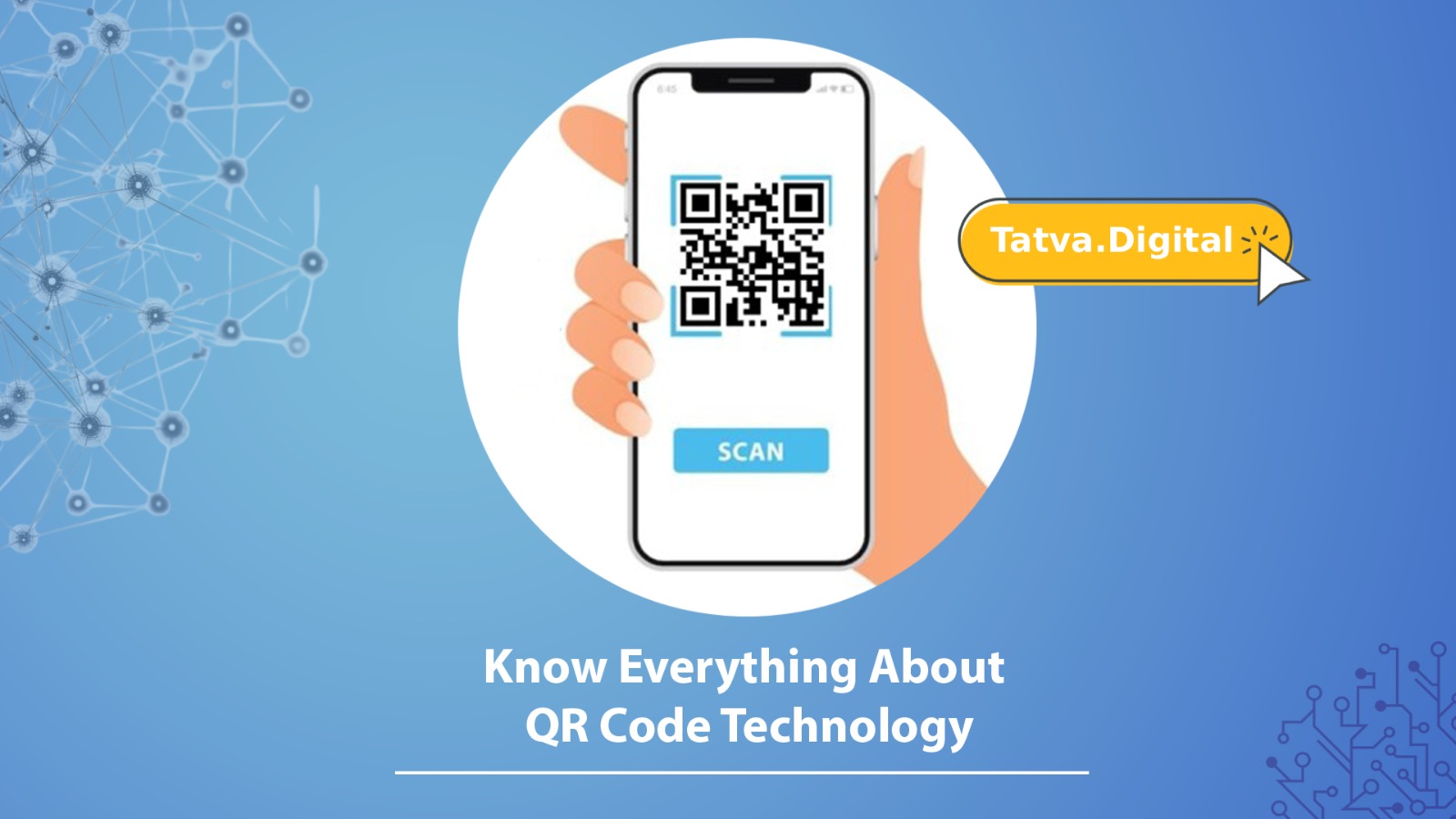

Everything you need to know about QR Code Technology: How It Works, Logic, and Uses Tatva Tech IT Company

Introduction: What is QR Technology? QR codes, or Quick Response codes, are two-dimensional barcodes that can contain extensive amounts of information in a small square. Unlike other barcodes, which only store information horizontally, QR codes store information both horizontally and vertically, making them efficient and flexible. QR technology is a bridge between the physical and digital world that allows users to access information at a glance through scanning devices like smartphones, QR scanners, or cameras. Purpose of QR Technology: Instant, contactless interaction between objects and digital systems. Simple access to URLs, contact details, payments, event tickets, and more. Make it possible for businesses and consumers to transfer data effectively. History of QR Codes: Who Discovered It, When, and Why QR codes were developed in 1994 by Masahiro Hara, a Denso Wave engineer in the Toyota Group subsidiary of Japan. The technology was devised to address an industrial problem: efficiently tracking auto parts during manufacturing. Why QR Codes Were Developed Conventional barcodes were limited in the following ways: Limited capacity to store data (usually 20 digits) Slow scan because of the requirement of accurate alignment Prone to damage, which made tracking less accurate Masahiro Hara and his colleagues created a two-dimensional code that was able to: Hold more data than standard barcodes Be read from any orientation Have error correction so that partially impaired codes could still be scanned Offer flexibility for use in industry and subsequently commerce This innovation generated the square grid of black and white modules we currently see as a QR code, able to encode numbers, text, symbols, or binary data. How QR Technology Works QR codes work by converting information into a scannable digital format. Here’s a step-by-step explanation: 1. Data Encoding Data like a URL, text, or payment information is translated into binary form (0s and 1s) first. 2. Constructing the QR Code Matrix Binary data are formatted into an array of black and white modules in a square format. Each element has a specific function shape: Position markers – Big squares in three corners to identify orientation Alignment patterns – Small squares for legibility on tilted surfaces Timing patterns – Interleaving black and white modules to specify grid pattern Data modules – Store the actual data 3. Error Correction QR codes apply Reed-Solomon error correction, so they can still work if up to 30% of the code is destroyed. 4. Scanning and Decoding When scanned: The scanner takes a picture of the QR code. Scanning software detects position and alignment markers. Binary information is translated into original data. The information is shown or performed, for example, in opening a webpage or making a payment. Analogy: A QR code is like a secret language. The scanner immediately converts it into useful information. The Logic Behind QR Codes The layout of the QR code makes scanning quick and accurate: Position Detection Patterns – Find the code and its direction Alignment Patterns – Align with distorted curves Timing Patterns – Keep grid in its correct alignment Data & Error Correction Modules – Save data and avoid mistakes This logical framework makes QR codes operate consistently even under less-than-perfect circumstances, that is why they’re heavily used in the real world. Types of QR Codes QR codes vary according to functionality, size, and flexibility. There are four types: Static QR Codes Permanent data that can’t be modified once built Ideal for permanent materials such as product guides or business cards Example: QR code on product box pointing to a user guide Feature: Easy, trustworthy, permanent Dynamic QR Codes Data can be edited without reprinting a new code Ideal for marketing campaigns, promotions, and measuring engagement Example: Daily changing restaurant menu or campaign QR code with changing offers Feature: Flexible, editable, and trackable Micro QR Codes Miniature version of standard QR codes for less space Holds up to 35 numeric or 21 alphanumeric characters Example: QR codes on jewelry labels or electronic parts Feature: Small and efficient for small labels Model 1 vs Model 2 QR Codes Model 1: Original 1994 design, limited size and error correction, mostly obsolete Model 2: Contemporary, ubiquitous, greater data capacity, greater error correction, extra alignment patterns Example: Most QR codes on packages, tickets, and apps now are Model 2 Feature: Strong, reliable, backward compatible Real-World Uses of QR Codes 1. Payments and Digital Banking QR codes enable quick, contactless payments through apps such as Google Pay, Paytm, PhonePe, and PayPal. Example: Indian small businesses make digital payments with printed QR codes. 2. Marketing & Advertising Bind offline consumers to online content: Posters, flyers, packaging Websites, videos, coupons, and interactive campaigns Example: Coca-Cola QR codes on bottles unlock AR experiences for the consumer. 3. Retail & E-Commerce QR codes enhance shopping experiences by linking to: Product information Customer reviews Discounts and loyalty schemes 4. Healthcare Utilized for: Patient identification Digital health records Checking prescriptions Vaccine certificates Example: COVID-19 test results and vaccine passports sent through QR codes. 5. Travel & Hospitality Use cases include: Boarding passes Hotel check-ins Contactless menus and services 6. Education QR codes distribute learning material, assignments, and online classroom access. 7. Security & Authentication QR codes are popular in two-factor authentication (2FA), securely linking accounts to apps used for authentication. Advantages of QR Codes Quick scanning Flexible storage (URLs, text, payments) Cost-effective Long-lasting, functions even if damaged Contactless and secure Dynamic, trackable codes offer analytics Challenges and Limitations Needs devices (smartphones/scanners) Security threats (malicious QR codes or QRishing) Sensitivity in design (over-customized codes will not work) Gap in awareness (some users might not be aware of how to scan) Security Issues: QRishing Cybercriminals can swap genuine QR codes with malicious ones. Scanning can: Direct to phishing sites Inject malware Steal sensitive data Safety Tips: Scan codes only from trusted sources Use security-enabled scanners Avoid suspicious or unfamiliar QR codes Future of QR Codes QR codes are transforming with IoT, AI, and AR: Smart Packaging: Complete product life cycle information AR Experiences: Immersive 3D content Digital Identity: e-Passports, digital identities, secure … Read more

Instamart’s Quick India Movement 2025: Ajay Devgn Reshoots Classic Split for Festival Mega Sale

Instamart Declares Its First Yearly Festival Sale Instamart, a quick commerce platform, formally announced its first yearly festival mega sale, the Quick India Movement 2025, dubbed India’s fastest sale. The much-awaited sale will be available from September 19 to 28, 2025, and will be featured on both Instamart and Swiggy apps. The initiative coincides with India’s festive season, a time of peak spending by consumers. Through this campaign, Instamart wants to respond to increased demand by providing irresistible discounts along with the luxury of instant deliveries. Discounts Ranging From 50% to 90% Key to the Quick India Movement 2025 are the 50% to 90% discounts. The discounts cut across several best-selling categories so that there’s something for everyone, such as: Electronics and gadgets Kitchen and dining essentials Beauty and personal care Toys and lifestyle products In addition to broad-based discounts, Instamart also continues to highlight its commitment to lightning-fast deliveries, establishing it as the leader in India’s quick commerce business. Ajay Devgn Recreates His Legendary Split Instamart collaborated with Bollywood icon Ajay Devgn for the campaign launch, reprising his iconic split stunt from the film Phool Aur Kaante back in 1991. The iconic visual, which is fondly recalled as one of the greatest Bollywood debuts, has now been revamped for today’s viewer. This time, and this time only, instead of motorbikes, Devgn does the split with bizarre household items like a water jug and a speaker. These objects ingeniously morph into products embodying India’s changing consumer desires, connecting nostalgia to contemporary lifestyle dreams. A Campaign Created for Meme Culture The brand movie has been designed to be campy, retro, and overtly dramatic. With tongue-in-cheek music and sassy script, the campaign is designed to flourish in the meme-based, social-first culture of the times. In the commercial, Devgn assertively says:“Jo mujhe chahiye, abhi chahiye. Main kisi ke saamne haath nahin failata.” This line is the best distillation of today’s consumer psyche — one that looks for speed, autonomy, and mastery. The recallable stunt, coupled with humor and nostalgia, guarantees high recall value and social shareability. Swiggy’s Take on the Campaign Opining about the campaign, Mayur Hola, VP Brand Marketing at Swiggy, said: “Who else but Ajay Devgn to lead India’s fastest ever quick commerce sale? His split opened the gates of Bollywood, and thirty years on, it is opening India’s fastest sale. India doesn’t wait, it takes what it needs, when it needs it.” He also pointed out how Instamart has in the last five years built a category that didn’t exist to becoming part of the Indian household name. More Than a Sale The Quick India Movement 2025 is not just a sale event. It is an initiative that uses the power of stars, nostalgia, and memes to construct a cultural phenomenon. By combining Ajay Devgn’s timeless legacy with modern consumer dreams, Instamart has sent a message that India’s celebratory shoppers can strongly relate to. As the sale approaches, Instamart is set to not only drive massive engagement but also redefine how quick commerce connects with consumers during the country’s most celebrated season.

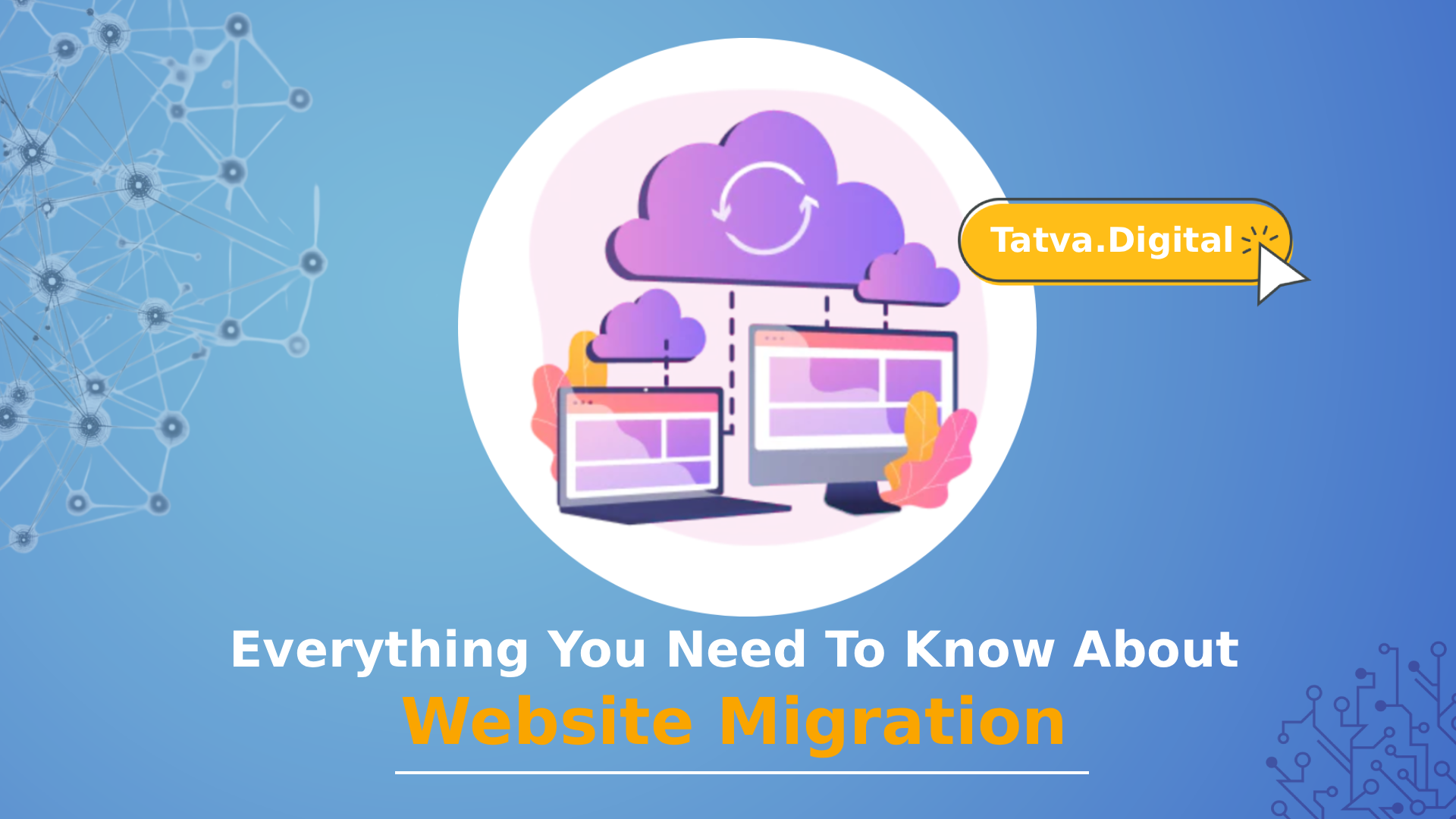
Everything You Need to Know About Website Migration

Everything you need to know about Website Migration

Everything You Need to Know About Website Migration Today, a website is not only an online presence—it is the very heart of a business’s identity and customer engagement. However, as technologies shift and businesses grow, websites need to drastically change in order to be relevant, secure, and scalable. This is what they call website migration.Unlike regular updates, migration entails platform-, technical-, or structural-level changes that can have a direct bearing on search rankings, website traffic, and user experience. Executed with proper strategy, it builds the strength of a brand’s online presence. Executed with poor planning, it can lead to lost traffic and downtime. This article is an authoritative, step-by-step guide to website migration, its types, advantages, disadvantages, best practices, and the role of SEO in ensuring a smooth switch-over. What is Website Migration? Website migration is the act of performing substantial alterations to a site that influence how it gets indexed by search engines and users experience it. Migration can include changes in domains, modifications in hosting providers, upgrade to new platforms, or restructure of design and content. Commom Scenarios of Migration Rebranding and domain change Moving to a more stable or quicker hosting provider Upgrading to a Modern CMS or eCommerce platforms Securing the site by migrating from HTTP to HTTPS Rebuilding for better usability and performance Consolidating multiple sites into one Why Website Migration Is Important Website migration isn’t simply a technical process—it’s a strategic move that defines the future of a company’s online existence. Major Reasons to Migrate a Website Performance Enhancement – Increased speed and reliability with enhanced hosting. Improved Security – HTTPS and enhanced security protocols. Scalability – Capacity to deal with increased traffic and enhanced features. User Experience – Simpler navigation and new designs. SEO Benefits – Chances to rearrange content for improved rankings. Platform Upgrades – Emphasis away from legacy systems. Forms of Website Migration Based on objectives, website migration may come in the following forms: Domain Migration – Changing from one domain name to a different one. Hosting Migration – Relocation to new or improved hosting services. Platform Migration – Replacing the CMS or framework (e.g., Joomla to WordPress). Design Migration – Completely redesigning the look and feel of the website. Content Migration – Copying text, images, and media. Protocol Migration (HTTP → HTTPS) – Enabling secure browsing. Structural Migration – Redesigning navigation or website structure. Advantages of an Effectively Conducted Migration When properly planned, website migration has several advantages: Minimal downtime for users Retain search engine rankings Improved site speed and performance Improved security layers Enhanced user experience via improved design Long-term scalability Challenges of Website Migration While website migration has advantages, it also has risks: Risk of SEO rankings loss through faulty redirects Temporary downtime in case of improper migration Loss of data without secure backups Frozen links disrupting user navigation Technical failures due to compatibility problems These are reasons why careful planning and professional help are a must. Best Practices for Website Migration For successful execution, some practices must be strictly adhered to: Pre-Migration Planning Audit the existing website comprehensively Establish goals and produce a step-by-step guide Backup files and databases SEO Strategy Redirect old URLs to new URLs using 301 redirects Preserve meta descriptions, titles, and structured data Refresh and resubmit sitemaps Technical Execution Test using a staging environment Test functionality on multiple devices and browsers Monitor server and hosting performance Content Verification Test that all pages, images, and internal links transfer properly Check navigation and formatting Post-Migration Monitoring Monitor traffic and keyword performance Watch indexing via Google Search Console Fix errors or broken links instantly The Role of SEO in Website Migration SEO is a very important part of migration. In the absence of a solid SEO strategy, companies can lose years of ranking value. Key SEO Considerations Maintain URL structures as much as possible Use 301 redirects for any shifts Update internal linking to align with new structures Watch crawl errors and fix them instantly Submit revised XML sitemaps to search engines Why Professional Expertise Matters Migration of websites tends to be intricate, with various layers of technical work and SEO requirements. Smaller changes may be done internally, but larger migrations are helped by professional expertise to prevent downtime, data loss, and ranking problems. Experts use guided processes, make secure transfers, practice best methods, and offer monitoring following the migration process. This minimizes risks and guarantees a seamless migration. Conclusion Website migration is not merely a technical change—it is a tactical decision that will govern the future success of a company’s online presence. By executing with care, protecting SEO, and employing best practices, companies can move their websites smoothly without sacrificing performance and visibility. Whether it is a matter of shifting domains, platform upgrades, or revamping site structures, website migration always has to be done with precision and caution. Proper planning and execution can unlock new levels of growth, scalability, and sustainable online success.

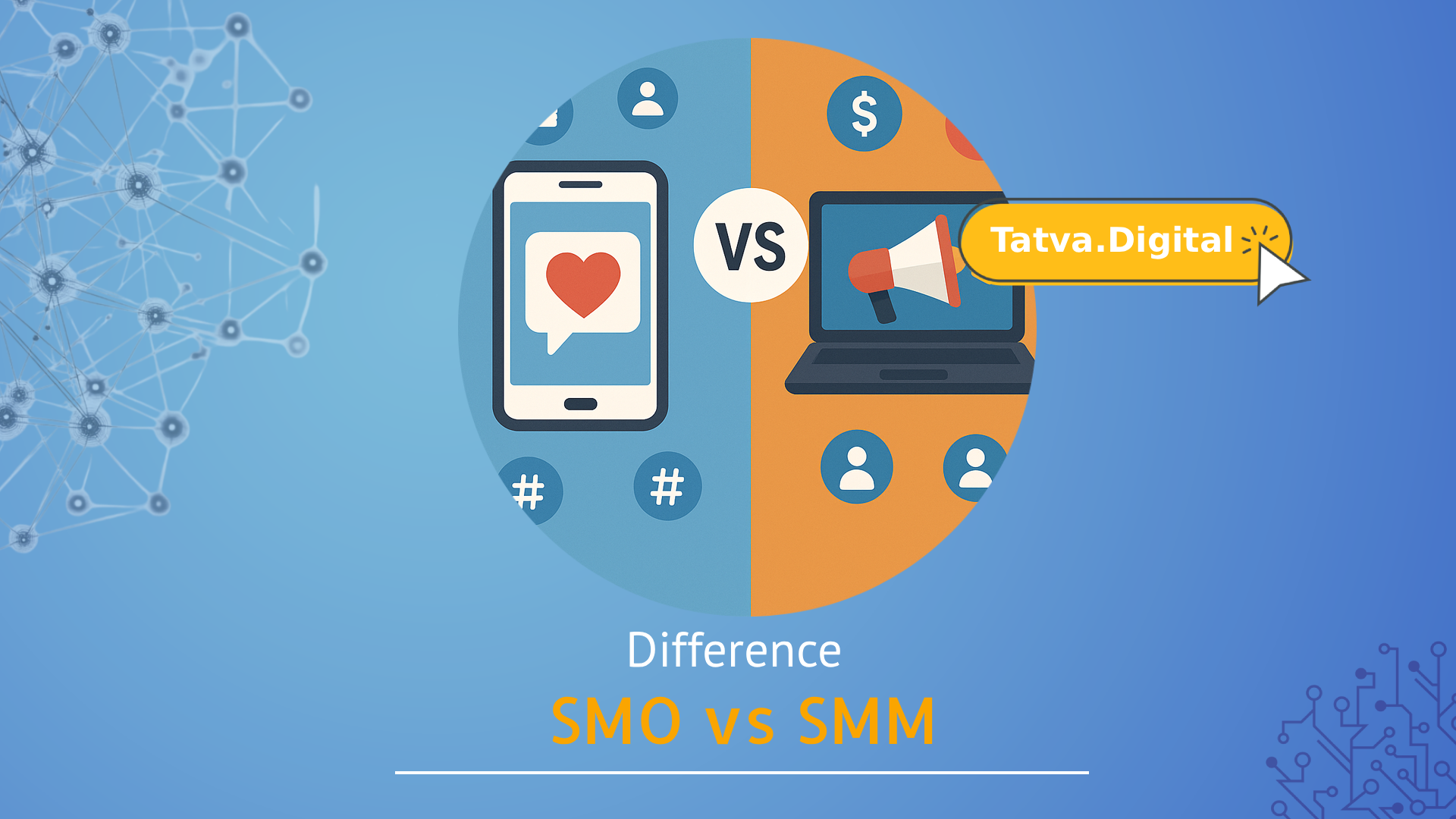
SMO vs SMM: Difference

SMO vs SMM: Difference Social media has transformed the way businesses connect with their customers. With billions of active users across platforms like Facebook, Instagram, LinkedIn, YouTube, and TikTok, social media has become more than just a communication tool—it’s now a powerful marketing channel. But when it comes to building a brand online, many businesses often confuse Social Media Marketing (SMM) with Social Media Optimization (SMO). While both terms sound similar, they serve very different purposes. At Tatvatech Digital, we often meet clients who ask, “Should I focus more on social media marketing or optimization?” The truth is, both play crucial roles in digital success. This blog will break down the differences between SMM and SMO, explain why businesses need both, and highlight how our services help brands grow effectively through social media. What is Social Media Marketing (SMM)? Social Media Marketing (SMM) is the process of promoting products, services, or brand messages through social media platforms using paid and organic methods. The main goal is to reach a targeted audience and encourage specific actions such as website visits, lead generation, or sales. Key Characteristics of SMM Campaign-Oriented – Every activity is tied to a goal (sales, awareness, engagement). Paid Focus – Uses ads, sponsored content, and influencer collaborations. Data-Driven – Measured with metrics like CPC, CTR, impressions, and ROI. Short-Term Impact – Generates quick visibility and results. Examples of SMM A fashion brand running Instagram ads to launch a new collection. A SaaS company targeting LinkedIn users with free trial promotions. A restaurant using Facebook ads to share limited-time offers. What is Social Media Optimization (SMO)? Social Media Optimization (SMO) is about improving your brand’s organic presence on social platforms by optimizing content, profiles, and engagement strategies. Instead of focusing on paid campaigns, SMO ensures your brand looks professional, searchable, and engaging. Key Characteristics of SMO Profile Optimization – Using keywords, branded visuals, and updated information. Content Strategy – Publishing consistent, value-driven, and shareable posts. Community Engagement – Responding to comments, encouraging discussions, and building trust. Long-Term Growth – Focuses on sustainable organic reach. Examples of SMO Updating your Instagram bio with industry-specific keywords and call-to-action links. Creating polls, Q&A sessions, and shareable content to boost engagement. Consistently posting on LinkedIn to position your brand as a thought leader. SMM vs SMO Comparison SMM vs SMO Comparison # Aspect Social Media Marketing (SMM) Social Media Optimization (SMO) 1 Definition Use of paid and organic campaigns to market products/services. Refining social presence for improved organic reach and trust. 2 Approach Advertising-focused, campaign-driven. Content- and profile-focused, engagement-driven. 3 Cost Requires advertising budgets and campaign spending. Primarily free, requires strategic consistency. 4 Objective Increase conversions, traffic, and ROI. Build brand trust, authority, and long-term engagement. 5 Timeframe Delivers immediate visibility. Long-term results through consistent optimization. Why Businesses Need Both To achieve measurable and sustainable success, businesses require a balance of SMM and SMO. SMM provides visibility through targeted campaigns. SMO establishes trust with well-optimized and engaging profiles. SMM drives immediate conversions, while SMO nurtures long-term loyalty. SMM secures instant exposure, but SMO sustains relevance over time. Together, they deliver holistic growth, creating both impact and longevity. At Tatvatech Digital, we ensure our clients benefit from this synergy by integrating structured paid campaigns with comprehensive optimization strategies. Techniques of Social Media Marketing (SMM) Paid Advertisements – Targeted campaigns across platforms to expand reach. Influencer Partnerships—Leveraging industry influencers for credibility. Sponsored Promotions – Boosting high-performing posts for visibility. Retargeting Campaigns – Re-engaging users who previously interacted with the brand. Engagement Campaigns – Contests, polls, and interactive campaigns to foster participation. Techniques of Social Media Optimization (SMO) Profile Optimization – Structuring bios, visuals, and CTAs to align with brand positioning. Consistent Content Strategy – Maintaining a planned posting schedule. Hashtag and Keyword Integration – Increasing discoverability through strategic tagging. Active Engagement – Prompt responses to customer queries and comments. Cross-Platform Integration – Sharing and repurposing content across multiple channels. Benefits of Social Media Marketing (SMM) Immediate Visibility – Ensures fast recognition and outreach. Target Precision – Reaches audiences based on location, interests, and demographics. Revenue-Oriented – Focused on generating measurable leads and sales. Performance Analytics – Campaign effectiveness can be tracked in real time. Benefits of Social Media Optimization (SMO) Cost-Efficient – Reduces dependence on advertising expenditure. Brand Credibility – Builds authority through authentic engagement. Sustainable Reach – Creates consistent organic visibility. SEO Alignment – Enhances digital presence by supporting search rankings. How Tatvatech Digital Assists with SMM & SMO As a leading digital marketing agency, Tatvatech Digital empowers organizations to achieve both short-term wins and long-term growth through comprehensive SMM and SMO solutions. Our Social Media Marketing Services: Tailored advertising campaigns for lead generation and sales. Creative content development designed for maximum impact. Data-driven audience targeting and ROI measurement. Our Social Media Optimization Services: Complete profile and content optimization across all major platforms. Content calendars and engagement strategies for brand consistency. Community management to build meaningful connections with customers. By integrating these strategies, we provide businesses with a complete framework for business growth through social media. Challenges & Best Practices Common Challenges in SMM High competition for ad visibility. Continuous budget allocation required. Diminishing engagement due to repetitive campaigns. Common Challenges in SMO Results often take longer to materialize. Platform algorithm changes may impact organic reach. Requires ongoing innovation and consistency. Best Practices for Success Establish a strong organic foundation (SMO) before investing in ads (SMM). Balance paid campaigns with optimization to ensure sustained impact. Continuously analyze performance data to refine strategies. Maintain brand consistency across all channels. Case Study Illustration Consider an emerging e-commerce brand specializing in sustainable products: Through SMO, the company optimizes its Instagram and LinkedIn profiles, publishes eco-friendly educational content, and engages with communities focused on sustainability.Through SMM, it runs targeted ad campaigns on Facebook and Instagram to attract conscious buyers. The combination delivers both instant recognition and long-term customer loyalty—a strategy consistently applied by Tatvatech Digital for its clients. Future of SMM & SMO Artificial Intelligence in Targeting … Read more